 June 2024 in “British Journal of Dermatology”
 In this case study, a 46-year-old post-transplant woman with poorly controlled diabetes exhibited a rare acquired form of epidermodysplasia verruciformis associated with HPV-49, marked by unique histological findings that distinguishing it from trichodysplasia spinulosa.
April 2018 in “The journal of investigative dermatology/Journal of investigative dermatology” This commentary discusses the crucial role of the alternative splicing factor Esrp1 in maintaining skin barrier function and its association with skin diseases like atopic dermatitis and psoriasis, but reports no new clinical results.
September 2025 in “Institutional Repositories DataBase (IRDB)” November 2020 in “UNC Libraries” In this study, researchers identified seven new genetic loci associated with prostate cancer susceptibility through a multi-stage genome-wide association study.
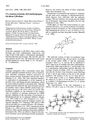 December 1998 in “Acta Crystallographica Section C-crystal Structure Communications”
 This study describes the molecular conformation and intermolecular interactions in the crystalline structure of the compound C24H31BrO4.
61 citations
,
August 1993 in “PubMed” This study found that solid basal cell epitheliomas and the outer root sheath of human hair follicles display nearly identical cytokeratin profiles, suggesting a potential origin connection.
 32 citations
,
January 2012 in “International Journal of Dermatology”
32 citations
,
January 2012 in “International Journal of Dermatology” This study reported that the most common skin side effect of epidermal growth factor receptor inhibitors was a papulopustular rash, treatable with symptom-targeted therapies, while drug suspension was rarely needed.
 June 2026 in “Zenodo (CERN European Organization for Nuclear Research)”
 This research outlines an innovative bioregeneration chamber aimed at significantly extending human lifespan and enhancing health maintenance by treating the body as a thermodynamic system, potentially enabling an average lifespan of 130 to 150 years in an advanced therapeutic setting.
48 citations
,
February 2010 in “Molecular biology reports” This study found that KAP7.1 and KAP8.2 genes were significantly more expressed in secondary hair follicles than primary follicles, suggesting their role in regulating cashmere fiber diameter.
 9 citations
,
January 2017 in “Virchows Archiv”
9 citations
,
January 2017 in “Virchows Archiv” This study documented distinct expression patterns of stem cell markers LGR5 and LGR6 in various human skin tumors, highlighting differences in their potential roles and contributions to tumor development.
56 citations
,
April 2019 in “The Plant Journal” This study found that CNGC 6, CNGC 9, and CNGC 14 are crucial for maintaining calcium oscillations necessary for normal root hair growth in plants, with mutations leading to defects like swelling and bursting.
 March 2010 in “Ejc Supplements”
 This review discusses the paradoxical effects of valproic acid on hair, noting that it can both cause alopecia and stimulate hair growth, but reports no new experimental findings.
 5 citations
,
September 2015 in “BMC Medical Genetics”
5 citations
,
September 2015 in “BMC Medical Genetics” In this study, individuals with a c.1072C > T mutation in the EDAR gene showed more hair shaft deformations compared to non-mutation carriers, highlighting EDAR's role in hair follicle development.
November 2025 in “Journal of Investigative Dermatology” A new genetic mutation causing Xeroderma Pigmentosum was found in an 8-year-old girl, affecting her DNA repair.
89 citations
,
May 2005 in “Stem Cells” This study found that keratinocyte stem cells in mouse skin are closely related to side population or BCRP1-positive cells based on their localization and marker expression.
22 citations
,
March 2017 in “Journal of the Formosan Medical Association” This report presents the Taiwanese Dermatological Association's 2016 consensus on defining and managing skin toxicities from EGFR-TKI treatments, providing comprehensive guidelines for clinicians in Taiwan.
July 2025 in “Carbohydrate Polymers” This study investigated the extracellular polysaccharides from the edible green alga Parachlorella sp. BX1.5, finding that they have potential applications in cosmetics and health products due to their stability, antioxidant properties, and effects on hair growth in mice.
 June 2023 in “British Journal of Dermatology”
 In this case report, researchers described a female child with total alopecia due to a mutation in the SNRPE gene, emphasizing the need for updated genetic testing as knowledge advances to avoid diagnostic delays in hereditary nonsyndromic hypotrichosis.
September 2022 in “Journal of Cosmetic Dermatology” This article discusses the efficacy of different derma roller sizes compared to topical applications for administering QR678 Neo® in treating androgenetic alopecia, but provides no new clinical results.
 April 2022 in “Research Square (Research Square)”
 This study established the R-7 dermal papilla cell line, which retained essential characteristics of primary cells without undergoing malignant transformation, suggesting its potential for future hair research.
 November 2022 in “Journal of Investigative Dermatology”
 This study identified 15 Iranian patients with PLEC variants linked to various plectinopathies and highlighted a novel association between a homozygous nonsense variant in PLEC and a rare combination of disorders including EB pruriginosa, muscular dystrophy, and congenital myasthenic syndrome.
12 citations
,
January 2000 in “Biochemical and Biophysical Research Communications” This study characterized the intron-exon organization of human keratin 15 and keratin 19 genes to aid future mutation detection analyses related to potential genetic disorders of keratinization.
 September 2023 in “Plant journal”
 This study showed that the zinc finger protein GIS3 is important for root hair growth in Arabidopsis by regulating RHD2 and RHD4 genes, with application of ethylene and cytokinin helping restore root hair presence in mutated variants.
May 2026 in “Journal of Medicinal Chemistry” In this study, the authors developed a novel PROTAC named dAR-6–1, which demonstrated superior hair regeneration in an AGA mouse model compared to minoxidil, highlighting its promise as a therapy due to potent AR degradation and excellent skin permeability.
2 citations
,
February 2012 in “PubMed” This study found that Gp₄G increased hair length, papilla cell numbers, and versican deposition in treated animals, potentially through alterations in hair follicle phases and nucleotide concentrations.
53 citations
,
January 2012 in “Developmental Biology” EGFR signaling is essential for ear cell regeneration in both birds and mammals.
 November 2023 in “The journal of investigative dermatology/Journal of investigative dermatology”
 This study found that engineered high-affinity soluble CD200R agonists, including ARQ-234, showed superior efficacy in reducing immune responses in various preclinical models of inflammatory conditions, suggesting potential as a therapeutic for atopic dermatitis and other related diseases.
114 citations
,
September 1985 in “Journal of Investigative Dermatology” This study found that the proteins Par3, mInsc, and Gαi3 cooperate to regulate LGN polarization and promote perpendicular cell divisions during murine epidermal morphogenesis.
 19 citations
,
December 2015 in “European Journal of Human Genetics”
19 citations
,
December 2015 in “European Journal of Human Genetics” This study found that a novel rare variant in ITGB6 may cause intellectual disability, alopecia, and dentogingival anomalies in a specific Pakistani family, highlighting a potential role for ITGB6 beyond enamel formation.