 1 citations
,
April 2018 in “Journal of Investigative Dermatology”
1 citations
,
April 2018 in “Journal of Investigative Dermatology” In this study, OEA was found to significantly enhance sebaceous lipogenesis and potentially reduce inflammation in human sebocytes, suggesting it as a promising candidate for treating skin dryness.
 9 citations
,
March 2023 in “Biomimetics”
9 citations
,
March 2023 in “Biomimetics” This review discusses current strategies and materials in tissue engineering for skin regeneration, emphasizing design approaches and suggesting directions for future research; it reports no new clinical findings.
4 citations
,
July 2025 in “Cosmetics” This review discusses the potential of olive mill wastewater as a valuable source of dermatological ingredients, highlighting its antioxidant and anti-inflammatory properties, but reports no new clinical results.
April 2026 in “Stem Cell Reviews and Reports” This review discusses the cutaneous symptoms associated with various endocrine disorders and outlines treatment approaches but reports no new research findings.
 November 2020 in “bioRxiv (Cold Spring Harbor Laboratory)”
 The study found that dermal EZH2 plays a crucial role in coordinating dermal fibroblast differentiation and epidermal development by modulating Wnt/β-catenin and retinoic acid signaling.
 1 citations
,
December 2013 in “Turkderm”
1 citations
,
December 2013 in “Turkderm” This article discusses the increasing use of plant and plant extracts during pregnancy and lactation, highlighting user perceptions of their benefits and safety but does not present new research findings.
 12 citations
,
March 2021 in “Molecules”
12 citations
,
March 2021 in “Molecules” This study found that a cedrol nanoemulsion improved hair growth and bioavailability compared to an ointment, demonstrating enhanced efficacy in vitro and in vivo.
January 2025 in “Repository of Digital Objects for Teaching Research and Culture (University of Valencia)” This chapter emphasizes that ethical behavior and leadership are crucial for organizations to sustain long-term success and maintain positive relationships with stakeholders, transcending merely legal compliance.
January 2007 in “Zhōnghuá yàoxué zázhì” This study concluded that two exemestane preparations are bioequivalent, using a high-performance liquid chromatographic mass spectrometric method to measure concentrations in human plasma.
The document corrects a mistake by stating that pimecrolimus, not tacrolimus, is the drug that concentrates in the skin.
 March 2026 in “Research Square”
 This study developed a novel regenerative platform using nanozyme-enabled materials combined with exosomes and laser stimulation to enhance wound healing in a mouse model, which more effectively regulated reactive oxygen species and improved early angiogenesis and collagen organization compared to conventional methods.
4 citations
,
May 2022 in “International journal of molecular sciences” This study found that heat-killed Enterococcus faecalis EF-2001 promoted hair regrowth in mice, likely by increasing the expression of growth factors and marker genes.
45 citations
,
January 2021 in “Drug Delivery” In this study, researchers developed a biomimetic anti-inflammatory nanosystem (MM-CEP/NLCs) that significantly reduced the severity of acute lung injury in vivo by targeting and accumulating in lung inflammation sites, showcasing its potential for treating inflammation.
 45 citations
,
December 1991 in “Annals of the New York Academy of Sciences”
45 citations
,
December 1991 in “Annals of the New York Academy of Sciences” This article discusses the distribution of extracellular matrix molecules in human hair follicles and reports no new results.
 March 2026 in “Zenodo (CERN European Organization for Nuclear Research)”
 This publication presents a library of geometric medicines designed to selectively target pathogenic bacteria and fungi with high precision while minimizing ecological harm, available for free on a non-commercial basis.
 March 2026 in “Molecular and Cellular Biomedical Sciences”
 This study found that exosomes derived from hypoxia-conditioned mesenchymal stem cells modulated inflammatory biomarkers by decreasing CXCL12 and increasing IL-10 expression in a DHT-induced androgenic alopecia mouse model, indicating potential for treating hair loss through immunoregulation.
7 citations
,
March 2025 in “Aesthetic Plastic Surgery” October 2024 in “Developmental Dynamics” This paper highlights advances in Developmental Dynamics, noting how epoa-deficient zebrafish can model Diamond-Blackfan anemia like disorders for drug screening, Alx4 mouse models offer insights into craniofacial development, and mTORC1 signaling is crucial for retinal development.
14 citations
,
May 2008 in “Journal of Visualized Experiments” This article details a protocol for isolating and culturing embryonic neural crest stem cells from the whisker follicles of adult mice.
 14 citations
,
December 2007 in “Pediatric allergy and immunology”
14 citations
,
December 2007 in “Pediatric allergy and immunology” In this study, researchers found that mast cells in Erythema Toxicum lesions in newborns are actively involved in the immune response around hair follicles, but do not express the antimicrobial peptide LL-37.
January 2016 in “mediaTUM – the media and publications repository of the Technical University Munich (Technical University Munich)” This thesis presents a new scientific approach using specific models to gain insights into psoriasis and eczema, highlighting a molecular classifier that improves diagnostic accuracy and predicts therapeutic response for these conditions.
 January 2026 in “Lithuanian University of Health Sciences”
 This study reported that gels containing methyl cellulose exhibited the highest consistency factor and optimal homogeneity compared to those made with hydroxypropyl cellulose or its combination with pullulan, indicating the significant impact of gelling agents on gel properties.
 4 citations
,
January 1994 in “Yakugaku zasshi”
4 citations
,
January 1994 in “Yakugaku zasshi” In this study, EPC-K, a compound with antioxidant and moisturizing effects, was found to decompose significantly under certain conditions, impacting its stability in quasi drug hair-growing products.
January 2026 in “China CDC Weekly” This study explored using large language models to automatically identify monkeypox cases from electronic medical records, finding that models based on DeepSeek features performed better than traditional methods, with logistic regression showing high accuracy in detecting key symptoms like fever and rash.
 6 citations
,
June 2008 in “Journal of the European Academy of Dermatology and Venereology”
6 citations
,
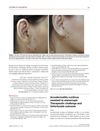
June 2008 in “Journal of the European Academy of Dermatology and Venereology” This paper discusses a case of acrodermatitis continua that was resistant to treatment with etanercept, highlighting the therapeutic challenges faced, but reports no new research results.
7 citations
,
March 2024 in “Biomedical Engineering Letters” July 2023 in “Clinical Cosmetic and Investigational Dermatology” In this case report, a 64-year-old Thai woman with a history of misdiagnosed eczema or folliculitis was ultimately found to have granular parakeratosis of the eccrine ostium, leading to significant symptom improvement once accurately diagnosed and advised to avoid excessive heat and moisture.
 56 citations
,
August 2019 in “Clinical, Cosmetic and Investigational Dermatology”
56 citations
,
August 2019 in “Clinical, Cosmetic and Investigational Dermatology” This essay discusses telogen effluvium, the issues surrounding its diagnosis and differentiation from other forms of hair loss, and emphasizes the need for empathetic patient care; it reports no new clinical findings.
June 2017 in “Journal of the American Academy of Dermatology” The new cream is safe and effective for mild to moderate atopic dermatitis.