 5 citations
,
January 2021 in “iScience”
5 citations
,
January 2021 in “iScience” Using a combination of specific cell cycle regulators is better for safely keeping hair root cells alive indefinitely compared to cancer-related methods.
November 2024 in “Journal of Investigative Dermatology” July 2025 in “Journal of Investigative Dermatology” Discoid lupus erythematosus involves immune activation and fibrosis around hair follicles, with shared pathways across humans, dogs, and mice, suggesting potential treatments for both humans and animals.
 43 citations
,
December 2008 in “Molecular biology of the cell”
43 citations
,
December 2008 in “Molecular biology of the cell” This study found that disrupting Smad4 signaling in young mice led to overactivation of follicle stem cells, causing hyperplasia and depletion of the stem cell niche.
 November 2020 in “bioRxiv (Cold Spring Harbor Laboratory)”
 The study found that dermal EZH2 plays a crucial role in coordinating dermal fibroblast differentiation and epidermal development by modulating Wnt/β-catenin and retinoic acid signaling.
July 2026 in “Theranostics” This study developed a novel ferritin-based delivery system (LR@Fn) that effectively co-delivers RG108 and LLY283 for hearing loss treatment in animal models, reducing hair cell loss and synaptic damage more effectively than dexamethasone.
January 2018 in “VCU Scholars Compass (Virginia Commonwealth University)” In this study using Xenopus laevis embryos, reduced levels of the desmosomal protein desmoplakin led to defects in epidermal and cardiac structures, suggesting its crucial role in tissue integrity.
 January 2025 in “Iraqi Journal of Science”
 This study found that variations in the genes PDCD4, miR-21, and miR-449b may significantly influence breast cancer progression, with higher PDCD4 serum levels linked to increased breastfeeding.

This study found that sFRP4 inhibits but does not block hair follicle regeneration in mice, suggesting a potential role in treating hair follicle regeneration disorders.
33 citations
,
August 2000 in “Experimental Cell Research” 34 citations
,
July 2006 in “The Journal of Comparative Neurology” This study found that overexpression of neurotrophin 4 in mouse skin increased hair follicle and Meissner corpuscle innervation without altering sensory neuron numbers, differing from brain-derived neurotrophic factor by not affecting Merkel cell numbers.
1 citations
,
November 2022 in “Journal of Investigative Dermatology” This study found that ALRN-6924, a clinical-stage dual inhibitor, can selectively protect human scalp hair follicles from paclitaxel-induced toxicity and damage by inducing transient cell cycle arrest in healthy cells without affecting cancer cells, potentially reducing chemotherapy-induced alopecia.
75 citations
,
July 2016 in “New phytologist” This study found that RSL4 in Arabidopsis thaliana regulates genes necessary for root hair elongation by controlling proteins involved in cell signaling, cell wall modification, and secretion.
47 citations
,
September 2012 in “Human molecular genetics online/Human molecular genetics” This study suggests that the interaction between folliculin and plakophilin-4 (p0071) may play a role in folliculin's tumor suppressor function by regulating RhoA signaling, impacting cell migration and junction formation.
 7 citations
,
May 2019 in “European Journal of Human Genetics”
7 citations
,
May 2019 in “European Journal of Human Genetics” This study describes three new cases of MCOPS6 with BMP4 variants, noting expanded phenotypic variability but no clinically apparent microphthalmia in these individuals, which is commonly reported in the disorder.
 1 citations
,
November 2022 in “Burns & Trauma”
1 citations
,
November 2022 in “Burns & Trauma” In this study, researchers found that Wnt4 overexpression increased the thickness of burn wounds by promoting epidermal cell migration and activating the canonical Wnt signaling pathway.
 June 2026 in “Research Square”
 This study identified a group of dermal fibroblasts near hair follicle stem cells in mice that facilitate hair regeneration by creating a biomechanically compliant extracellular matrix, enhancing stem cell activation and promoting a positive feedback loop for tissue regeneration.
 July 2013 in “Science-business Exchange”
 In this study, Sept4 knockout mice showed improved wound healing and hair follicle regeneration compared to wild-type controls, suggesting potential therapeutic uses for SEPT4 inhibition.
39 citations
,
August 1998 in “FEBS Letters” In this study, researchers identified two novel peptidylarginine deiminases from treated rat keratinocytes, both showing enzyme activity with PAD‐R11 reflecting a characteristic of epidermal enzymes.
65 citations
,
July 1984 in “Journal of Investigative Dermatology”  68 citations
,
July 2011 in “Journal of Biochemistry/The journal of biochemistry”
68 citations
,
July 2011 in “Journal of Biochemistry/The journal of biochemistry” This review discusses newly identified non-Edg family lysophosphatidic acid receptors, detailing their roles in vascular development, platelet activation, and hair growth, and reports no clinical results.
 August 2025 in “International Journal of Contemporary Pediatrics”
 This case report presents a rare subtype of hypomyelinating leukodystrophy linked to a PYCR2 gene mutation, emphasizing exome sequencing's value in diagnosing undiagnosed childhood HLDs with atypical symptoms.
5 citations
,
March 2012 in “Journal of Investigative Dermatology” In their mouse study, Oda et al. found that removing the MED1 gene in the skin led to hair loss and changes in epidermal cell differentiation, indicating MED1's significant role in these processes.
54 citations
,
October 2007 in “The FASEB Journal” This study suggests that hairlessness in nude mice may be due to insufficient expression of phospholipase C-δ1, a molecule essential for normal hair development downstream of the Foxn1 gene.
48 citations
,
June 2000 in “Japanese Journal of Cancer Research” This study found that dimethylarsinic acid significantly accelerates skin tumor development in hair follicle-targeted K6/ODC transgenic mice.
4 citations
,
January 2025 in “The Journal of Cell Biology” This study found that deleting ceramide synthase 4 in skin epidermis stem cells disrupts hair follicle and skin barrier function, leading to immune responses similar to atopic dermatitis, due to imbalances in lipid composition affecting differentiation.
 1 citations
,
June 2022 in “Chinese medical journal/Chinese Medical Journal”
1 citations
,
June 2022 in “Chinese medical journal/Chinese Medical Journal” This study identified two novel mutations in the CDH3 gene causing HJMD in a Chinese patient, expanding the genetic and phenotypic understanding of the disorder.
 April 2016 in “Journal of Investigative Dermatology”
 This study reported that the absence of Lsh in skin led to significant epidermal hyperplasia and altered gene expression, suggesting its crucial role in regulating epidermal proliferation, differentiation, and wound healing.
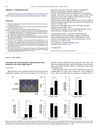 11 citations
,
June 2012 in “Journal of Dermatological Science”
11 citations
,
June 2012 in “Journal of Dermatological Science” This article reviews how aging affects skin and stem cells, but it contains no new research findings.
This study presents the G4 transgenic mouse model, which suggests a direct link between polycystic ovary syndrome and the Gm10800 gene, offering a valuable tool for understanding the disease and testing treatments.