 April 2026 in “Zenodo (CERN European Organization for Nuclear Research)”
 This study examines how conditions like PSSD, Long COVID, and ME/CFS form a "Post-Exposure Syndromes" family, initiated by transient exposures but persisting due to complex state-space dynamics, and suggests improving pharmacovigilance to better address and understand these persistent syndromes.
 14 citations
,
July 1987 in “Contact Dermatitis”
14 citations
,
July 1987 in “Contact Dermatitis” This article lacks an abstract and presents no new findings, primarily discussing topical minoxidil sensitization in androgenic alopecia.
22 citations
,
March 1999 in “International Journal of Clinical Practice” This review discusses the use of topical immunotherapy for severe alopecia areata and resistant viral warts, highlighting diphencyprone's advantages and the need for careful handling to avoid staff sensitisation; it reports no new clinical results.
 9 citations
,
March 1968 in “The BMJ”
9 citations
,
March 1968 in “The BMJ” In their 1957 study, Neuman and Neuman suggested that magnesium deficiency may inhibit the ion exchange process required for calcium ions to enter extracellular fluid, potentially affecting calcium mobilization.
January 2011 in “Repository KITopen (Karlsruhe Institute of Technology)” This study suggests that contact sensitizers may treat alopecia areata by expanding suppressor cells and interfering with antigen presentation to lymphocytes.
63 citations
,
February 2010 in “Journal of Neurophysiology” This study observed that electrical stimulation of specific mechanoreceptive afferents in the orofacial region can evoke sensations consistent with their response properties, while others may require multiple afferents to access perceptual levels.
13 citations
,
December 2010 in “Pharmacology Biochemistry and Behavior” Inhibiting certain enzymes made female rats more sensitive to low-level pain.
April 2023 in “Journal of Investigative Dermatology” In this study, trypsin digestion was found to be a faster and more efficient method than the explant technique for extracting bulge-derived keratinocytes from adult scalp biopsies.
In this study, researchers found that the bioactive lipid sphingosine 1-phosphate and its receptor, S1PR3, are essential for regulating mechanical pain sensitivity in mice.
 16 citations
,
December 2012 in “The Clinical Journal of Pain”
16 citations
,
December 2012 in “The Clinical Journal of Pain” This study found that trichodynia is associated with both peripheral and central sensitization, potentially linked to hair cycle abnormalities and chronic pain through proinflammatory agents.
July 2024 in “Journal of Investigative Dermatology” Substance P helps restore skin thickness and cell renewal when sensory nerves are reduced.
140 citations
,
February 2014 in “Neuron” This study found that the opioid system, particularly via the delta opioid receptor, broadly regulates cutaneous mechanosensation, including touch, and suggests targeting this receptor could alleviate injury-induced mechanical hypersensitivity.
1 citations
,
November 2021 in “Journal of General and Family Medicine” In this case report, discontinuing finasteride improved a facial rash potentially caused by drug-induced photosensitivity.
15 citations
,
June 2015 in “F1000Research” This study examined immune responses to Diphencyprone and found that its induced skin reactions have higher levels of negative immune regulators compared to psoriasis, suggesting differences in immune regulation may contribute to psoriasis chronicity.
1 citations
,
May 2022 in “European Journal of Dermatology” This study found that while no predictive factors for response to vismodegib were identified, longer treatment duration was associated with a lower risk of relapse in basal cell carcinoma patients.
 April 2023 in “Journal of Investigative Dermatology”
 This study found that patients with Stevens-Johnson syndrome and toxic epidermal necrolysis exhibit lower levels and activity of DNase1, impairing NET degradation, and suggests DNase1 administration as a potential treatment.
 July 2025 in “Archives of Toxicology”
 The study introduced an advanced skin model, ImmuSkin-MT, which effectively distinguished between different strengths of skin sensitizers by mimicking the interaction of immune cells in skin tissue.
 63 citations
,
March 1998 in “Archives of Dermatology”
63 citations
,
March 1998 in “Archives of Dermatology” This study describes a new condition called scalp dysesthesia in 11 women, most of whom experienced symptom improvement with low-dose antidepressants.
7 citations
,
March 2024 in “Journal of Neuroendocrinology” In this study, researchers found that both direct and witnessed trauma in mice are associated with reduced levels of the neurosteroid allopregnanolone, potentially influencing PTSD outcomes, and that treatment with synthetic neurosteroids may mitigate fear responses linked to observed trauma.
October 1933 in “Experimental Biology and Medicine” In this study, subcutaneous injections of epinephrine in rats led to skin changes ranging from hair loss to necrosis, suggesting these effects were due to the epinephrine itself.
 March 2026 in “Indian Dermatology Online Journal”
 This report details a case study where a 40-year-old woman experienced allergic contact dermatitis and angioedema-like symptoms after using PPD-containing hair dye. Patch testing confirmed a positive reaction to PPD, highlighting the substance's potential to cause both T-cell and IgE-mediated hypersensitivity reactions.
 July 2023 in “bioRxiv (Cold Spring Harbor Laboratory)”
 In this study, researchers found that both direct and witnessed trauma in mice were linked to lower levels of the neurosteroid allopregnanolone, and that boosting neurosteroidogenesis may alleviate PTSD-like symptoms, suggesting potential treatment strategies for PTSD stemming from either trauma type.
33 citations
,
April 2003 in “Oncogene”  15 citations
,
October 1981 in “Archives of internal medicine”
15 citations
,
October 1981 in “Archives of internal medicine” Minoxidil can cause severe skin reactions like Stevens-Johnson syndrome in rare cases.
1 citations
,
January 1989 in “Carcinogenesis” This study found that dexamethasone treatment inhibited the inflammatory response and the induction of ornithine decarboxylase activity in mouse skin after TPA application, although the effect on ODC was weaker during the hyperplastic stage.
 February 2025 in “International Urology and Nephrology”
 In this study, mild improvements in erectile function, penile sensitivity, and nocturnal erections were observed in male patients with post-drug syndrome following a 16-week treatment targeting the peripheral nerves of the genitalia, but significant symptoms persisted, indicating further research is essential.
 5 citations
,
December 2011 in “Journal of Cosmetic Dermatology”
5 citations
,
December 2011 in “Journal of Cosmetic Dermatology” In this study, researchers found that patients who previously had hair restoration surgery by a different surgeon were more likely to experience postoperative hyperesthesia.
 31 citations
,
November 2016 in “Cell Reports”
31 citations
,
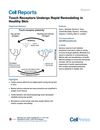
November 2016 in “Cell Reports” This study reveals that somatosensory neurons in mouse skin exhibit structural plasticity during hair-follicle regeneration, which may temporarily impair the reliability of encoding gentle touch.
April 2026 in “ENLIGHTEN (Jurnal Bimbingan dan Konseling Islam)” 21 citations
,
May 2014 in “Toxicological Sciences” This study found that skin exposure to toluene diisocyanate in mice creates immune-recognition reservoirs in the skin's stratum corneum and hair follicles, potentially leading to sensitization and allergic reactions.