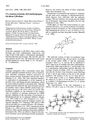
 December 1998 in “Acta Crystallographica Section C-crystal Structure Communications”
 This study describes the molecular conformation and intermolecular interactions in the crystalline structure of the compound C24H31BrO4.
1 citations
,
May 2013 in “Oncology Times” This narrative review reflects on the challenges faced by FDA's Oncologic Drugs Advisory Committee members, highlighting public pressure, decision-making complexity, and the evolving landscape of cancer drug development.
June 2024 in “Ecotoxicology and Environmental Safety” This study observed that chronic and acute exposure to finasteride negatively impacted development, reproduction, and gene expression in Daphnia magna, highlighting the environmental risks of this pharmaceutical for freshwater ecosystems.
 January 2024 in “Hair transplant forum international”
 This source describes the American Board of Hair Restoration Surgery's mission to set standards and evaluate skills in hair restoration surgery, but does not report any specific study results.
8 citations
,
December 2019 in “Molecular genetics and metabolism reports” This study found that early biochemical screening and molecular confirmation are crucial for distinguishing profound from partial biotinidase deficiency, which supports timely treatment and management in symptomatic children.
November 2025 in “Animals” In this study, hair samples from dogs with chronic degenerative valve disease showed significantly higher concentrations of certain endocrine-disrupting chemicals compared to healthy dogs, suggesting a potential link that warrants further investigation.
 4 citations
,
May 2018 in “BMC Musculoskeletal Disorders”
4 citations
,
May 2018 in “BMC Musculoskeletal Disorders” This study found that dutasteride is not associated with an increased risk of osteoporosis or fractures in older men compared to finasteride, suggesting dutasteride does not adversely affect bone health.
 August 2019 in “Journal of Invertebrate Pathology”
 This study observed that different alkaline buffers had a significant impact on the volume of liquid consumed by fall armyworm larvae, emphasizing the importance of measuring imbibed volumes to reduce dose errors in bioassays.
 1 citations
,
January 2020 in “Benha Journal of Applied Sciences”
1 citations
,
January 2020 in “Benha Journal of Applied Sciences” This study found that DEFB1 polymorphisms, specifically the rs1800972 CG and GG genotypes, may predict susceptibility to and severity of alopecia areata.
30 citations
,
April 2011 in “Rapid communications in mass spectrometry/RCM. Rapid communications in mass spectrometry” This study found that using hair steroid profiling, dutasteride treatment led to reduced dihydrotestosterone levels and DHT/testosterone ratio in patients with male-pattern baldness.
 1 citations
,
August 2021 in “Journal of The American Academy of Dermatology”
1 citations
,
August 2021 in “Journal of The American Academy of Dermatology” In this study, baricitinib treatment led to significant regrowth of scalp, eyebrow, and eyelash hair in alopecia areata patients compared to placebo, with higher effectiveness seen at the 4-mg dose.
July 2024 in “Journal of Investigative Dermatology” This study suggests that macrophages, especially CD206+ subsets, play a key role in hair growth induced by squaric acid dibutyl ester, a therapy used for alopecia areata.
166 citations
,
November 2008 in “Expert Review of Endocrinology & Metabolism” This review discusses biotin and biotinidase deficiencies, their symptoms, and methods of medical management, without presenting new clinical findings.
 2 citations
,
February 2004 in “Biopolymers”
2 citations
,
February 2004 in “Biopolymers” This study found that 4-(4-Phenoxybenzoyl)benzoic acid derivatives may act as antioxidants by scavenging certain reactive oxygen species but exhibit prooxidant behavior under specific conditions.
 January 2022 in “Asian journal of Current Research in Clinical Cancer”
 This study reviews the potential of dibenzo derivatives as safer cancer treatments but finds conflicting evidence about their effectiveness, possibly due to structural differences among the compounds, and reports no new results.
5 citations
,
June 2024 in “Phenomics”  4 citations
,
July 2012 in “Linguistic Annotation Workshop”
4 citations
,
July 2012 in “Linguistic Annotation Workshop” This study found that greater root surface area due to root hairs contributed to better growth and zinc uptake of wild-type barley compared to its root-hairless mutant in zinc-deficient soil.
 2 citations
,
January 2011 in “Clinical medicine insights”
2 citations
,
January 2011 in “Clinical medicine insights” The authors concluded that dutasteride is effective and generally safe for managing benign prostatic hyperplasia and may reduce prostate cancer risk.
 4 citations
,
September 2022 in “Journal of The American Academy of Dermatology”
4 citations
,
September 2022 in “Journal of The American Academy of Dermatology” This study examined phase 3 clinical trial data and found that baricitinib improves hair regrowth in adults with alopecia areata and significant scalp hair loss, with the response varying based on the severity of hair loss at the start of treatment.
 8 citations
,
January 2021 in “Pharmaceutics”
8 citations
,
January 2021 in “Pharmaceutics” This study found that using nanoporous silica entrapped lipid-drug complexes enhanced the solubility and bioavailability of dutasteride in beagle dogs.
 November 2005 in “The Journal of Urology”
 This paper discusses the effect of dutasteride on prostate cancer detection in men with benign prostatic hyperplasia but provides no new clinical results.
 January 2020 in “Química Nova”
 This study used Density Functional Theory-based computational methods to analyze finasteride's molecular properties, finding that the GGA/PW91 method closely matches experimental data for vibrational frequencies and geometric parameters.
1 citations
,
February 2025 in “Journal of the Neurological Sciences” This study suggests that BTP levels in cerebrospinal fluid might help diagnose CIDP and predict therapy response but require validation in larger cohorts.
 March 2024 in “EMBO molecular medicine”
 This study found that the antiviral drug daclatasvir significantly improved fibrosis and quality of life in a mouse model of recessive dystrophic epidermolysis bullosa, suggesting potential for treating this and other fibrotic diseases.
 January 2016 in “International journal of advanced research in chemical sciences”
 This study developed a new spectrophotometric method to accurately measure finasteride levels in pharmaceutical formulations using a reaction with NBD-CL.
February 2017 in “Cancer Research” In this study involving women undergoing taxane-based chemotherapy, a twice-daily topical application of BPM31543 was well-tolerated and showed potential in reducing severe hair loss, prompting further investigation at higher doses.
 2 citations
,
March 2012 in “JAMA”
2 citations
,
March 2012 in “JAMA” Early surgery reduces seizure risk in drug-resistant epilepsy; testosterone to DHT conversion doesn't affect muscle anabolism; veterans with PTSD likely to have riskier opioid use; bevacizumab helps in hereditary bleeding disorder.
 1 citations
,
July 2025 in “Frontiers in Endocrinology”
1 citations
,
July 2025 in “Frontiers in Endocrinology” This review discusses the dual role of apoptotic vesicles in disease and therapy, emphasizing their potential in cancer treatment and tissue regeneration, but reports no new results.
This thesis presents the development of the Breast Utility Instrument (BUI), a new tool for assessing health-related quality of life specifically in breast cancer patients.
 20 citations
,
June 2017 in “Hormone Molecular Biology and Clinical Investigation”
20 citations
,
June 2017 in “Hormone Molecular Biology and Clinical Investigation” This study found that long-term dutasteride therapy in men with benign prostatic hyperplasia worsened erectile dysfunction, reduced testosterone levels, and increased blood glucose and lipid profile, indicating negative metabolic impacts.