50 citations
,
September 2009 in “Molecular Genetics and Metabolism” This study identified a novel V26M mutation in the vitamin D receptor as the cause of hereditary vitamin D resistant rickets in a patient, characterized by severe rickets and an unusual pattern of alopecia.
May 2026 in “Chemical Engineering Journal” 12 citations
,
January 2016 in “Journal of clinical biochemistry and nutrition” In this study, combining deferasirox with sorafenib significantly reduced liver fibrosis and preneoplastic lesions in rats while also lessening adverse effects compared to sorafenib alone.
71 citations
,
October 2014 in “The Journal of Steroid Biochemistry and Molecular Biology” This study highlights the complex role of the vitamin D receptor in skin processes, where its disruption, along with calcium and co-regulator imbalances, could contribute to skin cancer development by altering skin differentiation and hair follicle cycling.
 January 2025 in “Recent Patents on Anti-Cancer Drug Discovery”
 In this study, neoadjuvant treatment with durvalumab combined with albumin-bound paclitaxel and carboplatin in patients with driver gene-negative stage III NSCLC showed a 65% objective response rate and was associated with high pathological response rates and improved immune function, with most adverse events being mild.
 1 citations
,
May 2018 in “The journal of investigative dermatology/Journal of investigative dermatology”
1 citations
,
May 2018 in “The journal of investigative dermatology/Journal of investigative dermatology” This meeting synopsis on the 66th Annual Montagna Symposium reports no new results but outlines discussions on precision dermatology, integrating molecular insights with clinical applications for personalized skin care.
 3 citations
,
March 2014 in “Journal of Industrial Microbiology & Biotechnology”
3 citations
,
March 2014 in “Journal of Industrial Microbiology & Biotechnology” This study identified a cytochrome P450 enzyme, CYP-pa1 from Pseudonocardia autotrophica, as responsible for the specific hydroxylation of cyclosporin A at the 9th N-methyl leucine, suggesting potential for biotechnological applications.
 June 2021 in “International Journal of Ayurveda and Pharma Research”
 This conceptual paper proposes evaluating the Ayurvedic formulation Moorvadi choornam for alleviating side effects of chemotherapy, including symptoms consistent with Garavisha lakshanas, but reports no clinical outcomes.
September 2025 in “International Journal of Molecular Sciences” This review reports on the potential for deucravacitinib, an oral TYK2 inhibitor approved for psoriasis, to treat various immune-mediated diseases, with emerging research suggesting possible uses in neurodegenerative diseases and certain cancers.

This thesis found that desmoplakin mutations in cardiocutaneous syndrome are linked to dose-dependent disease severity and identified mechanisms by which KLHL24 mutations cause cardiomyopathy, with rescue experiments successfully preventing this phenotype in patient-derived heart tissues.
3 citations
,
March 2022 in “Journal of Infection” This study observed that SARS-CoV-2 shedding significantly decreased after remdesivir treatment, irrespective of RT-PCR cycle threshold values, suggesting early de-isolation might be possible in severe COVID-19 cases.

This case study reports a rare instance of both alopecia areata and fixed drug eruption occurring in the same area on a 40-year-old man's beard, triggered by oral paracetamol, highlighting potential shared pathogenic pathways and the isotopic phenomenon.
44 citations
,
December 1975 in “Developmental Medicine & Child Neurology” This study found that sodium valproate effectively controlled petit mal seizures in children resistant to other anticonvulsants but was less effective for other seizure types.
 1 citations
,
March 2024 in “International Journal of Dermatology”
1 citations
,
March 2024 in “International Journal of Dermatology” This case report describes a therapy-resistant folliculitis decalvans patient who showed nearly complete response with increased hair density after treatment with CO2 laser-assisted photodynamic therapy.
November 2001 in “The Journal of neuropsychiatry and clinical neurosciences/The journal of neuropsychiatry and clinical neurosciences” This case report from the University of Alabama describes a rare paradoxical effect where divalproex sodium was associated with increased agitation and hostility in a patient with schizoaffective disorder.
This study found that VDAC2 promotes apoptosis in secondary hair follicle stem cells of Albas cashmere goats by activating the P53 signaling pathway, with knockdown of VDAC2 reducing apoptosis and a P53 inhibitor partially rescuing VDAC2-induced apoptosis.
 17 citations
,
January 2013 in “Indian Journal of Pharmacology”
17 citations
,
January 2013 in “Indian Journal of Pharmacology” This case report highlights an interest in exploring the relationship between serum levels of sodium valproate and hair loss, though no case reports currently establish this link.
 March 2026 in “Pharmaceutics”
 This review discusses therapeutic deep eutectic solvents as promising "green" solutions for enhancing drug solubility and delivery through the skin, reporting no new clinical results and highlighting future research directions.
45 citations
,
December 2006 in “Baillière's best practice and research in clinical endocrinology and metabolism/Baillière's best practice & research. Clinical endocrinology & metabolism” This review discusses the multifaceted role of vitamin D in the body, noting its influence on calcium balance, hair cycle maintenance, cell proliferation, cardiovascular function, and immune modulation, with no new clinical results reported.
20 citations
,
February 2018 in “Journal of the European Academy of Dermatology and Venereology” This study reported that applying a cream with 5% vitamin C reduced dermatoporosis-related purpura, suggesting the condition may be linked to vitamin C deficiency.
 July 2024 in “Drug and Chemical Toxicology”
 Moringa oleifera leaf extract protects skin from damage caused by sodium valproate.
 9 citations
,
April 2024 in “Cureus”
9 citations
,
April 2024 in “Cureus” This study outlines the features and diagnosis of Vogt-Koyanagi-Harada disease, highlighting its association with specific genes, its prevalence among pigmented races, and treatment with systemic steroids and immunosuppressants.
 37 citations
,
May 2004 in “Multiple Sclerosis Journal”
37 citations
,
May 2004 in “Multiple Sclerosis Journal” This article highlights adverse skin reactions due to injectable therapies for MS, noting that while generally mild, some cases can progress to serious lesions requiring medical intervention.
 August 2019 in “Reactions Weekly”
 Daclizumab may cause psoriasis-like skin problems in multiple sclerosis patients.
 6 citations
,
April 2013 in “International Journal of Dermatology”
6 citations
,
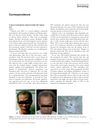
April 2013 in “International Journal of Dermatology” This correspondence article discusses a case of androgenetic alopecia treated with valproic acid but does not present new clinical findings.
3 citations
,
January 2020 in “Indian Journal of Dermatology” This study found that certain VDR gene polymorphisms are more prevalent in female pattern hair loss patients than in healthy controls, suggesting these polymorphisms may increase disease risk.
73 citations
,
April 1999 in “Journal of steroid biochemistry and molecular biology/The Journal of steroid biochemistry and molecular biology” This study found that the vitamin D-VDR system is crucial for mineral and bone metabolism post-weaning and identified missense mutations in 1alpha-hydroxylase causing type I rickets.
37 citations
,
October 2006 in “Archives of Biochemistry and Biophysics” This study describes a patient with hereditary vitamin D resistant rickets (HVDRR) who, despite having a truncated vitamin D receptor, did not exhibit typical hair or skin abnormalities, suggesting possible compensation via interactions with other proteins.
 4 citations
,
February 2023 in “Journal of steroid biochemistry and molecular biology/The Journal of steroid biochemistry and molecular biology”
4 citations
,
February 2023 in “Journal of steroid biochemistry and molecular biology/The Journal of steroid biochemistry and molecular biology” In this study, only Vdr-knockout rats showed both abnormal skin formation and alopecia, which may provide insights into vitamin D receptor function and its role in the hair growth cycle.
January 2025 in “SSRN Electronic Journal”