 1 citations
,
June 2018 in “International Journal of Dermatology”
1 citations
,
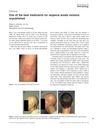
June 2018 in “International Journal of Dermatology” DNCB is highly effective for treating alopecia areata with minimal long-term side effects.
November 2025 in “Informatica” This study introduces a novel image enhancement method that significantly improves the visual quality of low-light sports images by utilizing improved bilateral filtering and the CLAHE algorithm, achieving a 65.24% improvement in color and edge detail preservation compared to state-of-the-art methods on the LOL dataset.
25 citations
,
June 1998 in “Journal of Investigative Dermatology” Murine cytomegalovirus does not cause alopecia areata in these mice.
188 citations
,
January 2003 in “Recent results in cancer research/Recent Results in Cancer Research” This review explores the biological functions of vitamin D, highlighting how deficiency may increase the risk of various diseases, but reports no new clinical results.
3 citations
,
January 2014 in “Indian dermatology online journal” This case report describes a 10-day-old female with aplasia cutis congenita, presenting with two spontaneously healing ulcers on her buttock and no associated abnormalities.
1 citations
,
April 2024 in “Pathogens” This study observed mycobacterial infection with M. xenopi in a pet ferret, noting its resistance to doxycycline, and highlighted the potential zoonotic transmission risk associated with such infections.
6 citations
,
November 2018 in “Case reports in nephrology and dialysis” This case report detailed a 71-year-old male with Cronkhite-Canada syndrome and associated membranous nephropathy, who showed a significant improvement in skin and gastrointestinal symptoms, and remission of nephropathy, after treatment with rituximab, cyclosporine, and azathioprine.
14 citations
,
August 2013 in “Journal of Parasitology” This study reported that 39.7% of Amargosa voles had mite-associated lesions, which may severely impact their health and fitness.
4 citations
,
April 2023 in “bioRxiv (Cold Spring Harbor Laboratory)” This study presents an improved reference genome for the African spiny mouse, which may aid in understanding its tissue regeneration at the molecular level.
 February 2023 in “Malaysian Journal of Science. Series B, Physical & Earth Sciences”
 This review summarizes the use of fecal glucocorticoid metabolite analysis to monitor stress across various bear species and reports no new clinical results.
 7 citations
,
November 2010 in “Genesis”
7 citations
,
November 2010 in “Genesis” Mouse Scube3 affects teeth, tongue, vibrissae, and eye development, but not facial structure or limb growth.
1 citations
,
November 2016 in “Frontiers in neurology” In this case report, a patient with Cronkhite-Canada syndrome also had mononeuritis multiplex, and the authors suggest that an autoimmune mechanism may be involved based on steroid responsiveness and electrophysiological findings.
4 citations
,
December 2016 in “Blood” This study describes a case of cyclic thrombocytopenia where a novel MPL gene mutation may contribute to the disease, with gene expression changes in platelet and neutrophil genes preceding platelet count fluctuations.
November 2016 in “The Molecular Biology Society of Japan”  February 2025 in “PubMed”
 In this study, researchers evaluated CS12192, a selective JAK3 inhibitor, in an alopecia areata mouse model and found it reversed hair growth inhibition comparably to baricitinib, with better safety and similar immune-modulating mechanisms.
 97 citations
,
March 2002 in “Molecular and cellular biology”
97 citations
,
March 2002 in “Molecular and cellular biology” This study found that mice with a mutant CDP/Cux protein lacking the homeodomain showed severely impaired growth, high postnatal mortality, and reduced fertility, highlighting CDP/Cux's role in developmental regulation.
48 citations
,
August 1998 in “Developmental Biology” In this study, researchers created a mutant mouse lacking the first cut repeat in the Cux/CDP protein, resulting in curly vibrissae and wavy hair, supporting the role of Cux/CDP's DNA binding domains in gene regulation during development.
14 citations
,
March 2000 in “Journal of Zoo and Wildlife Medicine” This study identified a new Demodex species causing demodicosis in a zoo koala, successfully treated with daily oral ivermectin.
 May 2024 in “Biochemical pharmacology”
 This study found that targeting CISD1 with the compound NL-1 reduced mitochondrial dysfunction and reactive oxygen species accumulation, protecting against cisplatin-induced hearing loss in cell models and mice, without affecting cisplatin's cancer-fighting effectiveness.
1 citations
,
June 2025 in “Asian Journal of Medical Sciences” In this study, MMF plus prednisolone was found to induce remission in 81% of patients with proliferative lupus nephritis, with fewer adverse effects such as alopecia and amenorrhea compared to CYC plus prednisolone, despite similar overall remission rates.
 August 2025 in “Preprints.org”
 In this case study, a female bison calf's generalized dermatitis caused by mixed staphylococcal infection improved with targeted treatment, highlighting the importance of timely diagnosis and careful health management in wildlife conservation.
 17 citations
,
January 2023 in “Nanoscale Advances”
17 citations
,
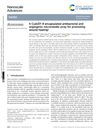
January 2023 in “Nanoscale Advances” The microneedle arrays effectively promote wound healing and have potential for clinical use.
In this study, conditional inactivation of the Mad2l1 SAC gene in mice led to aggressive and lethal acute lymphoblastic leukemia and hepatocellular carcinoma, demonstrating a link between chromosomal instability and cancer development.
44 citations
,
December 2005 in “Journal of Investigative Dermatology” This study found significant associations between certain MICA variants and haplotypes with alopecia areata, suggesting MICA as a potential candidate gene linked to the disease's susceptibility and severity.
1 citations
,
March 2017 in “Semina Ciências Agrárias” This case report describes a Dogo Argentino dog with M. nanum infection, likely from hunting wild boar, that responded well to itraconazole and topical miconazole treatment.
1 citations
,
November 2023 in “Pathogens” This study detected sarcoptic mange in five free-ranging raccoon dogs in Schleswig-Holstein, Germany, with four showing severe skin lesions and potential secondary bacterial infections, suggesting they may act as vectors in disease spread.
 April 1981 in “Pediatric research”
 This study found that abnormal liver and kidney copper metabolism in Br females had no clinical effects, whereas defective brain copper metabolism in Br males was clinically significant.
 28 citations
,
November 2013 in “The FASEB journal”
28 citations
,
November 2013 in “The FASEB journal” In this study, a low-methionine diet significantly improved the health and physical traits of cystathionine β-synthase-deficient mice, contrasting with negative effects on mice with partial deficiency.
13 citations
,
June 2012 in “European journal of medical genetics” In this study, researchers observed monochorionic diamniotic twins with discordant clinical phenotypes, where one had high-grade trisomy 12p mosaicism in certain tissues, while the other showed confined mosaicism likely due to twin-to-twin transfusion.
 February 2023 in “Journal of medical primatology”
 In this study, pair housing of rhesus macaques after intrafacility transfer reduced some undesirable behaviors and diarrhea compared to single housing, although no cortisol level differences were observed.