 43 citations
,
July 1984 in “Clinical and Experimental Dermatology”
43 citations
,
July 1984 in “Clinical and Experimental Dermatology” This study found that women with common baldness treated with cyclical antiandrogen therapy for 52 weeks experienced increased hair density and a higher percentage of hairs in the anagen growth phase.
The authors concluded that capecitabine and high-dose toremifene may be an effective treatment option for patients unable to undergo anthracycline or taxane therapies, based on one woman's cancer management.
 2 citations
,
April 2018 in “Journal of Investigative Dermatology”
2 citations
,
April 2018 in “Journal of Investigative Dermatology” This case study in a renal transplant patient observed that eruptive KA-type SCCs exhibited aggressive behavior and genetic expression changes following intralesional chemotherapy, indicating potential caution against routine use of such treatments in similar cases.
 1 citations
,
August 2023 in “The journal of pharmacology and experimental therapeutics/The Journal of pharmacology and experimental therapeutics”
1 citations
,
August 2023 in “The journal of pharmacology and experimental therapeutics/The Journal of pharmacology and experimental therapeutics” This study developed a new method to analyze Cantú syndrome mutations in KATP channels, finding that while Kir6.1 mutations increase sensitivity to potassium channel openers, SUR2B mutations show reduced sensitivity, but both result in marked hyperpolarization compared to wild-type channels under basal conditions.
1 citations
,
October 2024 in “European Journal of Histochemistry” In this study, researchers reported telocytes in the dermis of silky fowl embryos at different developmental stages, highlighting their immunophenotypes and interactions with other cells.
 29 citations
,
September 2024 in “AAPS PharmSciTech”
29 citations
,
September 2024 in “AAPS PharmSciTech” This review explores the use of skin penetration enhancers like Transcutol® in various formulation systems, discussing their mechanisms and effectiveness in improving transdermal drug delivery without breaching the skin.
 September 2023 in “Journal of The American Academy of Dermatology”
 This announcement discusses the recent FDA approval of baricitinib for treating severe alopecia areata in adults and reports no new clinical results.
 February 2025 in “International Journal of Cosmetic Science”
 This study found that treating hair with ATS, formed from fumaric acid and cysteamine, effectively improved hair quality by increasing moisture content and altering the internal structure of strong curls.
March 2025 in “European Journal of Medical Genetics” This case report suggests that tofacitinib may effectively manage symptoms of AGS7 in a patient with an IFIH1 mutation, though further studies are needed to confirm its long-term safety and efficacy.
 160 citations
,
April 2012 in “Journal of Cellular and Molecular Medicine”
160 citations
,
April 2012 in “Journal of Cellular and Molecular Medicine” This study found that telocytes are present in the human dermis, suggesting a potential role in skin homeostasis, remodeling, regeneration, and repair.
 13 citations
,
June 2010 in “Journal of dermatological treatment”
13 citations
,
June 2010 in “Journal of dermatological treatment” This study found that diphencyprone showed a significant clinical response for treating alopecia areata, while tacrolimus was not effective.
 May 2026 in “Journal of Asia Pacific Aesthetic Sciences”
 This case report highlights significant hair regrowth in a Malaysian woman with localized alopecia areata after intralesional triamcinolone acetonide treatment at a concentration of 5 mg/mL.
 7 citations
,
October 2018 in “BMC genomics”
7 citations
,
October 2018 in “BMC genomics” This study reveals that β-catenin and retinoic acid are key regulators in the gene networks controlling the fate of skin appendages, such as scales and feathers.
 28 citations
,
May 2020 in “BMC plant biology”
28 citations
,
May 2020 in “BMC plant biology” This study concluded that GLCAT14A-C genes are crucial for the function of glucuronic acid transfer to AGPs in Arabidopsis, affecting various growth and reproductive traits such as seed germination and root hair growth.
 April 2025 in “Vestnik dermatologii i venerologii”
 This study demonstrated the high effectiveness and safety of tofacitinib, a pan-JAK inhibitor, in treating severe forms of alopecia areata, although it is not yet FDA-approved for this condition.
 25 citations
,
September 2010 in “Journal of Cutaneous Medicine and Surgery”
25 citations
,
September 2010 in “Journal of Cutaneous Medicine and Surgery” This study found that central centrifugal cicatricial alopecia primarily affects adult women of African descent and suggests an association with traumatic hair care practices and delayed diagnosis.
 16 citations
,
June 2009 in “Dermatologic Surgery”
16 citations
,
June 2009 in “Dermatologic Surgery” This abstract does not contain research results or findings.
21 citations
,
May 2014 in “Toxicological Sciences” This study found that skin exposure to toluene diisocyanate in mice creates immune-recognition reservoirs in the skin's stratum corneum and hair follicles, potentially leading to sensitization and allergic reactions.
 1 citations
,
June 2025 in “Supportive Care in Cancer”
1 citations
,
June 2025 in “Supportive Care in Cancer” This study found that adjuvant docetaxel chemotherapy is linked to higher rates of dissatisfaction and chronic alopecia compared to paclitaxel chemotherapy, suggesting these outcomes should be discussed with patients before using docetaxel regimens.
3 citations
,
April 2021 in “Oncology Times” This study reports that sacituzumab govitecan achieved a 33.3% overall response rate in patients with metastatic triple-negative breast cancer who had prior treatments, with a median response duration of 7.7 months.
 March 2024 in “Clinical and experimental dermatology”
 This study suggests that potent topical corticosteroid occlusion may be a safe and effective treatment option for pediatric patients with severe alopecia areata, although further research is needed on its long-term safety and recurrence.
 1 citations
,
April 2022 in “The Journal of Family Practice”
1 citations
,
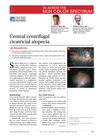
April 2022 in “The Journal of Family Practice” This report describes early and late stages of central centrifugal cicatricial alopecia in two Black women, highlighting progression from a small to a large central patch of hair loss.
 2 citations
,
January 2023 in “Sexual Medicine”
2 citations
,
January 2023 in “Sexual Medicine” This study found that the MTCK, a masturbation aid, significantly improved intravaginal ejaculation latency time and some related sexual function scores in men with premature ejaculation after 8 weeks of use.
 3 citations
,
April 2016 in “Journal of Investigative Dermatology”
3 citations
,
April 2016 in “Journal of Investigative Dermatology” In this open-label trial, tofacitinib showed dramatic clinical responses in most patients with moderate-to-severe alopecia areata, supporting further research into JAK inhibitors for this condition.

In this case report, a 25-year-old female with Mixed Connective Tissue Disease presented unusual symptoms in a specific geographical region, prompting clinicians to approach diagnosis and management with caution due to potential severe complications such as pulmonary hypertension and renal crisis.
 June 2023 in “JAAD case reports”
 This review discusses the evolution of the term “hot comb alopecia” to central cicatricial centrifugal alopecia (CCCA) and highlights the ongoing debate over hairstyling practices' role in its pathology, without offering new clinical results.
2 citations
,
September 2024 in “PLoS ONE” This study suggests that combining bendamustine with tucidinostat may improve survival in patients with relapsed or refractory adult T-cell leukemia/lymphoma, highlighting its potential for clinical investigation.
 June 2020 in “Journal of Investigative Dermatology”
 This study observed that insurance coverage for oral tofacitinib in alopecia areata patients was difficult to obtain, with 71% of patients ultimately not receiving approval despite the drug's efficacy as an off-label treatment.
 67 citations
,
December 2009 in “Stem Cells”
67 citations
,
December 2009 in “Stem Cells” This study found that β-catenin signaling increases in newly born glial cells in the cortex after traumatic brain injury in mice, suggesting potential targets for enhancing recovery through the Wnt/β-catenin pathway.
April 2017 in “Leukemia research” This study reported that tofacitinib may be a promising treatment for alopecia areata in adolescents, showing significant hair regrowth with mild adverse effects in a retrospective review.