 January 2012 in “Journal of Investigative Dermatology”
 Small molecule DMF improves psoriasis and multiple sclerosis, adult skin cells can be made to grow new hair, certain skin cells initiate hair growth, IL-17C controls gut health and can cause skin inflammation, and skin cells produce IL-17 that can lead to psoriasis.
 225 citations
,
April 2018 in “Journal of Investigative Dermatology”
225 citations
,
April 2018 in “Journal of Investigative Dermatology” Two main types of fibroblasts with unique functions and additional subtypes were identified in human skin.
 December 2012 in “Journal of dermatological science”
 This study reveals that hair follicles in mice and humans recruit epidermal Langerhans cells during skin inflammation via specific chemokine signaling pathways.
This study found that IL18 signaling plays a crucial role in the homing and retention of mature regulatory T cells in the mouse thymus, primarily by upregulating the chemokine receptor CCR6.
125 citations
,
February 2007 in “The EMBO Journal” Fgfr2b helps maintain healthy skin and prevent cancer.
 11 citations
,
August 2019 in “Journal of Molecular Histology”
11 citations
,
August 2019 in “Journal of Molecular Histology” This study found that upregulation of NFIC may enhance proliferation and osteogenic/cementogenic differentiation in rat dental follicle cells.
57 citations
,
April 2009 in “Differentiation” This study demonstrates that SDF-1/CXCL12 and CXCR4 signaling play a crucial role in directing the migration and positioning of melanoblasts in mouse hair follicle formation.
55 citations
,
November 2010 in “Journal of Allergy and Clinical Immunology” This study found that the TLR3 L412F genetic variant is associated with severe viral infections, especially CMV, and immune dysfunction in a subgroup of chronic mucocutaneous candidiasis patients.
September 2025 in “PeerJ” This study found that the genes FCER1A and RGS1 are promising biomarkers for diagnosing systemic lupus erythematosus, with FCER1A downregulated and RGS1 upregulated in patients.
3 citations
,
January 2017 in “Acta Dermato Venereologica” This study found that a specific T-cell receptor motif associated with lipid-antigen stimulation may play a role in the pathogenesis of folliculotropic mycosis fungoides.
5 citations
,
November 2005 in “Journal of Investigative Dermatology” May 2017 in “The journal of immunology/The Journal of immunology” This study reported that patients with specific Foxn1 mutations exhibited severe T-cell lymphopenia without the hair and nail abnormalities usually associated with these mutations.
89 citations
,
March 1996 in “Proceedings of the National Academy of Sciences” This study found that homozygous mutant mice with a hypomorphic CD18 mutation developed a chronic inflammatory skin disease resembling human psoriasis, potentially implicating additional genetic factors in disease susceptibility.
August 2019 in “International journal of dermatology and venereology” This review discusses the calcineurin/NFAT pathway's role in cutaneous squamous cell carcinoma, noting its involvement in tumor development, skin cell behavior, and the tumor microenvironment; it reports no new results.
2 citations
,
January 2009 in “Human cell culture”  May 2021 in “Experimental Cell Research”
 In this study, SFRP1 expression was found to be upregulated in hair follicles from men with androgenetic alopecia, with the transcription factor FOXC1 playing a significant role in its regulation.
April 2023 in “Journal of Investigative Dermatology” This study reports that CD200R expression is significantly reduced in a mouse model of scarring alopecia, suggesting a potential role for this pathway in immune regulation and hair follicle protection.
 April 2016 in “Journal of Investigative Dermatology”
 This study found that disrupting Sdf1-Cxcr4 signaling promoted tissue regeneration in wild-type mice, hinting at potential strategies to induce such regeneration in mammals.
 November 2023 in “The journal of investigative dermatology/Journal of investigative dermatology”
 This study found that engineered high-affinity soluble CD200R agonists, including ARQ-234, showed superior efficacy in reducing immune responses in various preclinical models of inflammatory conditions, suggesting potential as a therapeutic for atopic dermatitis and other related diseases.
November 2025 in “The Journal of Immunology” This study found that CD80 expression in wound-activated hair follicle stem cells induces Foxp3 expression in effector T cells, facilitating wound repair by converting them into regulatory T cells.
 24 citations
,
July 2017 in “Structure”
24 citations
,
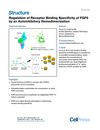
July 2017 in “Structure” In this study, researchers found that ligand homodimerization controls the receptor binding specificity of the FGF9 subfamily, preventing off-target activation of FGFR "b" isoforms.
January 2013 in “edoc (University of Basel)” This study found that TRF1 plays a crucial role in maintaining pluripotency and stem cell compartments, but it is not a suitable in vivo telomere length marker.
November 2025 in “Journal of Investigative Dermatology” PCFCL may have unrecognized subtypes and needs more research.
 18 citations
,
February 2022 in “Cell Death Discovery”
18 citations
,
February 2022 in “Cell Death Discovery” In this study, researchers found that hair follicle-derived mesenchymal stem cells, modified to overexpress extracellular matrix protein 1, significantly improved liver function and reduced liver damage in cirrhotic mice by inhibiting hepatic stellate cell activation and TGF-β/Smad signaling.
June 2023 in “Zenodo (CERN European Organization for Nuclear Research)” This study observed that patients with isolated neutropenia exhibit significant differences in certain lymphocyte and monocyte subtypes compared to healthy controls, including higher neutrophil/lymphocyte MFI ratios and lower percentages of natural killer cells.
 25 citations
,
August 2010 in “Journal of Biological Chemistry”
25 citations
,
August 2010 in “Journal of Biological Chemistry” This study found that NFI-C plays a crucial role in the transition from the telogen to anagen phase of the hair follicle cycle, affecting hair growth initiation in mice.
1 citations
,
September 2004 in “Experimental Dermatology” This study found that α-melanocyte-stimulating hormone may modulate inflammation in skin connective tissue by inhibiting proinflammatory effects in fibroblasts.
 69 citations
,
January 2013 in “Frontiers in Immunology”
69 citations
,
January 2013 in “Frontiers in Immunology” This review summarizes existing knowledge on the role of FOXN1 as a key regulator of thymic epithelial cell lineage and function, reporting no new experimental results.
 1 citations
,
March 2023 in “Science Translational Medicine”
1 citations
,
March 2023 in “Science Translational Medicine” The researchers reported that targeting glycoprotein 130's signaling site in animal models promoted tissue regeneration and reduced osteoarthritis progression through anti-inflammatory and protective effects.
 44 citations
,
October 2017 in “Scientific Reports”
44 citations
,
October 2017 in “Scientific Reports” This study found that far-infrared radiation preconditioning significantly enhanced the proliferation, survival, and migration of bone marrow-derived stem cells in vitro, indicating potential therapeutic benefits for cardiac ischemia treatment.