14 citations
,
February 2008 in “Stem Cells and Development” This study identified several genes highly expressed in germ-line stem cells that are also common in hematopoietic stem cells, potentially aiding the exploration of fundamental stem cell commonalities.
 16 citations
,
May 2013 in “Australasian Journal of Dermatology”
16 citations
,
May 2013 in “Australasian Journal of Dermatology” In this study, detailed examinations of alopecic lesions in two female Cronkhite-Canada syndrome patients suggested hair regrowth might occur without systemic corticosteroids if not required for gastrointestinal treatment, and hair loss may begin with anagen-telogen transition.
January 2024 in “Animals” In this study, researchers found that circERCC6, a circular RNA identified in cashmere goat hair follicles, helps activate secondary hair follicle stem cells, with its role dependent on specific m6A modifications that interact with miR-412-3p to regulate BNC2 expression.
 September 2022 in “JAAD Case Reports”
 In this study, researchers observed that approximately 25% of patients experienced hair loss after COVID-19 infection, with nonscarring alopecia being the most common form.
 2 citations
,
December 2019 in “Al-ʻulūm al-ṣaydalāniyyaẗ”
2 citations
,
December 2019 in “Al-ʻulūm al-ṣaydalāniyyaẗ” This study found no evidence that CTLA-4 gene polymorphism (rs733618) plays a role in polycystic ovarian syndrome among the participants.
![[4-t-Butylphenyl]-N-(4-imidazol-1-yl phenyl)sulfonamide (ISCK03) Inhibits SCF/c-kit Signaling in 501mel Human Melanoma Cells and Abolishes Melanin Production in Mice and Brownish Guinea Pigs](/images/assets/4eb017dc-711d-4926-bcd0-c3b8f48e3a99/small/19974.jpg) 26 citations
,
July 2007 in “Biochemical Pharmacology”
26 citations
,
July 2007 in “Biochemical Pharmacology” This study found that phenyl-imidazole sulfonamide derivatives, particularly ISCK03, inhibited c-kit signaling and promoted depigmentation in various experimental settings, suggesting potential use as skin-whitening agents.
 2 citations
,
April 2010 in “The Open Dermatology Journal”
2 citations
,
April 2010 in “The Open Dermatology Journal” This review discusses the development and role of corneodesmosin in skin and hair follicle integrity, highlighting findings from mouse models and its connection to genetic diseases, with no new experimental results included.
9 citations
,
July 2007 in “Circulation Research” This study found that disruptions in planar cell polarity signaling are implicated in congenital heart defects and cardiomyopathy in developing mouse hearts, associated with early cardiomyocyte disorganization and improper heart looping.
 3 citations
,
May 2019 in “Australasian Journal of Dermatology”
3 citations
,
May 2019 in “Australasian Journal of Dermatology” This letter to the editors discusses the nature of alopecia in Cronkhite–Canada syndrome and questions whether it is truly telogen effluvium, but it reports no new clinical findings.
 May 2023 in “Archives of dermatological research”
 This study found that clinical characteristics, concurrent medical conditions, and hair care practices may affect treatment outcomes in patients with central centrifugal cicatricial alopecia.
3 citations
,
June 2023 in “Modern Pathology” This study found that GLI1 RNA CISH was highly sensitive and specific for distinguishing basal cell carcinoma from nonfollicular epithelial neoplasms but not from most benign follicular tumors.

This study found that CPA-loaded nanoparticles, particularly SLN formulations, increased CPA epidermal penetration compared to a conventional cream and may reduce side effects in treating androgen-dependent conditions.
January 2018 in “International Society of Hair Restoration Surgery” This announcement details employment opportunities at the Anderson Center for Hair and includes no clinical research findings.
 April 2025 in “Dermatology Practical & Conceptual”
 This study found that erosive pustular dermatosis of the scalp is frequently misdiagnosed as squamous cell carcinoma, highlighting the need for careful differentiation to avoid unnecessary treatments.
 2 citations
,
May 2017 in “The Journal of Dermatology”
2 citations
,
May 2017 in “The Journal of Dermatology” This case report describes a Japanese bone marrow transplant recipient who developed a high-risk cutaneous squamous cell carcinoma on the scalp, potentially linked to long-term voriconazole use.
 44 citations
,
September 2012 in “Archives of Dermatology”
44 citations
,
September 2012 in “Archives of Dermatology” This study observed that hair breakage may indicate early central centrifugal cicatricial alopecia in African American women, suggesting that it should be considered in their differential diagnosis.
 June 2023 in “British Journal of Dermatology”
 This study reports a unique case of coinheritance of BRCA2 and CYLD pathogenic variants in a man with metastatic malignant cylindroma, suggesting that recognizing such genetic profiles in rare conditions can provide new treatment options, including the potential use of therapies targeting BRCA deficiency.
 September 2025 in “Cureus”
 This study found that 19.5% of young girls screened using the Rotterdam criteria were diagnosed with polycystic ovarian syndrome, highlighting the importance of early screening and intervention.
60 citations
,
October 2020 in “Nature Communications” This study found that small molecule AP-1 inhibitors may selectively target SMO inhibitor-resistant basal cell carcinoma cells characterized by specific markers, potentially enhancing combinatorial cancer therapies.
11 citations
,
May 2008 in “British journal of dermatology/British journal of dermatology, Supplement” This case report describes a 32-year-old man who developed SCC of the common bile duct a year after receiving treatment for a malignant proliferating trichilemmal tumour on the scalp.
 2 citations
,
December 2021
2 citations
,
December 2021 This study found that the observed isotropic ss-ECD spectrum of finasteride is influenced by the anisotropy of locally oriented crystals, offering new possibilities for analyzing solid-state chiral materials.
January 2011 in “Junshi yixue” This study established a murine chronic graft-versus-host disease model with scleroderma features, showing typical skin changes and cellular infiltrates associated with the condition.
This study mapped genome-wide copy number variations in Chinese indigenous fine-wool sheep, providing a valuable genetic resource for researching complex traits and genetic diversity in this species.
 April 2023 in “Journal of Investigative Dermatology”
 In this study, researchers developed a detailed spatial atlas of healthy human skin and basal cell carcinoma, revealing that basal cell carcinoma likely originates from hair follicles and involves expansion of specific fibroblast subpopulations found in healthy skin.
March 2018 in “International Society of Hair Restoration Surgery” This announcement outlines job opportunities at the Anderson Center for Hair and provides no clinical research findings.
4 citations
,
December 2021 in “Journal of Clinical Nursing” This study observed that women with early-stage breast cancer often felt inadequately prepared for the discomfort and time commitments of scalp cooling during chemotherapy, leading to the development of patient-co-produced informational resources to better prepare them.
 108 citations
,
March 2011 in “Archives of Dermatology”
108 citations
,
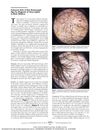
March 2011 in “Archives of Dermatology” Corkscrew hair may be a new sign for quickly diagnosing scalp fungus in black children.
4 citations
,
January 2006 in “International Journal of Cosmetic Science” This study found that scanning electron microscopy with argon sputter etching visualizes hair lipids at the cell membrane complex as distinctive convex structures, shedding light on their role and localization in human hair.
3 citations
,
October 2001 in “British Journal of Ophthalmology” This case report suggests that intralesional cidofovir successfully treated SCC without systemic toxicity, making it a potential alternative to consider alongside surgical excision.
 2 citations
,
April 2022 in “Journal of Cosmetic Dermatology”
2 citations
,
April 2022 in “Journal of Cosmetic Dermatology” This study found that de-saponinated Camellia seed cake extract promotes hair growth in vitro and in vivo by enhancing dermal papilla cell proliferation and modulating signaling pathways and growth factor expression.