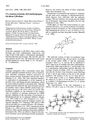
 December 1998 in “Acta Crystallographica Section C-crystal Structure Communications”
 This study describes the molecular conformation and intermolecular interactions in the crystalline structure of the compound C24H31BrO4.
This study purified trichohyalin protein from pig tongue epithelium, characterizing its unique properties and structure, which may facilitate future functional research.
 5 citations
,
July 2014 in “Acta Crystallographica Section D-biological Crystallography”
5 citations
,
July 2014 in “Acta Crystallographica Section D-biological Crystallography” This study reports that mutations in human L-PGDS affect the entrance and exit of ligands in its binding cavity, suggesting these residues play a role in ligand interaction processes.
 5 citations
,
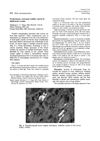
September 1989 in “Journal of The American Academy of Dermatology”
5 citations
,
September 1989 in “Journal of The American Academy of Dermatology” This article reports that cocaine injections can lead to skin lesions containing talc crystals at the sites of injection.
January 2017 in “대한미용학회지” This study observed that hair follicle cuticular cells undergoing keratinization were significantly thicker than those in a normal hair shaft, due to incomplete loss of cytosol.
3 citations
,
October 2023 in “Cosmetics” This study developed effervescent cleansing tablets containing asiatic-acid-loaded solid lipid microparticles, finding that they provided effective cleansing compared to water and showed good flow properties, pH, and hardness but were unstable at high temperature and humidity.
 3 citations
,
January 2004 in “Sen i Gakkaishi”
3 citations
,
January 2004 in “Sen i Gakkaishi” This study found that adding dithiodiglycolic acid to the hair straightening process decreased chemical damage and preserved the structural integrity of the hair matrix compared to using thioglycolic acid alone.
189 citations
,
July 2009 in “The Journal of clinical investigation/The journal of clinical investigation” This review discusses how research on keratin biology has enhanced the understanding of epidermolysis bullosa simplex and indicates potential new therapeutic approaches, but it presents no new experimental results.
January 2008 in “Chinese Journal of Spectroscopy Laboratory” This study utilized a fluorescence probe to evaluate cysteine formation on hair fibers, finding that optimal fluorescence emission occurred at pH 4.5.
8 citations
,
July 2002 in “X-Ray Spectrometry” In this study, researchers found a correlation between x-ray patterns and the element composition of human hair, with certain metal roles in the hair matrix considered.
July 2023 in “Nature Reviews Chemistry” A new method strengthens hair without using harmful chemicals.
12 citations
,
January 1934 in “Proceedings of the Royal Society of London Series B Containing Papers of a Biological Character” This study found that the X-ray patterns of stretched mammalian hair (β-keratin) are similar to those of natural silk (fibrion), suggesting a similar elastic mechanism involving reversible intra-molecular transformations.
December 2020 in “Macromolecular Symposia” This study found that incorporating acrylic and methacrylic acid into poly(N-vinyl-2-pyrrolidone) copolymers improves film mechanical properties but negatively affects their interaction with keratin for hair care applications.
 July 2011 in “Microscopy and microanalysis”
 Human hair's structure makes it tough and resistant to breaking.
195 citations
,
November 2001 in “The Journal of Cell Biology” This study found that desmocollin 1 is crucial for strong adhesion and barrier maintenance in the mouse epidermis, with its absence leading to skin and hair issues resembling chronic dermatitis.
 24 citations
,
July 2017 in “Structure”
24 citations
,
July 2017 in “Structure” In this study, researchers found that ligand homodimerization controls the receptor binding specificity of the FGF9 subfamily, preventing off-target activation of FGFR "b" isoforms.
March 2026 in “Journal of the mechanical behavior of biomedical materials/Journal of mechanical behavior of biomedical materials” This study investigated the mechanical response of the human hair cuticle to strain and found that cuticular deformation directly corresponded with fiber elongation, revealing significant molecular-level changes in disulfide crosslinks but maintained structural stability, highlighting the role of the cuticle in stress resistance.
 April 2021 in “Research Square (Research Square)”
 This study found that the new cocrystal formulation KET-PABA improved the antimycotic efficiency of ketoconazole and induced an anti-inflammatory response without causing skin sensitization in mice.
 September 2023 in “Journal of Fluid Mechanics”
 This study developed a model using homogenization-based framework to quantify solvent and solute flow across Janus membranes, aiming to better understand interface phenomena like osmosis and phoresis by examining micro- and macro-scale behaviors.
January 2026 in “Molecules” In this study, the novel thiol-Michael click perming molecule, MA2-CySS, achieved repeatable perming with reduced oxidative damage, preserving hair keratin's structure while maintaining efficiency comparable to traditional oxidative methods.
3 citations
,
April 2025 in “International Journal of Pharmaceutics” Nanocrystals improve alopecia areata treatment by better targeting hair follicles.
 11 citations
,
August 2017 in “Journal of Chromatographic Science”
11 citations
,
August 2017 in “Journal of Chromatographic Science” This study established a rapid and accurate ultra-performance liquid chromatographic method for chemical fingerprinting and analyzing Platycladi cacumen, effectively distinguishing batches based on geographical and climatic conditions.
 10 citations
,
October 2016 in “Journal of Biomolecular NMR”
10 citations
,
October 2016 in “Journal of Biomolecular NMR” This study reported that using 2D solid-state NMR techniques on extensively labeled mouse fur improves resolution in detecting chemical shifts and secondary structure features, potentially aiding the analysis of the effects of commercial or therapeutic treatments on specific amino acids.
May 2026 in “Applied Spectroscopy” This study used Raman spectroscopy and wide-angle X-ray scattering to observe two main α-helix to β-sheet transitions in hair keratin under varying humidity levels, finding that water impacts when these structural changes occur, involving a disordered state.
2 citations
,
December 2010 in “PubMed” This study reported that a new two-point bending stiffness method effectively correlated with sensory assessments for hair styling gels but not for hair styling sprays, likely due to differences in polymer/hair composites.
2 citations
,
September 1996 in “Journal of Applied Polymer Science” This study found that treating hair with aqueous KCN converts disulfide bonds to monosulfide crosslinks, affecting the elasticity and crosslink distribution in hair microstructures.
10 citations
,
November 2013 in “Biochemistry and Molecular Biology Education” This review discusses the history, structure, and biological significance of keratins, including the crystal structure of a keratin helical segment, without reporting new experimental results.
January 2016 in “Frontiers in Bioengineering and Biotechnology” This study developed keratin-based hydrogels with improved water solubility and tunable properties, demonstrating excellent cytocompatibility, suggesting potential for biomedical applications.
 August 2014 in “Acta Crystallographica”
 This study found that the dissolution profiles of different finasteride polymorphs may affect the quality of finasteride capsules, highlighting the need for polymorphic quality control.