 July 2024 in “Frontiers in Bioengineering and Biotechnology”
 In this mouse study, the researchers found that cryopreserving nanofat at -20°C maintained its viability and regenerative potential, comparable to freshly generated nanofat, supporting its potential for repeated use in regenerative applications.
19 citations
,
January 2019 in “Molecular Medicine Reports” This study found that for optimal ADSC viability during short-term storage, using 10% human serum at 4°C and utilizing the cells within 2 hours is most effective.
7 citations
,
August 2021 in “Pharmaceutics” This study explored the use of dexamethasone-loaded polymer hybrid nanoparticles in a xanthan gum hydrogel for treating alopecia areata, finding that freeze drying with sucrose influenced particle size, release, and permeation, but had no impact on cytotoxicity or anti-inflammatory efficacy in human keratinocytes.
February 2023 in “Journal of Microencapsulation” This study developed a stable lyophilized finasteride nanosystem for topical delivery and found that it was stable for 90 days and that formulations with 15% trehalose showed favorable characteristics for potential use in treating androgenic alopecia.
 January 2024 in “Dermatologic Surgery”
 This abstract pertains to a dermatology-related academic profile without reporting any specific study findings. Results or research details are not provided.
4 citations
,
January 2016 in “Advances in experimental medicine and biology” This study established that cryopreservation methods can maintain the pluripotency and hair growth potential of hair follicle-associated pluripotent stem cells, enabling potential applications in regenerative medicine and hair transplantation.
June 2019 in “Problems of Cryobiology and Cryomedicine”  December 2025 in “Journal of Pharma Insights and Research.”
 This paper reviews the state of knowledge on injectable cryogels, highlighting their unique properties such as shape-memory and mechanical integrity, which allow for minimally invasive delivery via needles and potential applications in oncology and regenerative medicine.
 2 citations
,
January 2013 in “Journal of the Korean Association of Oral and Maxillofacial Surgeons”
2 citations
,
January 2013 in “Journal of the Korean Association of Oral and Maxillofacial Surgeons” This review discusses the potential of dental tissues as an alternative source of adult stem cells for regenerative medicine but reports no new experimental results, emphasizing the need for effective preservation methods.
7 citations
,
July 2023 in “International Journal of Molecular Sciences” In this study, human nucleus pulposus cells treated with hyaluronic acid showed increased proliferation and reduced oxidative stress compared to those treated with EDTA-PBS, suggesting a potential role for hyaluronic acid in enhancing intervertebral disc therapy.
 151 citations
,
November 2018 in “International Journal of Pharmaceutics”
151 citations
,
November 2018 in “International Journal of Pharmaceutics” This review discusses various nanoparticles and nanoemulsions being investigated for transdermal drug delivery and reports no clinical results; it highlights potential applications in treating alopecia, wound healing, psoriasis, and melanoma.
 61 citations
,
May 2015 in “Planta”
61 citations
,
May 2015 in “Planta” Certain fungi and bacteria help orchid seeds germinate and plants grow better.
 58 citations
,
March 2013 in “Human Reproduction Update”
58 citations
,
March 2013 in “Human Reproduction Update” This review discusses various substances that can impact male fertility and stresses that products should be confirmed 'sperm-safe' through rigorous testing, not assumptions; it reports no new study results.
 39 citations
,
August 2017 in “Colloids and Surfaces B: Biointerfaces”
39 citations
,
August 2017 in “Colloids and Surfaces B: Biointerfaces” This study found that 50-nm PLGA nanoparticles delivered with iontophoresis enhanced skin permeation of indomethacin in rats more effectively than 100-nm nanoparticles, suggesting improved targeting of hair follicles.
 28 citations
,
October 2018 in “Clinical Obstetrics and Gynecology”
28 citations
,
October 2018 in “Clinical Obstetrics and Gynecology” This study suggests that gender-affirming testosterone therapy in transgender men is generally safe and effective with adequate screening and monitoring, although high-quality long-term studies are lacking.
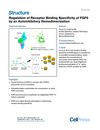 24 citations
,
July 2017 in “Structure”
24 citations
,
July 2017 in “Structure” In this study, researchers found that ligand homodimerization controls the receptor binding specificity of the FGF9 subfamily, preventing off-target activation of FGFR "b" isoforms.
 17 citations
,
January 2010 in “PubMed”
17 citations
,
January 2010 in “PubMed” This review explores factors affecting graft growth and survival in hair restoration, emphasizing the importance of fundamental care practices while considering advanced storage solutions and additives, but reports no new findings.
 12 citations
,
January 2018 in “Journal of Drug Delivery Science and Technology”
12 citations
,
January 2018 in “Journal of Drug Delivery Science and Technology” This study developed solid lipid nanoparticles for effective delivery of shRNA-encoding plasmids, showing reduced 5α-reductase levels in DU-145 cells without significant cytotoxicity.
 11 citations
,
January 2024 in “Indian Journal of Pharmaceutical Sciences”
11 citations
,
January 2024 in “Indian Journal of Pharmaceutical Sciences” This review summarizes the enhanced absorption and bioavailability of phytosome delivery systems, which combine herbal extracts with phospholipids to improve therapeutic potential, and provides an updated overview of their development, commercial availability, and patented technologies.
 1 citations
,
November 2008 in “Acta crystallographica”
1 citations
,
November 2008 in “Acta crystallographica” This study reports the crystallization of the human androgen receptor's ligand-binding domain with nonsteroidal ligands, which may aid in understanding the differences in binding compared to steroidal ligands.
 May 2026 in “Organoid Research”
 This review discusses recent advancements in hair follicle organoid technology for alopecia treatment but presents no new experimental results, emphasizing the potential for clinical applications and drug screening.
 March 2026 in “Plastic and Aesthetic Research”
 This review highlights that exosomes from adipose-derived stem cells, particularly those enriched with circ-Ash1l, can inhibit ferroptosis and reduce UVB-induced skin aging by delivering GPX4-promoting signals to damaged cells, thus offering a potential regenerative therapy for photoaged skin.
 5 citations
,
November 2002 in “Aesthetic Plastic Surgery”
5 citations
,
November 2002 in “Aesthetic Plastic Surgery” This study observed that micrografts stored at -20°C maintained their morphological structure better than those stored at 4°C, potentially allowing for more efficient hair transplantation procedures.
 May 2025 in “Plastic & Reconstructive Surgery Global Open”
 In this proof-of-concept study, researchers found that hair grafts preserved in preconditioned autologous platelet-rich plasma with photothermal biostimulation and phosphate-buffered saline remained viable for eight hours before transplantation, outperforming saline solution and Ringer's lactate by two hours.
2 citations
,
January 2019 in “Recent Advances in Biology and Medicine” This study found that a combination of 5% DMSO and BSA minimizes toxic effects on the cytogenetic stability of dermal papilla cells during cryopreservation.
 260 citations
,
July 2010 in “Cell”
260 citations
,
July 2010 in “Cell” This study identifies mutations in the SRD5A3 gene as a cause of a new type of congenital disorder of glycosylation, impacting mental, ophthalmologic, and cerebellar functions.
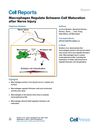 130 citations
,
September 2018 in “Cell Reports”
130 citations
,
September 2018 in “Cell Reports” This study found that macrophages play a crucial role in nerve regeneration by regulating Schwann cell dynamics and remyelination, with Gas6 identified as a key factor in this process.
 128 citations
,
July 2009 in “International Journal of Pharmaceutics”
128 citations
,
July 2009 in “International Journal of Pharmaceutics” This study found that penetration enhancer-containing vesicles significantly improved minoxidil delivery to the skin compared to traditional liposomes and penetration enhancer-containing ethanolic solutions, with deformability linked to enhanced deposition.
 67 citations
,
December 2009 in “Stem Cells”
67 citations
,
December 2009 in “Stem Cells” This study found that β-catenin signaling increases in newly born glial cells in the cortex after traumatic brain injury in mice, suggesting potential targets for enhancing recovery through the Wnt/β-catenin pathway.
 49 citations
,
October 2017 in “Nutrients”
49 citations
,
October 2017 in “Nutrients” This study observed that the ethyl acetate extract of Equisetum debile showed high activity against 5α-reductase and lipid peroxidation with no cytotoxicity on dermal papilla cells.