25 citations
,
March 2018 in “Journal of oncology practice” This study found that scalp cooling effectively reduces chemotherapy-induced hair loss, especially with taxane-based regimens, and recent U.S. trials support its safety, despite logistical and insurance challenges.
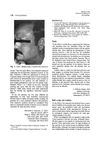 January 1989 in “Journal of The American Academy of Dermatology”
 Dr. Hanke acknowledges the success of CO₂ laser for less severe blast tattoos and suggests dermabrasion for more extensive injuries, while also discussing dermatology's media presence and issues with minoxidil research.
 8 citations
,
February 2020 in “Fertility and Sterility”
8 citations
,
February 2020 in “Fertility and Sterility” This study discusses treatment approaches for refractory Asherman syndrome, highlighting the potential role of CD133+ bone marrow-derived stem cells in conjunction with hysteroscopy for endometrial regeneration and improved pregnancy outcomes.
June 2025 in “Problems of Cryobiology and Cryomedicine” In this study, the researchers found that tyndallization effectively sterilizes aqueous solutions of hyaluronic acid without diminishing their regenerative properties, and these properties remain intact even at low temperatures, supporting potential applications in cryobiology and cryomedicine.
9 citations
,
June 1999 in “Acta Obstetricia Et Gynecologica Scandinavica” In this study, oral contraceptives containing desogestrel or cyproteron acetate effectively treated hyperandrogenism in women with polycystic ovary syndrome, while ovarian electrocautery is recommended for those with concurrent infertility.
 January 2025 in “Dermatologic Therapy”
 This study found that nonablative Er:YAG laser therapy effectively improved hair appearance for patients with androgenetic alopecia, with most participants reporting increased satisfaction and no adverse reactions, following six biweekly sessions.
13 citations
,
October 2021 in “Actas Dermo-Sifiliográficas” This review examines existing evidence on scalp cooling systems to prevent or reduce chemotherapy-induced hair loss in cancer patients, noting promising results and their increasing adoption in clinical practice.
 52 citations
,
May 2013 in “Supportive Care in Cancer”
52 citations
,
May 2013 in “Supportive Care in Cancer” Scalp cooling significantly reduces hair loss in chemotherapy patients.
13 citations
,
January 2020 in “Annals of Oncology” Cryotherapy and compression therapy might help prevent chemotherapy nerve damage, but more research is needed.
15 citations
,
September 2014 in “Dermatologic surgery” This study found that diode laser reduced axillary hair more effectively but with greater pain than intense pulsed light, with both methods producing lasting and safe results.
This study found that the Leni wand device, which combines cold and vibration, was more effective at reducing pain from local anesthesia injections during hair transplant surgery than a device using only vibration, although results were obtained solely from a male participant group.
47 citations
,
March 1987 in “The Journal of dermatologic surgery and oncology” Carbon dioxide laser treatment effectively removed facial hair cysts without scarring or them coming back.
January 2025 in “SSRN Electronic Journal”  1 citations
,
September 2005 in “Oncology times”
1 citations
,
September 2005 in “Oncology times” In this study, wearing a frozen glove during docetaxel chemotherapy reduced nail problems in patients' gloved hands compared to unprotected hands, with onycholysis absent among protected hands.
May 2013 in “CRC Press eBooks” This review discusses laser hair removal, its scientific background, and treatment optimization but reports no new experimental findings.
This study reports that FDA-approved scalp cooling caps, like DigniCap and Paxman, can help 50-66% of breast cancer patients retain at least 50% of their hair during chemotherapy, with specific recommendations and limitations discussed for different patient groups.
 January 2023 in “The Egyptian Journal of Hospital Medicine ”
 This review suggests that fractional CO2 laser treatment may be a promising option for treating alopecia areata with a good safety profile.
14 citations
,
June 2021 in “Archives of Dermatological Research” In this study, researchers evaluated the use of adipocyte-derived stem cell conditioned media combined with fractional laser or microneedling for treating refractory alopecia areata, finding that 64.3% of patients had significant hair regrowth, suggesting this combination may be an effective and safe treatment option.
 January 2026 in “Dermatology Online Journal”
 This study analyzed the cost-effectiveness of scalp cooling as a means of preventing chemotherapy-induced hair loss and found it to be financially reasonable compared to dermatologic management strategies, suggesting that it should be considered for routine insurance coverage due to its cost-effectiveness.

This study found that scalp cooling effectively prevented visible hair loss in over half of patients undergoing highly alopecia-inducing chemotherapy, yet cognitive appraisal of the treatment had a more significant impact on quality of life than the actual degree of hair retention.
 1 citations
,
April 2026 in “Aesthetic Plastic Surgery”
1 citations
,
April 2026 in “Aesthetic Plastic Surgery” This study found that radiofrequency microneedling is effective and well-tolerated for improving various skin conditions, showing comparable efficacy to fractional lasers for atrophic acne scars with generally favorable patient satisfaction and safety.
 3 citations
,
April 2017 in “Dermatologic Surgery”
3 citations
,
April 2017 in “Dermatologic Surgery” Laser hair removal can be an effective last-resort treatment for men with stubborn Alopecia Areata who want to be uniformly bald.
 5 citations
,
November 2002 in “Aesthetic Plastic Surgery”
5 citations
,
November 2002 in “Aesthetic Plastic Surgery” This study observed that micrografts stored at -20°C maintained their morphological structure better than those stored at 4°C, potentially allowing for more efficient hair transplantation procedures.
 June 1999 in “Proceedings of SPIE”
 The study suggests that CO₂ laser creates hair transplant channels with significantly less lateral thermal damage than Ho:YAG laser in the human scalp.
 March 2026 in “Cosmetics”
 This study found that combining Alexandrite laser with iontophoresis of chymotrypsin and papain enzymes reduced the laser pulse requirements compared to laser alone for treating paradoxical hypertrichosis in women with facial hirsutism, suggesting potential clinical benefits in managing this condition.
April 2026 in “The Breast” This study found that both scalp cooling systems and chemical cooling caps effectively reduced chemotherapy-induced alopecia in early breast cancer patients, with scalp cooling showing better early efficacy but chemical cooling providing greater psychological and quality of life benefits.
August 2026 in “Indonesian Journal of Global Health Research” This study reports that scalp cooling is 40%-90% effective in preventing chemotherapy-induced hair loss among breast cancer patients, particularly with taxane-based treatments, though some exhibited discontinuation due to mild side effects.
September 2020 in “Journal of Mind and Medical Sciences” This study reported that using a Cutera Xeo laser with specific probes may help treat rosacea symptoms like diffuse facial erythema and telangiectasias, with some risks like bruises and hypopigmentation.
 May 2024 in “Lasers in medical science”
 In this retrospective study, a combined therapy of ablative fractional Er: YAG laser and medication was more effective in treating male androgenetic alopecia than medication alone, without causing serious adverse effects, as evaluated over 24 weeks.
 1 citations
,
February 2024 in “Journal of Modern Oncology”
1 citations
,
February 2024 in “Journal of Modern Oncology” This study found that scalp hypothermia effectively prevented chemotherapy-induced alopecia in 57.3% of breast cancer patients, with side effects such as a feeling of cold and slight headaches reported in 16% of cases.