 September 2022 in “Ciencia Unemi”
 This review found that while many medicinal plants show potential antiviral and other therapeutic effects against COVID-19 based on prior studies, more rigorous clinical trials are needed to confirm their efficacy and safety.
 November 2021 in “PARIPEX INDIAN JOURNAL OF RESEARCH”
 In this study, researchers administered Trigona bee honey to dogs with dermatitis and observed improvements in skin damage, including reduced inflammation, decreased erythema, and increased hair growth at alopecia sites, indicating its potential as a treatment for canine dermatitis.
 December 2019 in “University of Malaya Students Repository”
 This study found that Soxhlet extraction is more effective at removing the toxin mimosine from Leucaena leucocephala, and mimosine shows promise as a biodiesel additive due to its antioxidative properties.

This book reviews evidence-based medicine practices in obstetrics and gynecology but reports no new clinical findings.
 January 2016 in “Springer eBooks”
 The document concludes that there are various causes and treatments for hair loss, with hair transplantation being a notable option.
 December 2013 in “Biomedical and biopharmaceutical research”
 This review discusses technological advances in liposome systems for drug delivery and reports no new clinical results; it highlights the clinical acceptance and market presence of liposomal products.
This article provides a reference guide for various dermatological terms, treatments, and conditions, but reports no new clinical findings.
 June 2013 in “D-Scholarship@Pitt (University of Pittsburgh)”
 This article discusses the development of an interactive workbook by OCCAM to help cancer patients communicate their use of complementary and alternative medicine with healthcare providers and reports no clinical results.
 November 2010 in “Clin-Alert”
 Monitoring for adverse effects in clinical treatments is crucial.
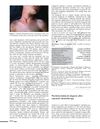
This abstract discusses pellagra as a nutritional disorder characterized by a known set of symptoms but reports no new clinical findings; the authors review existing knowledge and suggest further research.
 September 2009 in “Pediatric Dermatology”
 This meeting abstract volume for the Society for Pediatric Dermatology reports no new clinical results.
 January 2001 in “Dermatologic Surgery”
 The letters discussed medical tools, costs, treatment efficacy, and patient care complexities.
 January 1991 in “Journal of Pediatric Health Care”
 Hair loss in children can be caused by fungal infections, trauma, autoimmune disorders, or stress, and treatments vary depending on the cause.
 January 1978 in “Clin-Alert”
 A document listed serious side effects from various drugs, including deaths and diseases, emphasizing the importance of being aware of drug side effects.
 June 2022 in “International journal of drug delivery technology”
 This study found that Convolvulus arvensis ethanolic extract may promote hair growth and reduce hair loss in albino mice with testosterone-induced baldness by increasing follicular density and the anagen/telogen ratio.
4 citations
,
December 2022 in “Evidence-based Complementary and Alternative Medicine” This study found that phenolic compounds from Quercus acutissima, particularly casuarinin, showed strong antioxidative, anti-inflammatory, and antiacne effects in mouse macrophage cells, suggesting potential therapeutic candidates for acne.
October 2025 in “Clinical Chemistry” This study found that combining Juniperus communis extract with 5-Fluorouracil inhibited oral cancer cell growth more effectively than 5-FU alone, inducing cancer cell death and reducing drug resistance by affecting key cellular pathways and proteins.
 1 citations
,
July 2022 in “Plant Cell, Tissue and Organ Culture (PCTOC)”
1 citations
,
July 2022 in “Plant Cell, Tissue and Organ Culture (PCTOC)” This study identified that the biosynthetic pathways for coumestans in Eclipta prostrata are derived from acetate and shikimate pathways, while phenylpropanoid biosynthesis is exclusively from the shikimate pathway.
June 2022 in “Zenodo (CERN European Organization for Nuclear Research)” This study found that methanolic extracts from Capparis decidua fruits showed significant in vitro clot lysis activity, indicating potential as a safer anti-thrombotic alternative, but more research is needed to confirm its effectiveness in vivo.
 April 2022 in “Research Square (Research Square)”
 This study found that the biosynthetic pathways of coumestans in Eclipta prostrata are derived from acetate and shikimate pathways, while 3,5-di-O-caffeoylquinic acid biosynthesis originates exclusively from the shikimate pathway.
 10 citations
,
October 2018 in “Plant Biotechnology”
10 citations
,
October 2018 in “Plant Biotechnology” This study identified two cytochrome P450 enzymes in Avicennia marina leaves that may contribute to the biosynthesis of triterpenoids, potentially responsible for the plant's medicinal properties.
 45 citations
,
February 2018 in “Journal of basic and clinical physiology and pharmacology/Journal of basic & clinical physiology & pharmacology”
45 citations
,
February 2018 in “Journal of basic and clinical physiology and pharmacology/Journal of basic & clinical physiology & pharmacology” This review summarizes the ethno-medicinal uses, phytochemical constituents, and biological activities of Acorus calamus, highlighting its potential therapeutic benefits and the importance of further scientific work on this plant.
August 2025 in “Tropical Journal of Natural Product Research” This study found that hydromethanolic extracts from Carthamus caeruleus L. rhizomes exhibited notable antioxidant and anti-inflammatory effects in both in vitro and in vivo experiments, supporting its traditional medicinal uses and suggesting its potential as a source of therapeutic agents.
12 citations
,
May 2023 in “Molecules” This study identified seven potential enzyme inhibitors from a Polygonum cuspidatum extract using ultrafiltration combined with high-performance liquid chromatography. These compounds showed inhibitory activity against tyrosinase, α-glucosidase, and xanthine oxidase, with most discovered in this extract for the first time.
September 2022 in “The Korean Tea Society” This study identified several active compounds in Houttuynia cordata and found that most demonstrated significant antioxidant and acetylcholinesterase inhibitory activity, potentially useful for developing functional tea products.
2 citations
,
June 2025 in “International Journal of Molecular Sciences” In this study, Carthamus caeruleus root juice exhibited in vitro anti-inflammatory effects by stabilizing human erythrocyte membranes and inhibiting albumin denaturation, as well as showing potential inhibition of COX-2 through in silico analysis; however, further research is needed to confirm efficacy and mechanisms.
15 citations
,
June 2021 in “International Journal of Molecular Sciences” This study demonstrated that novel curcumin analogs CMC2.24, CMC2.23, and CMC2.5 were more effective and less toxic than parent curcumin in inhibiting melanin production in normally pigmented human melanocytes, suggesting potential for skin depigmentation therapies.

This study found that the ethanolic extract of Guazuma ulmifolia, or mutamba, showed only intermediate levels of phenolic compounds and low antioxidant activity in laboratory tests, suggesting limited potential in alleviating oxidative stress conditions like cancer or cardiovascular diseases.
January 2011 in “Reactions Weekly”  19 citations
,
July 2018 in “Medicines”
19 citations
,
July 2018 in “Medicines” This review highlights the pharmaceutical potential of secondary metabolites from Juniperus species, noting promising antitumor, antibacterial, and antiviral activities, but reports no new experimental findings.