 December 2025 in “Голова и шея.”
 In this study conducted at a Russian military hospital, the researchers found that using a (bi)eyebrow surgical approach with endonasal video navigation significantly reduced postoperative complications, such as skin sensitivity impairment and visible scarring, compared to the open bicoronal approach for treating frontal sinus injuries.
 December 2025 in “Canadian Urological Association Journal”
 This study highlights the gap between media claims and limited scientific evidence on the impact of alternative therapies for men's health, emphasizing the need for larger-scale trials for informed patient counseling.
 November 2025 in “Journal of Ayurveda and Integrated Medical Sciences”
 This study evaluated an herbal hair dye made from plant-based ingredients, finding it stable, non-toxic, and effective in providing lasting color, improving hair texture, and reducing hair fall, making it a viable and eco-friendly alternative to chemical dyes.
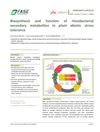 November 2025 in “Frontiers of Agricultural Science and Engineering”
 This study observed that rhizobacterial strain RT3 significantly improved drought tolerance in lettuce by increasing survival rates and fresh biomass after rewatering, with metabolites such as proline and glycine enhancing stress resilience.
This study found that platelet-rich plasma might support brain health by enhancing glial cell function and modulating immune responses in inflammation, indicating potential as a treatment for brain disorders.
 November 2025 in “Journal of Multidisciplinary Healthcare”
 This study found that combining fire needle therapy with DHT treatment over eight weeks improved lesion severity, scar symptoms, quality of life, and reduced serum inflammatory cytokine levels in patients with moderate-to-severe acne vulgaris compared to using DHT alone.
 October 2025 in “Current Pharmaceutical Research”
 This study evaluated a new herbal shampoo made from traditional plants and found it to have effective cleansing properties, moderate foam stability, and environmental safety, suggesting it as a favorable natural alternative to synthetic shampoos.
 September 2025 in “Consilium Medicum”
 This study discusses the role of 5α-reductase inhibitors in managing lower urinary tract symptoms caused by benign prostatic hyperplasia and suggests their potential use in other conditions like prostate cancer chemoprevention and androgenetic alopecia treatment, emphasizing appropriate dosing to reduce surgical complications.
This study analyzed Yul Brynner's star image in 1950s Hollywood, highlighting how his distinct physical presence and flexible ethnic portrayals influenced his cinematic appeal, while examining the interplay of his unique performance style with biographical tales.
 May 2025 in “International Journal for Research in Applied Science and Engineering Technology”
 This study reviewed the effectiveness and quality assessment of herbal shampoos made with traditional medicinal herbs, reporting that they offer a sustainable, eco-friendly, and safe way to promote hair and scalp health, aligning with contemporary wellness trends.
 April 2025 in “Indian Journal of Pharmaceutical Education and Research”
 This study highlights the potential of nanofibers in cosmeceuticals, reporting that nanofiber facial masks outperform regular masks in cleansing, and notes their exploratory use in anti-acne patches for enhanced acne management.
 April 2025 in “International Journal of Advanced Research in Science Communication and Technology”
 The study developed herbal hair gummies using ingredients like fenugreek, amla, and bhringraj, alongside folic acid, zinc, and biotin, concluding they are palatable, meet quality standards, exhibit antioxidant properties, and may effectively enhance hair growth and reduce hair loss.
 March 2025 in “World s Veterinary Journal”
 This study found that therapy significantly reduced serum IgM levels in dogs with severe dermatitis, but not in those with mild dermatitis, highlighting the effect of treatment on immune response in severe cases.
 March 2025 in “Dental Journal (Majalah Kedokteran Gigi)”
 This study developed a biodegradable gelatin and chitosan hemostatic sponge, enhanced with pomegranate peel extract, for dental applications, highlighting its effective antibacterial properties, improved blood absorption, and reduced clotting time, suggesting potential for use in clinical dental and wound care procedures.

This study reviews 10 herbal supplements, including Berberine and Cinnamon, as alternative treatments for PCOS, noting they are more accessible and affordable than conventional medications, especially in low-resource settings, though further clinical research is needed.
This study analyzes the application of a new hair serum incorporating natural ingredients like Aloe vera and ginger, finding it potentially beneficial for managing hair frizz, improving smoothness, and preventing damage without significant adverse reactions.
 January 2025 in “Drug repurposing”
 This study reviewed 16 notable drug repurposing patent applications from 2025, highlighting potential new uses such as guanfacine for autonomic dysfunction and disulfiram for subarachnoid hemorrhage survival, though many disclosures lack peer-reviewed studies and no patents are granted.
 November 2024 in “International Journal of Plant and Environment”
 This study analyzed Sphenodesme involucrata var. paniculata leaves and found high carbohydrate and calcium content, along with several bioactive compounds, supporting their use in traditional medicine for their nutrient-rich properties.
 November 2024 in “RECIMA21 - Revista Científica Multidisciplinar - ISSN 2675-6218”
 In this study, a literature review concluded that minoxidil is safe and effective for treating androgenetic alopecia, with few side effects, and highlighted the role of pharmacists in optimizing treatment by monitoring use and fostering adherence.
This study explored new molecular structures as potential COVID-19 treatments, identifying a compound called Hit15 that inhibited viral infection in lab settings and reduced inflammation markers in human neutrophils, suggesting further development is warranted.
 June 2024 in “International Research Journal of Modernization in Engineering Technology and Science”
 This study developed and evaluated a Neem, Tulsi, and Aloe vera-based anti-dandruff shampoo, finding it effective and safe, potentially offering a natural alternative to conventional antifungal shampoos for managing dandruff and maintaining scalp health.
This case study from Morocco reports the country's first suspected instance of Tinea capitis caused by Trichophyton tonsurans, identified in a 25-year-old member of the national judo team, highlighting the need for screening and improved hygiene in sports environments to prevent potential outbreaks.

This study concluded that monthly intralesional autologous platelet-rich plasma therapy significantly decreased alopecia areata severity over four months compared to daily 5% topical minoxidil therapy.
 April 2024 in “JMIR infodemiology”
 This study found that TikTok provides valuable insights into experiences with lupus erythematosus, highlighting distress from symptoms, negative perceptions of pharmacologic treatments, and issues with feeling "medically gaslighted.
 March 2024 in “International Journal of Drug Delivery Technology”
 This study reviews the potential of electrospun nanofiber mats as innovative drug delivery systems for wound healing, emphasizing their ability to enhance drug release, improve cell adhesion, and promote tissue regeneration by incorporating antibiotics, growth hormones, or stem cells.
 March 2024 in “World Journal Of Advanced Research and Reviews”
 This study, using interviews with educators from public and private schools in Cabanatuan City, found that resilience through faith and positivity helped them survive the challenges of Covid-19, highlighting the need for institutional support during health crises.
 February 2024 in “Journal of applied pharmaceutical research”
 This study formulated herbal hair oils using extracts such as Coconut and Amla, observing significant improvements in hair growth promotion, antioxidant, and antimicrobial properties in animal models, suggesting potential natural remedies for hair care with further research needed for human application.
 February 2024 in “Scientific reports”
 This study identified four ferroptosis-related genes, SLC40A1, LCN2, CREB5, and SLC7A11, as potential diagnostic markers for alopecia areata, revealing reduced expression in affected patients compared to controls, with a predictive model showing high accuracy in differentiating the condition.
 January 2024 in “Biomedical journal of scientific & technical research”
 This study explores the critical role vitamins A, B7, C, D, and E play in regulating hair growth and protecting against damage, emphasizing their potential in addressing hair issues linked to nutritional deficiencies.
 January 2024 in “International Journal of Health Science”
 This study evaluated emerging techniques for managing chemotherapy-induced alopecia and found that scalp cooling significantly reduced hair loss, while photobiomodulation was well-tolerated without major adverse effects; however, further research is needed to refine treatment protocols and ensure long-term safety.