 March 2025 in “Animal Bioscience”
 In this study, researchers conducted a whole-transcriptome analysis of Dazu Black Goats and Inner Mongolia Cashmere Goats to explore differences in hair follicle development and melanin production, revealing variations in hair characteristics and 640 differentially expressed RNAs that could inform goat breeding and textile applications.
 August 2024 in “Siberian Journal of Life Sciences and Agriculture”
 In this study, researchers found that both oral and percutaneous applications of melatonin and lyotritone in laboratory rats enhanced hair quality and growth rate compared to a control group, which showed slower hair growth and lower hair quality.
 October 2023 in “JOJ dermatology & cosmetics”
 This study concluded that thiocyanate promotes new cell formation and hair growth in animals and humans, with therapeutic effects seen in 51% of human alopecia areata cases after treatment, attributed to diverse biological mechanisms.
 October 2021 in “VITEK Bidang Kedokteran Hewan”
 This case study reports on a 1-year-old male goat with various health issues including bloody stool, hair loss, and lice, treated with medication and supplements.
 January 2021 in “Research journal for veterinary practitioners”
 This study evaluated a commercial topical solution with essential fatty acids for its potential effectiveness in treating skin disorders in rabbits.
March 2020 in “The Thai Journal of Veterinary Medicine” This case report describes the occurrence of juvenile diabetes mellitus with concurrent exocrine pancreatic insufficiency in a Thai Bangkaew dog, highlighting its successful management with insulin, pancreatic enzymes, and methylcobalamin.
 May 2019 in “Small Animal Dermatology”
 This chapter discusses a case of sebaceous adenitis in a Japanese Akita, providing educational material for students and practitioners but reports no new research findings.
March 2019 in “SLAS TECHNOLOGY” This study found that MSN-ceria nanomaterial accelerates cutaneous wound healing in rat models by reducing ROS levels and promoting collagen deposition, leading to improved tissue regeneration without significant scarring.
This review discusses fungal skin diseases in goats, highlighting rare vitamin E-, selenium-, and zinc-responsive dermatoses without reporting new clinical results.
 November 2017 in “Deleted Journal”
 In this study, treating a rabbit with ear canker using ivermectin, pheniramine maleate, and a honey-turmeric mix resulted in substantial clinical improvement, including reduced itching and restored hair and skin quality.
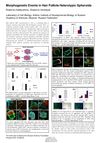
This study found that hyaluronic acid increased the size of hair follicle germ-like aggregates and the number of proliferative cells but did not maintain specific markers during the process.
September 2015 in “Veterinary Dermatology” This study found that microneedling induced nearly complete hair regrowth in two Pomeranians with alopecia X, suggesting it may be a promising alternative treatment for similar hair cycle arrest disorders.
 August 2015 in “Advances in Small Animal Medicine and Surgery”
 Low-level laser therapy may help regrow hair in dogs with non-inflammatory hair loss.
October 2004 in “Kafrelsheikh Veterinary Medical Journal” In this study, buffalo calves fed only corn silage showed deficiencies in copper, zinc, selenium, and vitamin A, along with improved physiological conditions after dietary supplementation and treatment.

This review discusses recent advances in polydopamine-based biomaterials and their growing potential in personalized medicine, but reports no new experimental results; the authors highlight both opportunities and challenges for future applications.
 December 2025 in “Applied Sciences”
 This study examined argan oil inclusion complexes with β-CD, finding that these complexes improve the antibacterial efficacy, uniformity, and mechanical performance of hair treatment formulations while enhancing the durability of bleached hair, suggesting their potential as stable and effective cosmetic ingredients.
July 2025 in “Nano Research” This review highlights the application of microneedle technology as a promising advancement in psoriasis management, focusing on its roles in enhanced transdermal drug delivery and minimally invasive biomarker monitoring, while also discussing current challenges and future research directions.
July 2025 in “Nano Research” This article discusses how designing biomaterials to modulate immune responses has become a promising strategy for enhancing tissue repair and regeneration.
April 2024 in “Journal of clinical medicine research” This review discusses seborrheic alopecia in young people, its possible link to fungal infections, and suggests that Malassezia spp. flora may play a key aetiologic role.
 January 2024 in “Journal of chemical health risks”
 In this study, gold nanoparticles-embedded ceria nanoparticles with enhanced antioxidant activities effectively reduced inflammation and colon injury in a colitis mouse model, suggesting their potential as a nano-therapeutic for inflammatory bowel disease.
February 2023 in “مجلة التراث والتصميم” This study found that choosing appropriate fabrics for hats and caps enhanced protection against sun damage and air pollution for hair in construction and manufacturing workers.
April 2022 in “International journal of green and herbal chemistry” This article discusses the green synthesis of silver nanomaterials using Tridax procumbens and reports no new clinical findings.
 October 2019 in “Skin appendage disorders”
 This study revisits and reproduces Felix Pinkus' concept of the vitreous membrane in hair follicles, suggesting these structures may play a role in differentiation or nutrition due to their location in metabolically dynamic regions.
April 2018 in “Plastic & Reconstructive Surgery Global Open” This study successfully isolated LGR6+ epithelial stem cells from rats and demonstrated their multipotency, suggesting potential for fracture healing research.
 September 2017 in “Journal of Investigative Dermatology”
 This study found that hyaluronic acid increased the size and cell proliferation of mixed aggregates in a 3D culture model, indicating its role in human hair follicle germ-like structure formation without enhancing dermal papilla cell markers.
 January 2014 in “Revista Brasileira de Cirurgia Plástica”
 This publication describes the role of the Revista Brasileira de Cirurgia Plástica in documenting and promoting advancements in plastic surgery, but does not present new research findings.
January 2014 in “cIRcle (University of British Columbia)” This research found that modifying brachytherapy seeds with contrast-enhancing materials in photoacoustic imaging increased signal-to-noise ratios and imaging depth, and demonstrated potential for tissue differentiation by analyzing temperature-induced changes in PA intensity.
 December 2013 in “Biomedical and biopharmaceutical research”
 This review discusses technological advances in liposome systems for drug delivery and reports no new clinical results; it highlights the clinical acceptance and market presence of liposomal products.
 August 2005 in “Microscopy and Microanalysis”
 Polymethylene wax in hair relaxers makes hair smooth and shiny with less damage.
 120 citations
,
November 2014 in “Biological Reviews”
120 citations
,
November 2014 in “Biological Reviews” This article explores the dynamic and energy-efficient nature of telogen hair follicles, challenging the notion of dormancy, and highlights their potential in advancing treatments for hair growth disorders.