 April 2018 in “The journal of investigative dermatology/Journal of investigative dermatology”
 This study identified a novel mechanism by which dsRNA-induced TLR3 activation and retinoic acid pathways contribute to new hair follicle formation after deep wounds in mice and suggested a similar potential in humans.
 May 2005 in “Seminars in Plastic Surgery”
 This article shares the authors' experiences with the erbium YAG laser in hair restoration surgery, noting improved graft yield and reduced thermal damage compared to traditional methods.
 April 2003 in “Journal of Cutaneous Medicine and Surgery”
 Lasers are effective for some skin conditions but can cause side effects like scarring and pigment changes; careful selection is important, and botulinum toxin type A is successful in reducing sweat in palmar hyperhidrosis.
 June 2002 in “Seminars in Cutaneous Medicine and Surgery”
 Hair transplantation has improved to more natural-looking results and is complemented by effective non-surgical treatments, with ongoing research into hair follicle cloning.

This health hazard evaluation by NIOSH identified problems with ventilation and environmental control at a resort spa, potentially contributing to reported employee health complaints.
 January 2001 in “Current problems in dermatology”
 This review discusses the evolution of hair transplantation techniques and provides guidelines for determining suitable candidates for surgery, but reports no new clinical results.
 May 1999 in “Dermatologic Surgery”
 Dr. Zitelli emphasized that "Mohs surgery" should only be called that when one doctor does both the surgery and pathology.
 June 1997 in “The American Journal of Cosmetic Surgery”
 This review discusses the evolution of hair restoration surgical techniques, emphasizing that gradual improvements to existing methods are safer than radical changes, and reports no new clinical results.
 March 1997 in “The American Journal of Cosmetic Surgery”
 A new hair transplant method showed promising results and a study found how deep a CO₂ laser can penetrate skin.
March 1996 in “The American Journal of Cosmetic Surgery” This article describes a surgical technique combining CO2 SilkTouch Laser and Calvitron Hair Transplant System that offers a natural-looking hairline with moderate session length and minimal bleeding, but reports no new clinical outcomes.
January 1994 in “Ressò de Ponent: revista de l'Ateneu Popular de Ponent” This study found no overall difference in effectiveness between fractional CO2 laser and microneedling for resistant alopecia areata, although the laser group showed a statistically significant early response in terminal hair regrowth.
 January 1989 in “Journal of The American Academy of Dermatology”
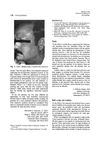
 Dr. Hanke acknowledges the success of CO₂ laser for less severe blast tattoos and suggests dermabrasion for more extensive injuries, while also discussing dermatology's media presence and issues with minoxidil research.
53 citations
,
July 2018 in “Journal of cosmetic dermatology” This review summarizes clinical and comparative trials on platelet-rich plasma in dermatology and concludes that while PRP shows significant improvements, more randomized controlled trials are needed to confirm its effectiveness for widespread use.
 44 citations
,
July 2015 in “JAMA Facial Plastic Surgery”
44 citations
,
July 2015 in “JAMA Facial Plastic Surgery” This review details the advancements and benefits of fractional erbium:YAG resurfacing lasers for treating photoaging, acne scarring, and dyschromia, but it presents no new clinical results.
34 citations
,
June 2005 in “Journal of cosmetic dermatology” This review discusses the effectiveness and potential complications of medium-depth and deep chemical peels for improving skin appearance and reports no clinical results; it highlights the need for careful procedure application.
 32 citations
,
December 2013 in “Biological & Pharmaceutical Bulletin”
32 citations
,
December 2013 in “Biological & Pharmaceutical Bulletin” In this study, rice bran supercritical CO2 extract demonstrated potential to promote hair growth in mice, increasing hair follicles and growth factor expression, similarly to 3% minoxidil.
27 citations
,
March 2011 in “JEADV. Journal of the European Academy of Dermatology and Venereology/Journal of the European Academy of Dermatology and Venereology” This study found that fractional CO(2) laser treatments led to significant improvements in eyelid skin tightening and eyebrow elevation over one year, with no significant side effects reported.
24 citations
,
September 2020 in “Pharmaceutics” In this study, solid lipid microparticles loaded with lidocaine hydrochloride were developed to effectively deliver pain relief and antimicrobial benefits for wound management, demonstrated by testing with bioengineered skin substitutes and showing effectiveness against common wound-infecting bacteria.
 23 citations
,
January 2017 in “Journal of Oleo Science”
23 citations
,
January 2017 in “Journal of Oleo Science” This review discusses the use of supercritical carbon dioxide for extracting rice bran oil, noting its advantages over conventional methods for preserving nutrients and antioxidants, but provides no new experimental results.
 11 citations
,
January 2020 in “Dermatologica Sinica”
11 citations
,
January 2020 in “Dermatologica Sinica” This study found that tofacitinib effectively promoted hair regrowth in Asian patients with severe alopecia areata, with 74.3% showing a clinical response.
9 citations
,
January 2023 in “Indian Dermatology Online Journal” This review discusses the use of aesthetic treatments for medical purposes and their therapeutic potential but provides no new clinical results.
7 citations
,
January 1998 This article reviews various cosmetic procedures like botulinum A exotoxin and chemical peels for aesthetic enhancement but reports no new clinical findings, emphasizing existing methods.
6 citations
,
January 2019 in “Journal of lasers in medical sciences” This study found that using a fractional CO2 laser in combination with minoxidil significantly increased hair count and thickness in Egyptian men with androgenetic alopecia.
3 citations
,
January 2023 in “Journal of Cosmetic Dermatology” This study found that combining Fractional CO2 laser with platelet-rich plasma led to better improvement in vitiligo treatment compared to platelet-rich plasma alone, based on patient satisfaction and lesion size reduction.
2 citations
,
January 2023 in “Biomedicines” This study found that using a combination of ablative CO₂ fractional laser and fetal fibroblast transplantation significantly reduced scarring in mice, with long-term sphere-forming cultured fibroblasts producing scar appearances closest to normal skin.
 2 citations
,
June 2022 in “Cosmoderma”
2 citations
,
June 2022 in “Cosmoderma” This review discusses regenerative medicine's applications in dermatology, highlighting the need for quality clinical trials to optimize treatments like PRP, stem cells, and exosomes, and reports no new results.
 2 citations
,
January 2022 in “Lasers in Medical Science”
2 citations
,
January 2022 in “Lasers in Medical Science” This pilot study reported significant improvement in hair restoration and patient satisfaction with the use of fractional carbon dioxide laser followed by platelet-rich plasma, showing greater hair density increases using higher laser pulse energy settings in individuals with androgenetic alopecia.
1 citations
,
May 2025 in “Carbohydrate Polymers” The new chitosan dressing heals wounds better and faster than current products.
 1 citations
,
July 2023 in “Journal of Clinical Medicine”
1 citations
,
July 2023 in “Journal of Clinical Medicine” This review provides a detailed overview of the causes, prevalence, pathophysiology, clinical presentation, and treatment of beard alopecia, highlighting conditions such as alopecia areata, pseudofolliculitis barbae, and tinea barbae, and aims to serve as a resource for clinicians handling such cases.
1 citations
,
April 2023 in “The Egyptian Journal of Hospital Medicine” This review found that combining platelet-rich plasma with microneedling may enhance recovery and reduce toxicity in treating atrophic post-acne scars.