25 citations
,
September 2014 in “SpringerPlus” This study found that sheep possess a polymorphic KAP8-2 gene that shares high sequence identity with the KAP8-2 gene in goats and reindeer.
January 2012 in “Zhongguo nongye Kexue” This study concluded that transgenic somatic cell nuclear transfer technology can produce cashmere goat blastocysts carrying the K2.9 gene using specific fibroblast cells and activation methods.
March 2026 in “World Rabbit Science” This study found that overexpression and knockdown of DKK4 influence genes involved in hair follicle growth and development in Angora rabbits and identified specific SNPs in DKK4 associated with wool quality, notably showing that the TT/GG haplotype combination relates to higher fibre diameters.
 75 citations
,
October 2010 in “Mammalian genome”
75 citations
,
October 2010 in “Mammalian genome” In this study, specific genetic polymorphisms in the KRT71 gene were associated with hairless and curly phenotypes in Sphynx and Devon Rex cats.
 January 2025 in “Nature Communications”
 This study discovered that calcium dependent protein kinase 1 (CPK1) directly activates cyclic nucleotide-gated channels 5, 6, and 9, promoting root hair growth in Arabidopsis by regulating Ca²⁺ signaling.
 25 citations
,
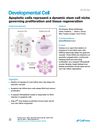
June 2021 in “Developmental Cell”
25 citations
,
June 2021 in “Developmental Cell” In this study, researchers found that deleting Caspase-9 in hair follicle stem cells delayed apoptosis, leading to accelerated wound repair and new hair follicle regeneration by maintaining apoptotic cells as signaling centers.
152 citations
,
April 2002 in “The journal of investigative dermatology/Journal of investigative dermatology” This study presents evidence that keratitis–ichthyosis–deafness syndrome is caused by a mutation in the connexin 26 gene, expanding the gene's known involvement in various disorders.
January 2022 in “Mammalian Genome” This study found that the wavy coat trait in Nakano cataract mice is polygenic, involving major and minor genes, and resembles human curly scalp hair associated with the PRSS53 gene alteration.
9 citations
,
April 1999 in “Mammalian Genome” This study reports that the acidic and basic keratin gene clusters in dogs are located on chromosomes CFA9 and CFA27, respectively, similar to genetic arrangements in humans and mice.
 18 citations
,
August 2018 in “The FASEB journal”
18 citations
,
August 2018 in “The FASEB journal” This study found that Hoxc13-/- rabbits exhibit complete hair loss on the head and dorsum, providing a potential model for understanding human ECTD-9 and related dermatological conditions.
12 citations
,
February 2017 in “Journal of neuroscience research” This study suggests that extrasynaptic δGABA-A receptors may have a protective role in modulating the severity of catamenial-like seizures by influencing neurosteroid and benzodiazepine responses in mice.
15 citations
,
September 2009 in “European Journal of Histochemistry” This study found that CD90+ cells, resembling mesenchymal stem cells, are abundantly present in the lower part of anagen hair follicles in dogs.
April 2021 in “The journal of investigative dermatology/Journal of investigative dermatology” This study found that CTCF is crucial for proper skin and hair follicle development in mice, affecting keratinocyte differentiation and gene expression in keratin loci.
 April 2019 in “The journal of investigative dermatology/Journal of investigative dermatology”
 In this study, the researchers observed significant metabolic dysregulation in central centrifugal cicatricial alopecia, particularly involving lipid metabolism and the downregulation of AMPK-related genes.
2 citations
,
August 2022 in “Animals” In this study, a specific genetic variant of KRTAP6-2 in Longdong cashmere goats was associated with finer cashmere fiber diameter, suggesting its potential as a molecular marker for breeding improvements.
 6 citations
,
July 2023 in “Nature cell biology”
6 citations
,
July 2023 in “Nature cell biology” In this study, re-activating SOX9 in adult epidermal stem cells led to a fate switch towards hair follicle stem cell identity, with altered chromatin dynamics and oncogenic activation, contributing insights into developmental processes and cancer pathways.
 May 2024 in “Animal genetics”
 The researchers investigated a Maine Coon cat with suspected classical Ehlers-Danlos Syndrome and discovered a heterozygous deletion in the COL5A1 gene, underscoring the value of whole-genome sequencing for precise veterinary diagnostics.
 April 2018 in “Journal of Investigative Dermatology”
 This study found that IL-9 influences the behavior of human primary keratinocytes by promoting motility while reducing invasion potential through a novel mechanism independent of matrix-metalloproteinases.
March 2007 in “Journal of Cell Science” This study found that keratin K1014chim expression in mice did not reduce epidermal cell proliferation but increased susceptibility to benign tumors, challenging previous beliefs about K10's role in inhibiting tumor development.
 10 citations
,
September 2022 in “Cellular and Molecular Life Sciences”
10 citations
,
September 2022 in “Cellular and Molecular Life Sciences” This review discusses the roles of the transcription factor SOX9 in organ development and maintenance, providing insights into its regulation and diverse functions, but reports no new experimental results.
 1 citations
,
August 2023 in “The journal of pharmacology and experimental therapeutics/The Journal of pharmacology and experimental therapeutics”
1 citations
,
August 2023 in “The journal of pharmacology and experimental therapeutics/The Journal of pharmacology and experimental therapeutics” This study developed a new method to analyze Cantú syndrome mutations in KATP channels, finding that while Kir6.1 mutations increase sensitivity to potassium channel openers, SUR2B mutations show reduced sensitivity, but both result in marked hyperpolarization compared to wild-type channels under basal conditions.
 20 citations
,
May 2007 in “Asian-Australasian Journal of Animal Sciences”
20 citations
,
May 2007 in “Asian-Australasian Journal of Animal Sciences” This study found that polymorphisms in the KAP8.2 gene in Chinese Inner Mongolia cashmere goats are associated with variations in cashmere fibre diameter, suggesting its potential as a molecular marker for this trait.
This paper offers detailed tables of genotypic and phenotypic data on horses, including markers, variants, and haplotypes, but reports no new research results.
 April 2016 in “Journal of Investigative Dermatology”
 This study suggests that dsRNA may enhance KRT9 expression in palm and sole skin through β-catenin signaling, potentially linking mechanical damage to specific skin features and certain skin conditions.
 64 citations
,
July 2016 in “Journal of Immunology”
64 citations
,
July 2016 in “Journal of Immunology” In this study, blocking the CXCR3 receptor in mice prevented the development of alopecia areata by inhibiting the accumulation of specific T cells in the skin, suggesting a potential therapeutic approach for humans.
January 2011 in “Anhui nongye kexue” This study reports that the recombinant expression vector pcDNA3.1-KK demonstrates specific expression in the skin of newborn mice.
 84 citations
,
March 2004 in “Veterinary Dermatology”
84 citations
,
March 2004 in “Veterinary Dermatology” In randomized controlled trials, this research reports that cyclosporin is as effective as glucocorticoids for treating canine atopic dermatitis and has potential benefits for other immune-mediated skin conditions in dogs.
40 citations
,
July 2019 in “Journal of Investigative Dermatology” In this study, knockout mice lacking the Cyp4f39 gene showed severe skin barrier dysfunction and high early mortality, suggesting its critical role in skin barrier formation and insights into ichthyosis pathogenesis.
 5 citations
,
October 2015 in “The American journal of pathology”
5 citations
,
October 2015 in “The American journal of pathology” This study found that a spontaneous deletion in the Dsg3 gene of mice leads to hypomorphic desmoglein 3 expression, resulting in severe immunodeficiency, cyclic hair loss, and wasting disease, without causing the blistering typical of pemphigus vulgaris.
January 2026 in “Human Mutation” This study reports that a clinical prognostic model based on immune-related genes improved survival prediction for patients with clear cell renal cell carcinoma, also identifying potential drugs targeting the gene DOCK8.