 July 2024 in “PLANT PHYSIOLOGY”
 In this study on Arabidopsis, the researchers identified CIPK13 and CIPK18 as crucial genes for root hair growth, finding that deficiencies in these genes resulted in shorter root hairs and reduced growth rates due to altered calcium oscillations.
9 citations
,
September 2013 in “Journal of Applied Animal Research” This study identified eight alleles of the caprine KAP13-3 gene in cashmere goats, which could influence gene expression and cashmere fiber characteristics.
99 citations
,
February 2000 in “PubMed” This study found that overexpression of PKCepsilon in transgenic mice reduced papilloma development but accelerated carcinoma formation in a skin tumor promotion model.
3 citations
,
October 2024 in “Animals” This study identified three genes in the ovine KAP13 family on chromosome 1 and found that a specific allele of KRTAP13-2 is associated with improved wool fibre diameter uniformity in Chinese Tan sheep, suggesting its potential use as a marker for enhancing wool traits.
28 citations
,
January 2015 in “Journal of Cell Science” In this study, PINCH-1 gene loss in mouse epidermis led to detachment from the basement membrane, thickened skin, and hair loss, with findings suggesting PINCH-1 plays a role in keratinocyte adhesion through both ILK and EPLIN pathways.
9 citations
,
February 2001 in “Journal of Dermatological Science” This study found that the expressions of CDK inhibitors p21waf1/cip1 and p27kip1 were higher during the anagen phase compared to telogen, suggesting a role in follicular epithelial cell differentiation.
26 citations
,
January 2011 in “Open Journal of Genetics” In this study, researchers identified five unique sequences of the ovine KAP13-3 gene, with potential implications for wool traits due to observed amino acid changes.
 March 1998 in “Journal of dermatological science”
 Diphencyprone initially increases mouse hair growth, then slows it, possibly due to changes in specific protein levels.
 3 citations
,
July 2021 in “Life science alliance”
3 citations
,
July 2021 in “Life science alliance” This study observed that disrupting the Pnkp gene in adult mice resulted in a premature aging-like phenotype, suggesting PNKP's vital role in maintaining normal growth and survival of certain progenitor cell populations.
 January 2025 in “Nature Communications”
 This study discovered that calcium dependent protein kinase 1 (CPK1) directly activates cyclic nucleotide-gated channels 5, 6, and 9, promoting root hair growth in Arabidopsis by regulating Ca²⁺ signaling.
10 citations
,
August 2010 in “Hereditas (Beijing)” This review summarizes the role of Hoxc13 in regulating hair follicle development and growth, noting its influence on keratin and keratin-associated proteins, and reports no new experimental findings.
47 citations
,
September 2012 in “Human molecular genetics online/Human molecular genetics” This study suggests that the interaction between folliculin and plakophilin-4 (p0071) may play a role in folliculin's tumor suppressor function by regulating RhoA signaling, impacting cell migration and junction formation.
 April 2016 in “The journal of investigative dermatology/Journal of investigative dermatology”
 The researchers reported that disrupting the RPGRIP1L gene in mice impaired desmosome function, causing skin blistering, and their findings suggest that PKCβII inhibition could help treat pemphigus.
 April 2017 in “Journal of Investigative Dermatology”
 This study suggests that PKCß plays a critical role in modulating the dermal inflammatory microenvironment in response to dietary lipids in mice.
79 citations
,
October 2003 in “PubMed” In this study, PKCepsilon transgenic mice showed increased TNFalpha shedding during skin tumor promotion, which may contribute to the development of metastatic squamous cell carcinoma.
 April 2023 in “The journal of investigative dermatology/Journal of investigative dermatology”
 This study found that an E-cadherin mutant preserved normal cadherin levels and prevented inflammation and lethality in mouse skin lacking p120, highlighting p120's role in regulating cadherin-mediated cell adhesion and inflammation.
1 citations
,
April 2025 in “Animals” In this study, nucleotide sequence variation in the KRTAP13-3 gene was associated with changes in heterotypic hair fibre diameter variation in Chinese Tan sheep.
 59 citations
,
May 2017 in “Scientific reports”
59 citations
,
May 2017 in “Scientific reports” This study found that ZDHHC13 deficiency in mice is associated with abnormal liver function, lipid metabolism issues, and impaired mitochondrial function, highlighting ZDHHC13's regulatory role in liver metabolism.
 April 2026 in “npj Parkinson s Disease”
 This study found that VPS13C variants are significantly enriched in patients with idiopathic REM sleep behavior disorder (iRBD), associating these variants with more severe symptoms, autonomic dysfunction, and faster progression from iRBD to overt α-synucleinopathy in the iRBD-first disease subtype.
 3 citations
,
June 2022 in “European journal of human genetics”
3 citations
,
June 2022 in “European journal of human genetics” This study reports the first cases of recessive KRT17-related pachyonychia congenita involving all ectodermal derivatives in seven members of two consanguineous Pakistani families.
51 citations
,
December 2006 in “Mammalian Genome” February 2026 in “Pediatric Dermatology”  January 2025 in “Cellular and Molecular Biology”
 This study found that in Liaoning cashmere goats, overexpression of the PIP5K1A gene enhances skin fibroblast proliferation, while interference with this gene reverses melatonin-induced proliferation, and PIP5K1A regulates certain miRNA expressions, suggesting a role in improving cashmere yield and quality.

This study found that Plakophilin 1 regulates innate immune responses in keratinocytes by controlling RNA helicase activity, balancing inflammation during epidermal immune challenges.
46 citations
,
September 2007 in “Journal of Investigative Dermatology” January 2022 in “Mammalian Genome” This study found that the wavy coat trait in Nakano cataract mice is polygenic, involving major and minor genes, and resembles human curly scalp hair associated with the PRSS53 gene alteration.
135 citations
,
October 1999 in “Journal of Cell Science” This study found that overexpression of PKCα in mouse epidermis increases expression of specific proinflammatory mediators and induces inflammation but does not significantly affect epidermal differentiation, proliferation, or tumor promotion with TPA.
 18 citations
,
February 2015 in “Acta Crystallographica Section D: Structural Biology”
18 citations
,
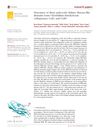
February 2015 in “Acta Crystallographica Section D: Structural Biology” This study reports that Ca 2+ binding alters the dynamics and surface properties of PKD-like domains in Clostridium histolyticum collagenases, enhancing their stability and potentially aiding in collagen-targeting vehicle development.
 February 2016 in “The journal of allergy and clinical immunology/Journal of allergy and clinical immunology/The journal of allergy and clinical immunology”
 This study reports a novel mutation in the TP63 gene associated with T and B cell lymphopenia in an EEC patient, suggesting that EEC diagnosis should include TREC assay and evaluation for immunodeficiency.
74 citations
,
October 2012 in “The American Journal of Human Genetics” This study found that loss-of-function mutations in the HOXC13 gene cause autosomal-recessive pure hair and nail ectodermal dysplasia, emphasizing its role in hair and nail development.