18 citations
,
February 2017 in “Molecular Medicine Reports” This study found that the Notch signaling pathway is suppressed in basal cell carcinomas and highly expressed in hair follicles, suggesting it might be a target for treatment strategies.
July 2024 in “Journal of Investigative Dermatology” June 2026 in “Journal of Investigative Dermatology” This study reported that the anti-γc antibody hC2 restored hair follicle homeostasis and suppressed hair loss in an AA-like mouse model by inhibiting autoreactive T-cell activity, suggesting that hC2 may offer a safer and more effective treatment for alopecia areata compared to current Jak inhibitors.
 September 2025 in “Experimental & Molecular Medicine”
 This study observed that the small molecules KY19382 and KY19334 inhibited cancerous traits in human cutaneous squamous cell carcinoma cells by suppressing the Wnt/β-catenin pathway, indicating their potential as treatments for cancers involving CDK1 overexpression and diseases related to CXXC5 accumulation.
 November 2020 in “Journal of The American Academy of Dermatology”
 This study examined dermoscopic features in African-American women with different types of alopecia and found that a perifollicular pink blush, potentially indicating inflammation, was common, particularly resolved with anti-inflammatory treatment, suggesting dermoscopy could aid in management.
66 citations
,
February 2013 in “PeerJ” This study found that CB1 activation by a specific agonist led to decreased expression of keratins K6 and K16 in human skin and inhibited keratinocyte proliferation, suggesting potential for cannabinoid receptors in psoriasis management.
 15 citations
,
November 2022 in “Cell Death and Disease”
15 citations
,
November 2022 in “Cell Death and Disease” In this study, the researchers identified CEP135 as a biomarker linked to poor sarcoma survival and suggested PLK1 as a potential therapeutic target for sarcoma patients with high CEP135 expression.
 January 2025 in “Recent Patents on Anti-Cancer Drug Discovery”
 In this study, neoadjuvant treatment with durvalumab combined with albumin-bound paclitaxel and carboplatin in patients with driver gene-negative stage III NSCLC showed a 65% objective response rate and was associated with high pathological response rates and improved immune function, with most adverse events being mild.
 72 citations
,
January 2003 in “American Journal of Pathology”
72 citations
,
January 2003 in “American Journal of Pathology” This study found that the co-activator CBP enhances the agonistic action of hydroxyflutamide on androgen receptors, suggesting a mechanism for therapy resistance in prostate cancer.
 April 2023 in “Journal of Investigative Dermatology”
 This study found that in biopsied skin samples of alopecia areata, a lower anagen/telogen ratio was associated with increased T cell infiltration, and enhancing the PD-1/PD-L1 axis may inhibit CD8+T cell infiltration and improve the condition.
 June 2026 in “Strathprints: The University of Strathclyde institutional repository (University of Strathclyde)”
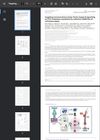
 In this study, researchers found that inhibiting IKKα in patient-derived CCS tumour models reduces tumour viability, supporting the potential for topical IKKα inhibitors as a treatment for CCS.
 11 citations
,
October 2001 in “Dermatologic Clinics”
11 citations
,
October 2001 in “Dermatologic Clinics” In this study, subcutaneous recombinant human IL-12 showed a 43% partial response rate in early-stage mycosis fungoides patients refractory to previous treatments, with generally mild to moderate adverse events reported.
April 2021 in “Journal of Investigative Dermatology”  31 citations
,
February 2014 in “Inflammation Research”
31 citations
,
February 2014 in “Inflammation Research” This study found that reduced expression of CD200R1 on monocyte-derived macrophages in rheumatoid arthritis patients was significantly associated with higher disease severity and an imbalance in Th17/Treg cells.
 64 citations
,
July 2016 in “Journal of Immunology”
64 citations
,
July 2016 in “Journal of Immunology” In this study, blocking the CXCR3 receptor in mice prevented the development of alopecia areata by inhibiting the accumulation of specific T cells in the skin, suggesting a potential therapeutic approach for humans.
November 2025 in “Journal of Investigative Dermatology” TEDAR is crucial for skin cell differentiation and barrier formation.
 February 2025 in “PubMed”
 In this study, researchers evaluated CS12192, a selective JAK3 inhibitor, in an alopecia areata mouse model and found it reversed hair growth inhibition comparably to baricitinib, with better safety and similar immune-modulating mechanisms.
32 citations
,
January 2020 in “Journal of Molecular Histology” This research identified K31 as a new marker for distinguishing clear secretory cells in human eccrine sweat glands, aiding in differentiating between distinct cell types within these glands.
9 citations
,
May 2022 in “Actas Dermo-Sifiliográficas” This study found that basal cell carcinoma exhibits altered expression patterns of CD10, p63, BCL-2, and EMA proteins compared to normal skin, with notable differences in staining and reactivity.
This study observed two distinct groups of alopecia areata lesions based on PD-1 expression in T cells from biopsied skin samples, suggesting potential differences in subtypes or stages of the disease that warrant further investigation.
21 citations
,
December 1994 in “Journal of Investigative Dermatology” 37 citations
,
February 2007 in “Experimental Dermatology” This study found that PDCD4 protein expression is reduced in various skin cancers compared to normal skin, suggesting its potential role in preventing or treating certain skin cancers.
23 citations
,
December 2013 in “Molecular cancer therapeutics” This study found that AR-positive breast cancer cell lines are more sensitive to the dual PI3K/mTOR inhibitor NVP-BEZ235 compared to AR-negative cells.
 April 2023 in “Cancer research”
 This study suggests that KRTAP2-3 may serve as a novel biomarker to identify cells in the polyaneuploid cancer cell state, which is linked to therapy resistance and poor prognosis in prostate cancer.
 March 2011 in “European Urology Supplements”
 CEC levels may be a useful marker for predicting prostate cancer progression.
September 2022 in “European Journal of Dermatology” This study identified a novel pathogenic splice-site variant of the LAMB3 gene in patients with junctional epidermolysis bullosa, highlighting the importance of gene sequencing for diagnosis.
Results are not reported in this abstract, which notes that while Janus kinase inhibitors like baricitinib show therapeutic benefits for alopecia areata, the mechanisms and reliable predictors of response remain unclear.
1 citations
,
July 2024 in “Journal of Investigative Dermatology” TAK-279 effectively reduces psoriasis symptoms and is safe.
17 citations
,
July 2024 in “Frontiers in Oncology” This review discusses recent advances in understanding Merkel cell carcinoma biology, including the development of genetically-engineered mouse models and potential therapeutic targets, but reports no new clinical results.
 93 citations
,
May 2010 in “European Journal of Cancer”
93 citations
,
May 2010 in “European Journal of Cancer” This phase II trial found that BI 2536 demonstrated limited antitumor activity across five solid tumor types, with no confirmed objective responses observed.