 8 citations
,
April 1965 in “Archives of biochemistry and biophysics”
8 citations
,
April 1965 in “Archives of biochemistry and biophysics” This study found that sheep wool follicles actively oxidize acetate and glucose, suggesting the involvement of the TCA cycle for compound synthesis and the potential role of the pentose phosphate pathway in ribose production for RNA and DNA.
October 2024 in “JURNAL ILMU KEFARMASIAN INDONESIA” This study found that the F6 formulation of a hair tonic containing EDS and ATG extracts produced the most significant hair growth in rabbits, without causing skin irritation and remaining stable throughout the observation period.
 26 citations
,
October 2017 in “Scientific reports”
26 citations
,
October 2017 in “Scientific reports” This study found that a bacterial endophyte from Zea nicaraguensis effectively targets and colonizes plant root hair cells, promoting growth and solubilizing insoluble phosphorus for nutrient uptake.
 24 citations
,
October 2022 in “Revista Brasileira de Farmacognosia”
24 citations
,
October 2022 in “Revista Brasileira de Farmacognosia” This review discusses the pharmacological actions of mangiferin and the potential of delivery carriers to overcome its limitations, but reports no new clinical results.
 September 2025 in “ACS Applied Materials & Interfaces”
 The researchers reported that a newly developed photo-cross-linked hydrogel with multifunctional properties, including antimicrobial and antioxidant effects, significantly improved diabetic wound healing, achieving over 90% wound closure in seven days in vivo.
April 2016 in “Pharmaciana” This study found that a combination of liquorice and aloe vera extracts, particularly combination 1, resulted in the most optimal hair growth in rabbits over a 28-day period.
January 2026 in “Romanian Journal of Military Medicine” This study found that both Lactobacillus casei extract and Newcastle disease virus significantly reduced cell viability and induced apoptosis in human colorectal cancer cells, suggesting these agents could complement standard chemotherapy and radiotherapy after further clinical trials.
2 citations
,
January 2023 in “Brazilian Journal of Development” This report describes a Sapajus nigritus investigated for multiparasitism after rescue from illegal home possession, highlighting public health and biodiversity conservation concerns related to human-primate proximity.
 October 2022 in “Legume Research”
 This study developed a protocol for callus induction and found that certain hormone concentrations enhance the production of flavonoids, phenols, and terpenes in Bituminaria bituminosa.
27 citations
,
October 2020 in “Drugs” This article reviews the development milestones of clascoterone up to its first approval for treating acne vulgaris, reporting no new clinical results for androgenetic alopecia.
 July 2021 in “Research Square (Research Square)”
 In this study, the ethyl acetate extract of Semecarpus anacardium Linn leaves was reported to induce cytotoxicity in cancer cells, cause cell cycle arrest, and suppress tumor growth in mice.
 December 2024 in “Journal of Contemporary Medical Practice”
 This paper examines six famous traditional Chinese medicine prescriptions, exploring their use in treating alopecia based on Zhang Zhongjing's texts, and aims to provide new clinical treatment ideas for hair loss.
 9 citations
,
December 2022 in “Antibiotics”
9 citations
,
December 2022 in “Antibiotics” This study found that coconut seed extract may effectively treat scabies in rabbits by improving infection signs and causing high mite mortality, suggesting its potential as a cost-effective herbal alternative.
16 citations
,
May 2020 in “Plant Growth Regulation”  23 citations
,
January 2017 in “Journal of Oleo Science”
23 citations
,
January 2017 in “Journal of Oleo Science” This review discusses the use of supercritical carbon dioxide for extracting rice bran oil, noting its advantages over conventional methods for preserving nutrients and antioxidants, but provides no new experimental results.
 6 citations
,
May 2022 in “Research and reports in urology”
6 citations
,
May 2022 in “Research and reports in urology” This study found that Caesalpinia bonduc seed extracts significantly reduced prostate weight and improved prostate tissue morphology in Wistar rats with testosterone-induced benign prostatic hyperplasia.
12 citations
,
April 2005 in “Journal of Herbs Spices & Medicinal Plants” This review examines the uses and potential of horse chestnut derivatives in dermatology and pharmacology, but reports no new findings; it highlights the need for further research on cultivation and composition.
This article describes the use of Croton tiglum seeds and Zingiber officianalis extract in treating alopecia areata with significant results, but does not report new clinical findings.
 August 2017 in “International journal of Ayurvedic and herbal medicine”
 This review discusses the Ayurvedic perspectives on Bhallataka, noting its detoxified forms may have various therapeutic properties, but reports no new clinical findings.
August 2026 in “Tạp chí Dược liệu” In this study, Curcuma longa, Eclipta prostrata, and Pogostemon cablin extracts were found to significantly promote human dermal papilla cell proliferation, while Chrysanthemum indicum and Eclipta prostrata exhibited strong antioxidant activities, indicating their potential for hair growth-promoting formulations.
7 citations
,
September 2019 in “Journal of Investigative Dermatology” March 2023 in “Natural product sciences” This study demonstrated that Celtis choseniana Nakai may help alleviate androgenic alopecia by enhancing hair regrowth and activating Wnt/β-catenin signaling in both a mouse model and cultured human cells.
April 2019 in “Journal of the Endocrine Society” This case report suggests that a supplement containing biotin, beta carotene, vitamin C, zinc, and copper may improve insulin resistance markers and hair loss in a patient with non-classic 11-hydroxylase deficiency.
 58 citations
,
January 2003 in “Biological & Pharmaceutical Bulletin”
58 citations
,
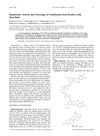
January 2003 in “Biological & Pharmaceutical Bulletin” This study identified novel compounds from Bombax ceiba stem bark, including shamimicin, with potent hypotensive effects, and reported that a specific fraction had adverse effects on heart, liver, and kidneys in mice.
This study found that treating tobacco roots with specific peptides like Gly, GlyGly, and GlyAsp significantly increased root hair development and influenced gene expression, potentially through an epigenetic mechanism.
This literature review suggests that Cyperus rotundus L extract is a promising natural agent for promoting hair growth due to its bioactive compounds and mechanisms of action, but emphasizes the need for further human clinical trials to confirm its safety and effectiveness.
 December 2025 in “Zenodo (CERN European Organization for Nuclear Research)”
 In this review, researchers examined Tridax procumbens for its pharmacological and phytochemical potential, highlighting its diverse medicinal benefits, low toxicity, and the presence of bioactive compounds, positioning it as a promising candidate for developing safe and affordable plant-based therapeutics.

In this study, applying Yeast Constituent Extract twice daily for six months significantly improved hair growth and increased growth factor contents in patients with androgenic alopecia.
September 2025 in “Discover Chemistry.” This review explores the phytopharmacological and nutritional benefits of Alpinia rhizomes, commonly used in Southeast Asian traditional medicine, highlighting their potential antioxidant, antimicrobial, and anti-inflammatory properties while emphasizing the need for further research to validate these uses and consider their nutraceutical and pharmaceutical applications.
 March 2026 in “Zenodo (CERN European Organization for Nuclear Research)”
 This review highlights the potential of rice water, traditionally used in Asian skincare and haircare, due to its nutritional and bioactive components that may improve skin hydration and hair health, supported by its antioxidant, anti-inflammatory, antimicrobial, and anti-aging properties.