 December 2025 in “Universities Journal of Phytochemistry and Ayurvedic Heights”
 This study highlights a comprehensive approach for authenticating and assessing the quality of herbal medicines using a combination of physiological, morphological, and molecular techniques, including HPTLC, ICP-MS, UV spectroscopy, and DNA barcoding, to ensure the standardization of herbal medicinal products, particularly Eclipta alba.
 September 2018 in “Asian journal of pharmacy and pharmacology”
 This review discusses the nutritional and therapeutic benefits of honey based on its botanical origin, and it reports no new clinical results, instead calling attention to its varied uses and potential health impacts.
 September 2023 in “Medical lasers”
 In this study, using a shampoo with Morus alba root extract over 12 weeks increased hair density and shaft thickness in patients with mild to moderate non-scarring alopecia, with both investigators and participants noting visible improvements and moderate satisfaction.
 6 citations
,
November 2017 in “Skin appendage disorders”
6 citations
,
November 2017 in “Skin appendage disorders” This study found that a new topical botanical lotion significantly increased hair density and improved quality of life in women with androgenetic alopecia over 24 weeks.
 15 citations
,
November 2015 in “Journal of Cosmetic Dermatology”
15 citations
,
November 2015 in “Journal of Cosmetic Dermatology” This study reviews existing literature on botanicals for androgenetic alopecia, noting a growing interest and emphasizing research on hair growth stimulants, especially involving green tea and other specific botanicals.
 April 2026 in “Frontiers in Pharmacology”
 This review systematically evaluates Erzhi Pill's formulation, therapeutic potential, and challenges, exploring its traditional applications and modern prospects for developing integrated quality control and precise medical strategies.
 January 2002 in “Journal of Toxicology-cutaneous and Ocular Toxicology”
 Botanical extracts are increasingly important in cosmetics and drugs for their effectiveness and safety, backed by traditional use and scientific evidence.
 November 2025 in “Frontiers in Pharmacology”
 This mini-review examines ethnopharmacological approaches to manage hair loss in postmenopausal women, highlighting promising botanical remedies like saw palmetto, rosemary oil, and ginseng. The authors underscore a need for more interdisciplinary trials and focus on traditional remedies' multifaceted benefits, while noting gaps in menopausal-specific evidence.
 3 citations
,
June 2022 in “Dermatology and therapy”
3 citations
,
June 2022 in “Dermatology and therapy” This case report found that a novel botanical treatment halted disease progression and promoted hair regrowth in four patients with lichen planopilaris, indicating potential for use as a safe alternative therapy.
This study tested a novel cryo-carboxy dispensing device for treating androgenetic alopecia in six volunteers and found an unexpectedly rapid and positive response, with significant hair regrowth observed by day 90, prompting early conclusion of the trial.
 January 2009 in “Elsevier eBooks”
 This chapter reviews botanical treatments for polycystic ovary syndrome, discussing potential benefits but presenting no new clinical results; it emphasizes the use of botanicals for managing symptoms like anovulation, insulin resistance, and inflammation.
 1 citations
,
March 2022 in “Journal of Ayurvedic and Herbal Medicine”
1 citations
,
March 2022 in “Journal of Ayurvedic and Herbal Medicine” This study documents the therapeutic uses of 15 plant species for various ailments in the Bondla area of Goa, drawing on knowledge from local healers and elderly residents.
 January 2015 in “Hair therapy & transplantation”
 This review discusses natural and botanical products examined for treating alopecia and reports no clinical results; the authors note growing research interest in these treatments.
 34 citations
,
July 2011 in “Journal of Dermatological Treatment”
34 citations
,
July 2011 in “Journal of Dermatological Treatment” This study found that a combination of 5% hexane extract of Curcuma aeruginosa and 5% minoxidil slowed hair loss and increased hair growth in men with androgenetic alopecia.
 September 2022 in “Ciencia Unemi”
 This review found that while many medicinal plants show potential antiviral and other therapeutic effects against COVID-19 based on prior studies, more rigorous clinical trials are needed to confirm their efficacy and safety.
 2 citations
,
August 2020 in “Cosmetics”
2 citations
,
August 2020 in “Cosmetics” This study reported unexpected positive results in two males with androgenetic alopecia using a cyclodextrin-enabled, natural-based formula over 270 days, showing marked hair thickening and reduced scalp hair loss.
 March 2024 in “International Research Journal Of Modernization In Engineering Technology And Science”
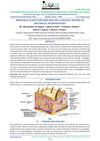
 This review highlights the beneficial effects of certain herbal drugs in treating skin diseases, such as their healing, antifungal, antiviral, antibacterial, anti-inflammatory, and antitumor-promoting activities, emphasizing recent technical advancements in the field over the past 17 years.
 November 2024 in “International Journal of Cosmetic Science”
 This study demonstrated that several botanical extracts possess antioxidant properties, reducing oxidative stress and lipid oxidation in scalp treatments, with rosemary extract showing potential to improve scalp condition in a 4-week consumer trial.
March 2022 in “Journal of cosmetic dermatology” In this case study, a 6-year-old child with autosomal recessive woolly hair showed significant hair growth and sustained improvement with a 4-year combination treatment of botanical extracts, though the precise mechanisms need further research.
 2 citations
,
November 2022 in “Frontiers in Pharmacology”
2 citations
,
November 2022 in “Frontiers in Pharmacology” This study systematically documented the ethnobotanical and ethnomedicinal knowledge from traditional healers in Addis Ababa, identifying 81 medicinal plants, including the endangered Echinops kebericho, used primarily for treating skin and general diseases.
 43 citations
,
October 2008 in “Indian Journal of Plastic Surgery”
43 citations
,
October 2008 in “Indian Journal of Plastic Surgery” This narrative review explores the historical use and significance of cosmetics in ancient India, detailing various formulations and botanical ingredients documented in Ayurvedic texts, but it reports no new research findings.
 May 2024 in “International Journal For Multidisciplinary Research”
 The study developed a hair cream using extracts from plants like Hibiscus rosa sinensis and Nigella sativa, reporting that it may protect the scalp and hair by providing antimicrobial effects, promoting hair growth, and preventing hair fall and graying.
 May 2024 in “Indian journal of pharmacy and pharmacology”
 This in-vitro study reported that a luliconazole-based formulation improved hair cuticle integrity and was more effective than ketoconazole in repairing damaged hair after 5 and 10 washes, with sensory analysis supporting these results. Further human studies are needed to confirm its clinical effects.
 1 citations
,
May 2019 in “Frontiers in Pharmacology”
1 citations
,
May 2019 in “Frontiers in Pharmacology” The book provides detailed information on natural ingredients in beauty products and emphasizes the need for more human trials to confirm their effectiveness.
 16 citations
,
September 2015 in “Journal of Ethnopharmacology”
16 citations
,
September 2015 in “Journal of Ethnopharmacology” This review examines the long-standing use of "Dictamnus" in traditional medicine, highlighting the promising potential of D. albus and D. hispanicus as herbal drug candidates, but presents no new experimental findings.
3 citations
,
August 2024 in “Cosmetics” This study found that a 12-week regimen of a botanical supplement significantly improved skin and scalp health in women exposed to high pollution, enhancing factors like skin radiance, moisturization, and reducing wrinkle depth and scalp redness compared to a placebo.
1 citations
,
November 2023 in “Acta Dermato Venereologica”  February 2026 in “International Journal of Advanced Research in Science Communication and Technology”
 In this review, researchers explored the potential of herbal shampoos as effective and safe alternatives to conventional anti-dandruff treatments, highlighting that polyherbal formulations may offer comparable or superior benefits with fewer side effects.
 October 2025 in “International Journal of Innovative Research in Technology”
 In this study from IJIRT, researchers evaluated teaching programs focused on enhancing waste management knowledge among women, assessing the effectiveness of these educational initiatives.
 June 2026 in “Current Issues in Molecular Biology”
 In this study, a botanical extract and minoxidil showed similar effects in vitro by reducing pro-inflammatory cytokines and 5α-reductase expression while increasing growth factors VEGF and KGF in human keratinocyte cells, suggesting potential for further in vivo research.