 August 2026 in “Zenodo (CERN European Organization for Nuclear Research)”
 This study developed a herbal hair serum using Embelia ribes seed extract, finding it exhibited promising antifungal properties and appropriate characteristics for scalp application, indicating potential as a natural hair care product.
 November 2024 in “International Journal of Cosmetic Science”
 This study demonstrated that several botanical extracts possess antioxidant properties, reducing oxidative stress and lipid oxidation in scalp treatments, with rosemary extract showing potential to improve scalp condition in a 4-week consumer trial.
 March 2026 in “Molecules”
 In this laboratory study, researchers reported that Camellia sinensis seed flavonoids significantly reduced oxidative stress and inflammation in UV-irradiated skin cells by modulating key signaling pathways, highlighting its potential as a skincare ingredient for anti-inflammatory and anti-photoaging benefits.
January 2026 in “National Journal of Maxillofacial Surgery” In this study, the application of hibiscus hair oil combined with Gua-sha improved eyebrow hair rejuvenation more effectively than hibiscus oil alone in female participants, enhancing microcirculation and aesthetic features after 30 days.
1 citations
,
January 2022 in “Food & Function” This study found that fruit extracts from certain Egyptian Sabal species demonstrated significant anti-androgenic activity and potential therapeutic effects against benign prostatic hyperplasia in rat models and cell lines.
33 citations
,
January 1977 in “PubMed” This study found that weanling rats fed diets with oxidized rapeseed oil or lard had increased heart lipid levels, various symptoms of fat toxicity, and organ-specific tissue damage.
 30 citations
,
December 2014 in “Toxicological Research”
30 citations
,
December 2014 in “Toxicological Research” This study found that 3% peppermint oil significantly enhanced hair growth in C57BL/6 mice, showing increased dermal thickness, follicle number, and follicle depth compared to other treatments.
 April 2026 in “Zenodo (CERN European Organization for Nuclear Research)”
 This review highlighted the potential benefits of herbal hair oils, detailing how formulations combining specific medicinal plants and carrier oils may promote hair health by stimulating hair follicles and reducing hair fall, as supported by preclinical and clinical studies with minimal side effects.
 11 citations
,
May 2010 in “Journal of Medicinal Chemistry”
11 citations
,
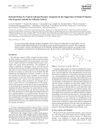
May 2010 in “Journal of Medicinal Chemistry” This study introduced a novel nonsteroidal androgen receptor antagonist that effectively controls sebum production in the golden Syrian hamster ear model through targeted follicular delivery.
 January 2026 in “International journal of research and scientific innovation”
 This study reviewed a traditional siddha hair treatment using quail bone ash and sesame oil, observing reduced hair fall and stimulation of new growth, though it suggests further scientific and clinical validation is needed for these findings.
 August 2026 in “Zenodo (CERN European Organization for Nuclear Research)”
 This study developed a polyherbal hair mask containing neem, tulsi, fenugreek, amla, multani mitti, aloe vera, and tea tree oil, suggesting its effectiveness in sebum control, inhibiting Malassezia, and improving scalp health as a natural anti-dandruff treatment.
 July 2023 in “International journal of pharmacognosy and life science”
 This study explores the development of a herbal hair oil formulation using selected herbs to potentially address hair loss and related issues, as an alternative to synthetic medications that may cause serious side effects and offer limited effectiveness.
 March 2024 in “Journal of biobased materials and bioenergy”
 In this study, tea tree oil was found to have substantial antibacterial activity and promote proliferation and migration of hair follicle stem cells in vitro, indicating potential benefits for treating scalp alopecia areata.
42 citations
,
December 2018 in “International Journal of Phytocosmetics and Natural Ingredients” This study found that hair care formulations containing vegetable oils like Brazil nut and olive oil improved hair strength, shine, and combability more effectively than those with silicone.
 1 citations
,
June 2024 in “Archives of Dermatological Research”
1 citations
,
June 2024 in “Archives of Dermatological Research” In this pilot study, researchers found that betulin did not conclusively inhibit hair loss or promote regrowth in patients with hypothyroidism when compared to placebo.
 August 2026 in “Zenodo (CERN European Organization for Nuclear Research)”
 In this study, researchers developed an herbal hair serum using Embelia ribes seed extract and found it demonstrated promising antifungal properties and suitable characteristics for scalp application, suggesting its potential as a natural hair care product.
 24 citations
,
December 2014 in “International Journal of Molecular Medicine”
24 citations
,
December 2014 in “International Journal of Molecular Medicine” In this study, researchers found that petroleum ether extract of Eclipta alba significantly stimulated follicular keratinocyte proliferation and reduced TGF-β1 expression in nude mice, suggesting potential use for certain types of alopecia.
 63 citations
,
August 2008 in “Journal of Cosmetic Dermatology”
63 citations
,
August 2008 in “Journal of Cosmetic Dermatology” The researchers reported that the petroleum ether extract of Cuscuta reflexa may promote hair growth in testosterone-induced alopecia in mice by inhibiting the enzyme 5α-reductase.
January 2013 in “วารสารเภสัชศาสตร์อีสาน (Isan Journal of Pharmaceutical Sciences, IJPS)” This study found that Carthamus tinctorius floret ethanolic extract stimulated melanogenesis in B16F10 murine melanoma cells without cytotoxicity, suggesting its potential as a treatment for gray hair.
 June 2023 in “Journal of Ayurvedic and herbal medicine”
 This review article highlights the potential health benefits and pharmaceutical components of pumpkin seeds, which contain proteins, antioxidants, and essential nutrients, and discusses their traditional medicinal uses and emerging applications in the food industry.
 February 2026 in “International Journal of Molecular Sciences”
 This study investigated the photoprotective properties of Brazilian pepper tree extract against UV-induced damage in skin cells, reporting that it enhanced expression of genes relevant to skin health and showed superior activity compared to standard antioxidants.
 1 citations
,
December 2014 in “International Journal of Pharmacy and Pharmaceutical Sciences”
1 citations
,
December 2014 in “International Journal of Pharmacy and Pharmaceutical Sciences” The study observed that Carthamus tinctorius extract-loaded lipid carriers promoted hair growth in C57BL/6 mice more effectively than minoxidil, although further research on humans is needed for confirmation.
28 citations
,
March 2007 in “E-Journal of Chemistry” This study found that a herbal hair oil containing 7.5% concentrations of specific plant extracts showed effective hair growth activity comparable to 2% minoxidil, with particularly promising results from oils prepared using the cloth pouch decoction method.
7 citations
,
August 2007 in “Journal of Biotechnology”  7 citations
,
January 2022 in “Plants”
7 citations
,
January 2022 in “Plants” This study found that extracts from the rice variety Bue Bang 3 CMU, particularly the husk and bran, demonstrated antioxidant, anti-inflammatory, and anti-androgenic properties, suggesting potential use in treating androgenetic alopecia.
 February 2024 in “Journal of applied pharmaceutical research”
 This study formulated herbal hair oils using extracts such as Coconut and Amla, observing significant improvements in hair growth promotion, antioxidant, and antimicrobial properties in animal models, suggesting potential natural remedies for hair care with further research needed for human application.
 2 citations
,
August 2022 in “Korean journal of medicinal crop science/Han-gug yagyong jagmul hag-hoeji”
2 citations
,
August 2022 in “Korean journal of medicinal crop science/Han-gug yagyong jagmul hag-hoeji” This study investigated the antioxidant and anti-inflammatory effects of the plant extract BLH308 and its potential to reduce hair loss, showing significant antioxidant activity in vitro.
 July 2026 in “Zenodo (CERN European Organization for Nuclear Research)”
 This review examines a polyherbal hair oil formulation containing ingredients like Amla and Pumpkin seed oil, reporting potential benefits for managing male pattern baldness through antioxidant, anti-inflammatory, and DHT-inhibiting properties, alongside improved scalp blood circulation and hair regrowth.
7 citations
,
January 2018 in “Asian journal of pharmaceutical research” In this study, the authors reviewed the importance of a polyherbal hair oil containing ingredients like Amla and Neem, evaluated for properties like pH and viscosity, but effectiveness for treating hair issues such as dandruff and baldness is not reported.
 1 citations
,
March 2022 in “Daehanhanuihakoeji”
1 citations
,
March 2022 in “Daehanhanuihakoeji” In this study, Artemisia sieversiana extract was found to safely promote hair follicle dermal papilla cell growth and inhibit hair loss through anti-androgen, anti-inflammatory, and antioxidant effects at a cellular level.