 June 2026 in “Scholarly review .”
 This review discusses the impact of endocrine-disrupting chemicals on pediatric health, linking them to various disorders, and calls for improved biomonitoring strategies and precautionary policies.
 March 2026 in “Calcified Tissue International”
 This review discusses the complex role of the EDA pathway in vertebrate skeletal development, emphasizing its interaction with other morphogenic pathways to influence skeletal diversity, but reports no new experimental results.
 March 2026 in “Cleveland Clinic Journal of Medicine”
 This review discusses polycystic ovary syndrome and incorporates updates from a 2023 guideline, but reports no new research findings on diagnosis or management.
 February 2026 in “Chinese Medicine”
 Natural products might help treat hair greying.
 January 2026 in “Frontiers in Reproductive Health”
 Educational efforts can reduce harmful chemical exposure from hair products in pregnant Women of Color.

This chapter explores the potential of phytochemicals in modulating human endocrine function, emphasizing the growing interest in plant-derived alternatives to synthetic medications for managing metabolic and hormonal disorders often linked to chemical exposures and lifestyle factors.
 November 2025 in “Fertility Gynecology and Andrology”
 This study highlights that polycystic ovary syndrome develops through genetic and environmental factors, with insulin resistance as a key mechanism, impacting the risk of metabolic and cardiovascular conditions.

This study successfully established a functionally stable immortalized sheep granulosa cell line (GCs-SV40T-GFP) that can passaged up to 50 generations, maintaining morphological stability and estradiol secretion, offering a valuable model for research into animal reproductive function and hormone regulation.

In this study, researchers analyzed the waters of Ladakh's hotsprings, identifying 27 bioactive compounds with potential health benefits, but emphasize that further clinical trials are needed to confirm their therapeutic efficacy and safety.
 April 2025 in “Journal of Neonatal Surgery”
 This review discusses the management of polycystic ovary syndrome and highlights the benefits of an integrative approach combining lifestyle, pharmacological, and herbal treatments, but reports no new research findings.
 January 2025 in “Journal of Veterinary Medical Science”
 In this study, researchers observed that genetically identical cloned dogs, when exposed to different environments like an airport and a police station for two years, exhibited significant differences in toxic mineral concentrations and intestinal microbiota composition, suggesting that environment influences physiological traits even among clones.
 December 2024 in “African Journal of Biomedical Research”
 This review discusses various risk factors and potential therapeutic interventions for PCOS but reports no new clinical results.
 August 2024 in “Qucosa (Saxon State and University Library Dresden)”
 In this study on mice, researchers observed that dermal white adipose tissue (dWAT) plays a key role in regulating skin inflammation and tissue repair; however, reduced expression of certain cytokines in obese mice may hinder these processes, indicating potential metabolic disruptions in dWAT during inflammation.
 February 2024 in “Scientific reports”
 This study identified four ferroptosis-related genes, SLC40A1, LCN2, CREB5, and SLC7A11, as potential diagnostic markers for alopecia areata, revealing reduced expression in affected patients compared to controls, with a predictive model showing high accuracy in differentiating the condition.
 January 2024 in “Pharmacophore”
 This source discusses the potential of integrating herbal extracts with nanotechnology in skincare products, highlighting improved effectiveness and targeted delivery of active ingredients to skin cells compared to traditional formulations.
 January 2024 in “Institutional Repositories DataBase (IRDB)”
 This study developed a method to measure local steroid hormone concentrations in hair, providing new insights into hormone dynamics associated with androgenetic alopecia.
In this study, a very low-calorie ketogenic diet significantly improved metabolic and hormonal profiles in obese men, but did not significantly enhance most semen parameters except for sperm motility.
 January 2023 in “Pakistan Armed Forces Medical Journal”
  June 2022 in “International Journal of Health Sciences (IJHS)”
 This review examines the role of certain proteins in the pathogenesis of polycystic ovary syndrome and reports no new results, emphasizing the potential for future diagnostic and therapeutic advancements.
 December 2020 in “Rev. Amazon.”
 This study identified that 80% of a rural population in Ecuador uses medicinal plants like Aloe vera for treating hair conditions, highlighting the prevalence of ancestral plant knowledge.
January 2020 in “Proyecto de investigación:” This study found a significant association between AGDAC measurements and the presence of PCOS, suggesting it could be an effective clinical tool in diagnosing the condition and its phenotypes, especially when combined with AMH.
 January 2020 in “Research Portal Denmark”
 This study concludes that anti-androgenic chemicals causing short anogenital distance in male fetuses also induce a feminized transcriptional profile in the perineum, implicating Wnt and estrogen signaling in the process.
 January 2020 in “Asian Journal of Basic Science & Research”
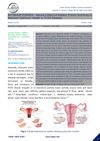
 This review discusses the role of Nutrease powder in managing hormonal disturbances in polycystic ovary syndrome and reports no new clinical results.
 March 2017 in “InTech eBooks”
 This source provides a comprehensive review of acne vulgaris, highlighting its pathophysiology, epidemiology, molecular mechanisms, and treatment options, emphasizing the significance of addressing acne's psychosocial burden for adolescents and beyond.
 January 2017 in “Elsevier eBooks”
 Sex hormones affect reproduction, sexual development, and oral health, and it's important for dental practitioners to understand their effects and interactions.
 January 2017 in “Springer eBooks”
 The document explains various skin conditions and their treatments.
 July 2002 in “Australasian Journal of Dermatology”
 Maintaining anticoagulation is crucial for patients with antiphospholipid syndrome.
 July 2002 in “Australasian Journal of Dermatology”
 This announcement in the Australasian Journal of Dermatology provides no new research findings or study results.
 January 2011 in “Journal of biological research”
 This review discusses potential links between early-onset androgenetic alopecia and exposure to endocrine disruptors in adolescents, but reports no clinical results; the authors suggest further investigation.
 9 citations
,
November 2022 in “Applied sciences”
9 citations
,
November 2022 in “Applied sciences” This review explores marine algae-derived phenolic compounds and their potential cosmeceutical benefits, but reports no new clinical results.