 26 citations
,
May 2021 in “International Journal of Molecular Sciences”
26 citations
,
May 2021 in “International Journal of Molecular Sciences” In this review, researchers examined the physiological benefits of Cheonggukjang, a salt-free fermented soybean paste, highlighting its various health-promoting components that may contribute to improved heart health, diabetes management, and cancer prevention, among other benefits.
 July 2026 in “Zenodo (CERN European Organization for Nuclear Research)”
 This review highlights that herbal cosmetics, incorporating modern technologies and traditional knowledge, offer various biological benefits like antioxidant and anti-aging properties. The authors emphasize the need for further clinical validation and standardized manufacturing processes to ensure their long-term safety and effectiveness.
 July 2026 in “Zenodo (CERN European Organization for Nuclear Research)”
 This review reports that herbal cosmetics offer diverse biological benefits, including antioxidant, antibacterial, and moisturizing effects, enhanced by advanced formulation methods, while emphasizing the need for more clinical validation and standardized practices to ensure long-term safety and efficacy.
 September 2025 in “International Journal for Research in Applied Science and Engineering Technology”
 This paper discusses the potential benefits of incorporating guava leaf extracts into skincare, hair care, and oral care products, highlighting their antibacterial, antioxidant, and acne-treating properties, as well as their possible effects on dandruff removal and hair loss reduction.
 3 citations
,
February 2023 in “International Journal of Molecular Sciences”
3 citations
,
February 2023 in “International Journal of Molecular Sciences” This review discusses the composition, preparation, and applications of autologous platelet and extracellular vesicle-rich plasma, highlighting its potential benefits and the need for further research, but it reports no new clinical findings.
 6 citations
,
February 2023 in “Biomaterials Research”
6 citations
,
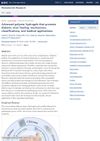
February 2023 in “Biomaterials Research” This review explores the different types of hydrogels used to repair diabetic ulcers, the mechanisms involved, and the limitations in developing these technologies for clinical use, but it reports no new clinical results.
 5 citations
,
October 2022 in “Journal of Ethnopharmacology”
5 citations
,
October 2022 in “Journal of Ethnopharmacology” This review of Anemarrhena asphodeloides highlights its extensive historical use in Eastern traditional medicine and identifies diverse chemical compounds with numerous pharmacological activities, noting the need for further research to understand its mechanisms and ensure safe use.
August 2026 in “DOAJ (DOAJ: Directory of Open Access Journals)” This review summarizes the potential of exosome-based therapies as a promising treatment for androgenetic alopecia, emphasizing their role in modulating key signaling pathways, but highlights the need for further evidence to confirm their efficacy and safety.
April 2025 in “Cosmetics” In this study, synthesized composite nanocarriers containing ribose and peptides demonstrated enhanced transdermal delivery, improved uptake by skin cells, promoted cell proliferation, enhanced antioxidant enzyme activities, and increased autophagy, suggesting a potential for more effective skin anti-aging treatments.
January 2026 in “eKNUTSHIR” This study systematically analyzed the molecular and cellular mechanisms of wound healing and assessed the market potential for wound healing products based on natural proteins, projecting significant growth by 2033.
1 citations
,
December 2022 in “Bioactive Materials” In this study, researchers developed a nanocomposite microneedle patch containing copper/zinc dual-doped silica nanoparticles, which release substances to promote hair follicle regeneration by targeting various pathophysiological aspects of androgenic alopecia, presenting an effective anti-hair loss treatment strategy.
 5 citations
,
September 2019 in “ACS Applied Bio Materials”
5 citations
,
September 2019 in “ACS Applied Bio Materials” This study developed a composite hydrogel that delivered multiple proteins, enhancing skin wound healing by accelerating closure and promoting hair follicle regeneration.
 50 citations
,
December 2020 in “Bioactive Materials”
50 citations
,
December 2020 in “Bioactive Materials” This study suggests that a sandwich-structured wound dressing with bioceramic and polylactic acid layers may improve burn wound healing by absorbing exudates and promoting hair follicle regeneration.
 14 citations
,
December 2013 in “Molecules”
14 citations
,
December 2013 in “Molecules” This study identified a new lignan and 21 known compounds from Asiasarum heterotropoides roots, with two compounds showing potential anticancer activity by influencing NO production, FOXP3 expression, and HIF-1α activity in vitro.
 1 citations
,
August 2023 in “International journal of pharmacy & integrated health sciences”
1 citations
,
August 2023 in “International journal of pharmacy & integrated health sciences” This review discusses various bioactive elements in cosmeceuticals, highlighting their potential benefits, such as anti-aging effects and skin tone improvement, while noting the growing demand due to safety concerns and expanding market opportunities.
 July 2026 in “Discover Food”
 This review critically examines scientific evidence on the health benefits of rosemary bioactives, finding potential in managing age-related diseases and skin aging conditions, and discusses their application in functional foods and aromatherapy, along with associated safety concerns.
In this study, researchers identified an elite germplasm of the medicinal plant Eclipta alba, known for its liver disease benefits, with higher growth, yield, and wedelolactone content, suitable for large-scale cultivation to reduce strain on wild populations.
 November 2023 in “Regenerative Biomaterials”
 This study developed a degradable and bioactive citrate-based polyurethane adhesive that achieves rapid and strong tissue adhesion, exhibiting improved bonding strength in wet environments, biocompatibility, biodegradability, and hemostatic properties, with potential to enhance wound healing by promoting angiogenesis.
 6 citations
,
April 2017 in “Frontiers in Pharmacology”
6 citations
,
April 2017 in “Frontiers in Pharmacology” This study found that several compounds from Yangxue Shengfa capsule may promote hair growth by enhancing cell proliferation in vitro, suggesting potential use in treating androgenetic alopecia.
 3 citations
,
August 2018 in “Deleted Journal”
3 citations
,
August 2018 in “Deleted Journal” This study found that Guasha therapy did not significantly alter nerve fiber morphology or the expression of CGRP and SP in rat skin, with parameters generally returning to normal within five days.
 March 2025 in “Journal of Endocrinology and Metabolism”
 This study found that while rat models treated with letrozole and dihydrotestosterone exhibit altered sterol, leukotriene, and steroid hormone profiles similar to human PCOS, significant differences remain.
 February 2024 in “Research Square (Research Square)”
 This study optimized the extraction process for abomasum protein from Tianshan red deer, identifying two proteins with anti-inflammatory and anti-tumor activities, suggesting they could be beneficial in foods and nutraceuticals.
 May 2020 in “International Journal of Engineering Applied Sciences and Technology”
 This study explored the antimicrobial potential of natural bioactive materials such as Citrus lemon, Garlic, Baeckea frutescens, Neem, and Eclipta Alba, highlighting their eco-friendly and non-toxic properties for combating harmful bacteria.
 8 citations
,
January 2011 in “Organic and Biomolecular Chemistry”
8 citations
,
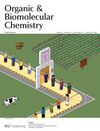
January 2011 in “Organic and Biomolecular Chemistry” Minoxidil reacts to nitrosation 7 times more than phenol, mainly due to its -NH₂ groups, leading to the creation of N-nitrosominoxidil.
 24 citations
,
October 2024 in “Process Biochemistry”
24 citations
,
October 2024 in “Process Biochemistry” In this study, Gaussian process regression models combined with Grey Wolf optimization were used to predict and optimize phenolic and flavonoid content extraction from Carthamus caeruleus L. rhizomes, showing high accuracy and helping improve understanding and extraction processes through a new interactive tool.
 11 citations
,
February 2021 in “Trends in Food Science and Technology”
11 citations
,
February 2021 in “Trends in Food Science and Technology” This review explores the potential of edible flowers, particularly the genus Impatiens, for their chemical, nutritional, and bioactive properties but does not report new clinical findings.

In this study, researchers analyzed the waters of Ladakh's hotsprings, identifying 27 bioactive compounds with potential health benefits, but emphasize that further clinical trials are needed to confirm their therapeutic efficacy and safety.
 14 citations
,
February 2021 in “International Journal of Pharmaceutics”
14 citations
,
February 2021 in “International Journal of Pharmaceutics” In this study, applying deer antler velvet extract-loaded niosomes and microspicules serum to the scalp significantly improved hair growth, melanin content, and skin hydration over 14 to 30 days without causing skin irritation.
 May 2026 in “Scientific Reports”
 This study found that a bioactive borosilicate glass containing Sr and Cu ions exhibited promising mechanical strength, biocompatibility, and antibacterial activity, particularly the CuSr-1 wt.% composition, suggesting potential for use in orthopedic implants and bone tissue engineering.
 July 2025 in “International Journal of Allied Medical Sciences and Clinical Research”
 This review compiles current knowledge of Eclipta prostrata's botanical details, ethnomedical uses, phytochemical components, and various pharmacological activities, emphasizing its potential for modern pharmaceutical formulations based on its anti-inflammatory, antioxidant, anticancer, and other therapeutic properties.