Search
for
Sort by
Research
180-210 / 1000+ results
research Diagnostic Comparison: SH‑1 Molecule vs PP405 — Safety Profiles in Hair Science
This infographic compares the safety profiles of SH‑1, a cosmetic ingredient, which showed no systemic absorption, and PP405, an investigational drug with dose-dependent systemic uptake and potential threshold breaches, highlighting differences in safety between cosmetic and investigational substances according to this report.
research Clinical development and management of adverse events associated with FGFR inhibitors
This review examined the common side effects of FGFR inhibitors like erdafitinib, pemigatinib, and futibatinib, and detailed strategies for managing them, highlighting that proactive monitoring and appropriate interventions can effectively mitigate these toxicities.
research A new classification of early female pattern hair loss
The authors concluded that their new grading system can effectively classify early female pattern hair loss and evaluate treatment progress.

research Clinicopathological characteristics of fibrosing alopecia in a pattern distribution: a single‐center, retrospective study
In this study, FAPD was characterized in a Chinese population by perifollicular mast cell infiltration, suggesting young individuals may be at higher risk than previously thought.

research Steroid 5α-reductase inhibition by polymethoxyflavones
This study found that among eleven tested polymethoxyflavones, 5-hydroxy-7,4′-dimethoxyflavone was the strongest steroid 5α-reductase inhibitor and suggests potential use for benign prostatic hyperplasia treatment.

research Letter from Brisbane [Letters to editor]
This study found a severe MBTPS2 gene mutation in a Japanese IFAP syndrome patient, suggesting other factors may influence the syndrome's clinical features compared to previously studied patients.

research Análise comparativa das características clínico-patológicas e imunopatológicas do líquen plano pilar e da alopecia frontal fibrosante
Lichen planopilaris and frontal fibrosing alopecia are likely the same disease with different clinical appearances.

research Report on the British Association of Hair Restoration Surgery Meeting to Establish “Common Practice” for FUE
This meeting summary outlines efforts by the British Association of Hair Restoration Surgery to establish common practices for Follicular Unit Extraction among its members, reporting no new research findings.
research Editorial comment 1
Finasteride may reduce prostate cancer risk.
research INVESTIGATION OF THE INFLUENCE OF INJECTION PULSE DURATION ON THE CAPTURE OF ELECTRONS IN A BETATRON
In this study, researchers found that progesterone promotes breast tumor growth in mice through its metabolite 5αP, which can be blocked by the 5α-reductase inhibitor finasteride.

research PTP1B Inhibitory and Anti-inflammatory Properties of Constituents from Eclipta prostrata L.
This study found that certain fatty acids and triterpenoid-glycosides from Eclipta prostrata L. leaves exhibit potent inhibitory effects on the protein tyrosine phosphatase 1B enzyme, suggesting potential anti-diabetic and anti-obesity benefits.

research GEOGRAPHIC TONGUE IN TWO CHILDREN WITH NONPUSTULAR PSORIASIS
Fox Fordyce disease might be more common in prepubertal girls than thought and can be managed with treatment.

research Frontal Fibrosing Alopecia: A prospective observational study
This study in Morocco found that all women with frontal fibrosing alopecia presented frontotemporal hairline recession, with trichoscopic features such as perifollicular erythema and follicular hyperkeratosis being indicative of the condition, and suggested a potential link between cosmetic products or emotional factors and the disease.

research Frontal fibrosing alopecia
This abstract describes frontal fibrosing alopecia, a type of cicatricial alopecia identified in post-menopausal women, and reports no new clinical findings.

research 8679 Case: The Sexual, Physical and Psychological Effects of Post-Finasteride Syndrome
This case study describes a 45-year-old man who developed post-finasteride syndrome with various symptoms after stopping Finasteride, highlighting the condition's rarity and poorly understood pathophysiology.
research Coexistence of frontal fibrosing alopecia with lichen planus pigmentosus
Frontal fibrosing alopecia can occur with lichen planus pigmentosus, needing careful diagnosis and treatment.
research Phosphofructokinase (Pfk) Regulation of Glycolysis in Skin

research Freeze-Drying of Platelet-Rich Plasma: The Quest for Standardization
This review outlines the current state of freeze-dried platelet-rich plasma (FD-PRP) research, emphasizing its use in wound healing, lumbar fusion, knee conditions, and dentistry, but reports no new clinical findings.
research Hyperpigmentation following Treatment of Frontal Fibrosing Alopecia
This case report details a 57-year-old woman with frontal fibrosing alopecia who developed hyperpigmentation after treatment with dutasteride and pimecrolimus, highlighting no previously reported hyperpigmentation association with this combination.

research Frontal Fibrosing Alopecia – a review and a practical guide for clinicians
This review provides a detailed analysis of frontal fibrosing alopecia, focusing on its prevalence in postmenopausal Caucasian women, associated comorbidities, and potential autoimmune, genetic, hormonal, and environmental factors; it emphasizes the need for improved understanding to enhance diagnosis and treatment.

research DEFINITION OF FRONTAL FIBROSING ALOPECIA IN THE GROUP OF SCARRING ALOPECIAS
This paper presents two cases of frontal fibrosing alopecia in postmenopausal women, noting challenges in monitoring due to the invasive nature of the diagnostic process.
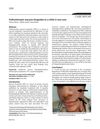
research Folliculotropic mycosis fungoides in a child: a rare case
This source describes a case of a 12-year-old male diagnosed with folliculotropic mycosis fungoides, presenting with an asymptomatic, erythematous plaque. Histology and immunohistochemistry confirmed FMF, which is typically rare in children and marked by follicular infiltration by CD4+ lymphocytes.
research Impact of female pattern hair loss on the quality of life of patients
This study found that female pattern hair loss significantly impacts quality of life, suggesting that psychological support may enhance treatment adherence.

research Post-Finasteride Syndrome (PFS) Update: Point/Counterpoint
Finasteride's link to health issues like male breast cancer, infertility, and prostate cancer needs more research through placebo-controlled trials to confirm.
research Effects of platelet-rich fibrin on human endometrial stromal cells behavior in comparison to platelet-rich plasma
This study found that platelet-rich fibrin provides more sustained therapeutic effects than platelet-rich plasma in inhibiting apoptosis and enhancing proliferation and migration of human endometrial stromal cells.
research Frontal Fibrosing Alopecia Quality of Life Index: A Validated Disease-Specific Questionnaire Involving Women
This study presents a validated questionnaire, the FFA-QLI, which effectively assesses and differentiates the quality of life impact among patients with frontal fibrosing alopecia, showing greater sensitivity in identifying severe cases than the DLQI.

research Flushing episodes in the context of frontal fibrosing alopecia with facial papules
This report describes a case where a woman with frontal fibrosing alopecia initially presented with symptoms resembling rosacea, but further investigation led to a diagnosis of FFA, resulting in a treatment change to oral finasteride and hydroxychloroquine.
research Rational Design and Synthesis of 4-((1R,2R)-2-Hydroxycyclohexyl)-2(trifluoromethyl)benzonitrile (PF-998425), a Novel, Nonsteroidal Androgen Receptor Antagonist Devoid of Phototoxicity for Dermatological Indications
This study suggests that PF-0998425 is an effective androgen receptor antagonist for sebum control and androgenetic alopecia with rapid metabolism reducing the risk of systemic side effects.
research Faculty Opinions recommendation of Post-finasteride syndrome: a surmountable challenge for clinicians.
This article evaluates clinical and scientific literature on post-finasteride syndrome, concluding that finasteride and dutasteride may cause persistent sexual, neurological, and physical adverse side effects in a subset of men.