 July 2015 in “Actas Dermo-Sifiliográficas”
 A young woman with a rare fungal infection showed significant improvement after treatment with antifungal medication.
April 2024 in “Iranian Journal of Microbiology” Shallot extract from Palu Valley can effectively kill Salmonella typhi.
 January 2025 in “Journal of Clinical Medicine”
 In this study, outbreaks of tinea capitis caused by Trichophyton tonsurans were linked to hairdressing in Sardinian barbershops, with 10 young adult men developing the infection following haircuts; timely treatment is crucial to prevent complications like scarring alopecia.
 January 2024 in “Editora In Vivo eBooks”
 In this case report, a female mixed-breed dog was observed with dermatophytosis, presenting with alopecia in the neck and ear, highlighting the zoonotic nature of the infection caused by fungi that can affect both animals and humans.
29 citations
,
April 2020 in “Biomolecules” This review discusses the potential biomedical and clinical applications of brassinosteroids, highlighting their observed antiviral, anticancerous, and other bioactivities in animal test systems, but reports no new findings.
 January 2024 in “Scientific reports”
 This study found that undiluted mint leaf extract effectively inhibited multidrug-resistant Staphylococcus aureus and killed Culex pipiens larvae, suggesting its potential as a biocontrol strategy around hospitals.
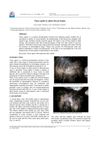
This report presents the first known case of tinea capitis caused by Microsporum canis in an adult female in the authors' locality, responsive to oral fluconazole treatment.
 January 2025 in “International Journal of Pharmacognosy and Pharmaceutical Research”
 This study found that hydroalcoholic extracts of Bacopa monnieri demonstrated significant antimitotic activity in an Allium cepa model, suggesting potential comparable effects to the standard drug methotrexate.
 October 2023 in “FASEB bioAdvances”
 This study investigated the effects of Akkermansia muciniphila on testosterone-induced hair growth inhibition in mice, finding that both live and pasteurized forms significantly encouraged hair growth and increased hair follicle size and growth factor levels compared to testosterone treatment alone.
36 citations
,
August 2016 in “The Plant cell” This study found that downregulating PI3K in common bean severely impaired symbiosis with beneficial microorganisms, indicating an essential role for autophagy-related processes in these mutualistic interactions.
April 2018 in “Journal of Investigative Dermatology” Mutations in Far2 mice cause hair loss due to sebaceous gland issues.
 1 citations
,
August 2021 in “Journal of The American Academy of Dermatology”
1 citations
,
August 2021 in “Journal of The American Academy of Dermatology” In this study, baricitinib treatment led to significant regrowth of scalp, eyebrow, and eyelash hair in alopecia areata patients compared to placebo, with higher effectiveness seen at the 4-mg dose.
 May 2025 in “Scholars Journal of Medical Case Reports”
 In this case study, a 10-year-old boy with alopecia caused by infections with Microsporum audouinii and Microsporum canis was successfully treated with oral griseofulvine over two months, highlighting a rare co-infection.
55 citations
,
November 2019 in “Cellular and Molecular Gastroenterology and Hepatology” This study found that oral biotin supplementation improved outcomes in a mouse model of inflammatory bowel disease by reducing inflammatory cytokine production and enhancing intestinal barrier integrity, suggesting potential therapeutic benefits for IBD patients.
March 2017 in “Zenodo (CERN European Organization for Nuclear Research)” This study found that probiotics, specifically the L. plantarum MTCC 1325 strain, may have protective effects against Alzheimer's-like symptoms induced by D-Galactose in animal models, suggesting potential therapeutic use for neurodegenerative disorders.
 41 citations
,
September 2007 in “Pediatric emergency care”
41 citations
,
September 2007 in “Pediatric emergency care” This review discusses the challenges in diagnosing tinea capitis and highlights the need for laboratory confirmation and systemic treatment due to the limited effectiveness of topical antifungals; no new clinical results are presented.
166 citations
,
November 2008 in “Expert Review of Endocrinology & Metabolism” This review discusses biotin and biotinidase deficiencies, their symptoms, and methods of medical management, without presenting new clinical findings.
 March 2022 in “Benha Journal of Applied Sciences”
 This study suggests that the serum marker may play a role in the pathogenesis of tinea capitis and could serve as an independent risk factor for assessing vulnerability, activity, and severity of the condition.
February 2013 in “Archives of Disease in Childhood Education & Practice” This text describes kerion, a severe form of tinea capitis, and emphasizes the difficulty of diagnosis and the need for oral antifungal treatment, but reports no new clinical results.
 8 citations
,
August 2021 in “Aging”
8 citations
,
August 2021 in “Aging” This animal study found that berberine may alleviate benign prostatic hyperplasia by reducing inflammation and oxidative stress through inhibition of the NF-κB signaling pathway.

This study achieved over 99% antibacterial efficacy against Staphylococcus aureus and Escherichia coli by modifying camel hair with Rose Bengal, allowing for color customization and strong mechanical properties under visible light, thus suggesting a high-value approach to diversifying camel hair textiles.
 February 2026 in “Journal of Microbiology and Biotechnology”
 This study reported that abietic acid, derived from pine rosin, showed antimicrobial effects and reduced biofilm biomass in laboratory tests against microorganisms like Staphylococcus aureus and Candida albicans, suggesting potential further applications for skin infections.
18 citations
,
January 1992 in “Dermatology” This case report details atrichia with papular lesions in a 4-year-old girl, highlighting specific histological findings on her scalp and other affected areas.
In this study, researchers found that bulge cells cultured from rat hair follicles demonstrated stem cell characteristics and could differentiate into neural and glial lineages.
 6 citations
,
October 2017 in “Oncotarget”
6 citations
,
October 2017 in “Oncotarget” In this study, NIH hairless mice showed increased susceptibility to Listeria monocytogenes infection compared to NIH mice, potentially due to differences in gut microbiota and monocyte levels.
27 citations
,
April 2012 in “Pediatrics in review” This article reviews approaches to diagnosing and treating dermatophytosis and pityriasis versicolor, noting a significant change in the epidemiology of tinea capitis and highlighting the limitations of certain diagnostic techniques.
 February 2024 in “Infection and drug resistance”
 This study presented a case of tinea capitis in a 4-year-old without typical symptoms and traced the infection to Microsporum canis carried by domestic cats, highlighting the need for accurate diagnosis and appropriate treatment, especially in households with pets.
4 citations
,
December 2017 in “Journal of zoo and wildlife medicine” This study proposes that seasonal alopecia and reproductive changes in six female fossas at the San Diego Zoo may be linked to hormonal changes associated with reproductive activity.
4 citations
,
December 1994 in “PubMed” This case study reports that secondary milia linked to bullous erysipelas in a 64-year-old woman's leg resolved nearly completely with topical 0.05% tretinoin cream.
12 citations
,
August 2011 This paper discusses tinea capitis in adults, emphasizing that it particularly affects postmenopausal African American or Black women, and notes challenges in treatment due to antifungal resistance.