82 citations
,
January 2011 in “New Phytologist” This study demonstrated that AtVLN4 plays a role in root hair growth by regulating actin organization in a calcium-dependent manner.
 1 citations
,
August 2022 in “International journal of women’s dermatology”
1 citations
,
August 2022 in “International journal of women’s dermatology” This case report suggests that intradermal botulinum toxin type A may alleviate pruritus and reduce papules in Fox-Fordyce disease, improving quality of life without serious adverse effects for at least six months.
1 citations
,
November 2023 in “Acta Dermato Venereologica”  1 citations
,
May 2025 in “International Journal of Applied Pharmaceutics”
1 citations
,
May 2025 in “International Journal of Applied Pharmaceutics” This study formulated a nanogel with Bangkal bark extract that showed moderate antibacterial activity against Propionibacterium acnes, with the F3 formulation (8% extract) achieving the highest inhibition zone of 8 mm, suggesting potential as a natural acne treatment.
24 citations
,
September 2007 in “Veterinary Dermatology” This report documented the first known case of Malassezia slooffiae-associated dermatitis identified in a goat through diagnostic work-up, including histology and DNA sequencing.
August 2025 in “Biomedicines” In this case report, half-siblings with bullous congenital ichthyosiform erythroderma were found to have a susceptibility to Trichophyton rubrum infection, successfully treated with oral terbinafine.
14 citations
,
June 2009 in “Journal of veterinary internal medicine” This study describes presumed albendazole toxicosis in alpacas, suggesting that repeated doses as low as 19 mg/kg can lead to severe neutropenia, enteropathy, and potentially death in this species.
December 2022 in “Laboratory Animal Research” This study described two cases of trichoblastomas in the tactile hair skin of aged house musk shrews, highlighting that their histological structure differs from that in humans and other animals.
This review highlights Malassezia's dual role as both protective and pathogenic within the hair follicle ecosystem, noting its involvement in skin disorders and potential cancer progression, and calls for further studies to develop targeted treatments for related conditions.
 5 citations
,
June 2022 in “Frontiers in veterinary science”
5 citations
,
June 2022 in “Frontiers in veterinary science” This review discusses the impact of sarcoptic mange on wombats and evaluates antiparasitic drugs like ivermectin, moxidectin, and fluralaner for treating the disease, but it presents no new clinical results.
 November 2025 in “SKIN The Journal of Cutaneous Medicine”
 In this phase 3 trial, baricitinib showed effectiveness and safety in both adolescents and adults with severe alopecia areata, with adolescents achieving higher response rates despite more severe baseline conditions, suggesting the advantages of early treatment.
 2 citations
,
January 1997 in “Journal of Clinical Biochemistry and Nutrition”
2 citations
,
January 1997 in “Journal of Clinical Biochemistry and Nutrition” This study found that germ-free mice on a biotin-deficient diet exhibited significant weight loss and severe alopecia, unlike conventional mice on the same diet.
195 citations
,
December 2009 in “Journal of Investigative Dermatology” This study found that sebum free fatty acids may enhance the antibacterial defense of human sebaceous glands by upregulating the expression of the antimicrobial peptide hBD-2, potentially aiding in acne treatment.
 April 2026 in “Journal of the Korean Society of Cosmetology”
 This study found that Limosilactobacillus reuteri NCHBL-005, derived from honeybees, may promote hair growth via a novel non-androgenic mechanism involving the Wnt/β-catenin signaling pathway, as it increased hair follicle size and number in mice and influenced related gene expression in human follicle cells.
January 2026 in “International Journal of Biological Macromolecules” June 2020 in “Comparative medicine” The study reported that Demodex musculi infestation was notably higher in immunodeficient mice, while infested immunocompetent mice, particularly the BALB/c strain, showed increased IgE levels and developed alopecia over time.
4 citations
,
January 1986 in “PubMed” In this animal study, serum biotin levels and clinical symptoms in gilts suggested that serum biotin could serve as a sensitive indicator of biotin deficiency, and a system to evaluate biotin status was proposed.
 5 citations
,
November 2012 in “Actas Dermo-Sifiliográficas”
5 citations
,
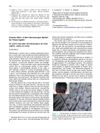
November 2012 in “Actas Dermo-Sifiliográficas” Comma hairs are a new sign for identifying scalp fungal infections.
 53 citations
,
January 2017 in “Skin appendage disorders”
53 citations
,
January 2017 in “Skin appendage disorders” This review discusses botulinum toxin's experimental off-label uses in dermatology, highlighting promising results but emphasizing the need for more clinical trials to confirm efficacy and safety.
 1 citations
,
September 2024 in “Jurnal Ilmiah JKA (Jurnal Kesehatan Aeromedika)”
1 citations
,
September 2024 in “Jurnal Ilmiah JKA (Jurnal Kesehatan Aeromedika)” This study found that red galangal rhizome simplicia extract demonstrated the strongest antibacterial effect against Propionibacterium acnes among tested extracts, achieving a 31.5 mm inhibitory zone at a 20% concentration.
 October 2021 in “Journal of Investigative Dermatology”
 This study found that COVID-19 pandemic restrictions may have led to delayed access to dermatological care for leprosy patients, resulting in increased bacillary load and disease severity.
2 citations
,
January 2002 in “PubMed” This article discusses dermatophytosis, focusing on the identification and clinical importance of various dermatophyte infections, but it reports no new results; the author emphasizes the value of direct examination for diagnosis.
1 citations
,
August 2024 in “JAAD Case Reports” This report presents a rare case of diffuse hair loss resembling alopecia areata, following a tick bite on the scalp.
1 citations
,
November 2020 in “UMM Institutional Repository (University of Maine at Machias)” In this true experimental study, researchers assessed the antibacterial effect of white jasmine leaf extract against Propionibacterium acnes and found varying inhibition zone diameters, with 500 µg/mL achieving up to 10.95 mm, though less effective than clindamycin, which reached 28.55 mm.
125 citations
,
May 2010 in “Pediatric dermatology” This review presents European guidelines for treating tinea capitis, noting systemic antifungals are essential, with griseofulvin preferred for Microsporum infections and newer antifungals viable for Trichophyton but often costlier.
9 citations
,
December 1985 in “JAMA” This article highlights the rising recognition of tinea capitis in children, noting a shift from Microsporum to Trichophyton tonsurans as the main causative agent, with potential implications for day-care centers.
9 citations
,
January 2004 in “Journal of dermatological treatment” This study reports that oral rifampicin effectively treated the pustular lesions of tufted hair folliculitis in a 47-year-old woman, with no relapses after one year.
29 citations
,
February 1987 in “General and comparative endocrinology” This study found that in male badgers, seasonal molting and hair growth are influenced by cycles of plasma testosterone and thyroxine, with hormones affecting the timing and progression of these processes.
 1 citations
,
July 2022 in “PLOS ONE”
1 citations
,
July 2022 in “PLOS ONE” This study found that in Lichen Planopilaris, the Microbacteriaceae family was negatively correlated with IL-23 expression, suggesting a role in the disease's inflammation and microbiota composition.
 89 citations
,
May 1999 in “Pediatric Dermatology”
89 citations
,
May 1999 in “Pediatric Dermatology” This article reviews the treatment options for tinea capitis, suggesting that itraconazole, terbinafine, and fluconazole are effective and safe alternatives to griseofulvin but reports no new clinical results.