 11 citations
,
September 2011 in “British Journal of Dermatology”
11 citations
,
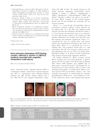
September 2011 in “British Journal of Dermatology” New ABCA12 gene mutations were linked to a skin condition with scaling and hair loss, and a treatment helped with hair loss in a related case.
324 citations
,
May 2002 in “Oncogene”  226 citations
,
January 2002 in “Biological and Pharmaceutical Bulletin”
226 citations
,
January 2002 in “Biological and Pharmaceutical Bulletin” This study developed a rapid method to extract proteins from human hair, revealing phosphorylation on serine and threonine residues in alpha-keratins and matrix proteins.
June 2021 in “SWU eJournals System (Srinakharinwirot University)” The study found that cyproterone acetate could be released over 15 days using coconut oil mixed with certain wax inhibitors, though further safety studies are needed.
 14 citations
,
May 2019 in “Experimental Dermatology”
14 citations
,
May 2019 in “Experimental Dermatology” In this study, adipose tissue secretome was shown to enhance oxidative stress resistance and promote cell proliferation in vitiligo cells, suggesting a potential natural treatment approach.
March 2026 in “Experimental Dermatology” This study developed an in vitro model using NTERT keratinocytes expressing AEC-related TP63 mutations, which replicated skin defects observed in AEC patients and offers a valuable tool for understanding the disorder and developing new treatments.
3 citations
,
January 2021 in “Molecular genetics & genomic medicine” In this study, novel mutations in the BTD gene were identified in a patient with profound biotinidase deficiency, highlighting the importance of biotinidase activity measurement and mutation analysis for early diagnosis.
1 citations
,
May 2025 in “The Journal of Dermatology” In this study, increased Treg cell activity indicated by IL-10 and IL-15 was identified as a feature of ADTA, distinguishing it from AA and potentially explaining ADTA's more favorable prognosis.
 July 2022 in “The journal of investigative dermatology/Journal of investigative dermatology”
 In this study, researchers created a comprehensive transcriptome map of human hair follicle compartments, identifying compartment-specific genes and providing a resource for potential therapeutic interventions.
 April 2026 in “Zenodo (CERN European Organization for Nuclear Research)”
 This research presents the Dodatek A model, elaborating on androgen function through new mathematical indices and methodological improvements, shifting focus from serum hormone concentrations to system interactions to better describe androgen activity comprehensively.
 November 2025 in “SKIN The Journal of Cutaneous Medicine”
 In this study, UPA at doses of 15 mg and 30 mg showed higher efficacy than placebo for treating severe alopecia areata in adults and adolescents over 24 weeks, with a safety profile similar to approved uses.
 2 citations
,
July 2023 in “The journal of investigative dermatology/Journal of investigative dermatology”
2 citations
,
July 2023 in “The journal of investigative dermatology/Journal of investigative dermatology” This study found that blocking autophagy in Atg7-deficient mouse hair keratinocytes altered the molecular composition of hair shafts by increasing the abundance of proteins involved in protein turnover while keratins remained unchanged, highlighting autophagy's role in reducing non-cytoskeletal protein concentrations in hair.
September 2002 in “Oncology Times” This study presented at the ASCO Annual Meeting reported that the epidermal growth factor receptor antibody ABX-EGF showed preliminary efficacy in renal cell cancer patients, with tolerable side effects, while bortezomib demonstrated clinical benefit in a significant proportion of multiple myeloma patients.
This review synthesizes existing research on autologous platelet-rich plasma for treating androgenetic alopecia, suggesting its promise with standardized protocols and personalized approaches, but reports no new clinical results.
 182 citations
,
August 2016 in “Development”
182 citations
,
August 2016 in “Development” This review discusses the roles and mechanisms of chromatin remodelers and their subunits in mammalian development, but reports no new experimental results.
May 2023 in “Asian Journal of Transfusion Science” In this study, conducted at a tertiary care hospital in Chennai, adverse events during blood donation were observed in 0.42% of donors, predominantly affecting first-time male donors, and were mostly vasovagal reactions such as giddiness and sweating.
11 citations
,
May 2013 in “Journal of Investigative Dermatology” KRTAP10 proteins help form the hair shaft's tough outer layer by interacting with specific hair keratins.
April 2026 in “SSRN Electronic Journal” 6 citations
,
December 2022 in “Anais Brasileiros de Dermatologia” 27 citations
,
February 2023 in “Oxidative Medicine and Cellular Longevity” This study found that platelet-derived mitochondria can promote wound healing by reducing oxidative stress-induced apoptosis in vascular endothelial cells, with survivin identified as a potential target.
September 2026 in “Aesthetic Surgery Journal” This study found that autologous non-activated platelet-rich plasma (A-PRP) was effective and safe for treating androgenetic alopecia, showing long-term improvement in hair density, thickness, and count.
April 2023 in “Journal of Investigative Dermatology” This study suggests that monitoring CD8+ TEMRA cells in patients with rapidly progressive alopecia areata treated with intravenous corticosteroids could help predict therapeutic outcomes.
In this study, Norwegian researchers followed over 350 patients with porphyria cutanea tarda for an average of 7 years and found that 25% experienced biochemical relapse, suggesting the importance of routine follow-up for early detection and management.
 11 citations
,
January 2018 in “Acta dermato-venereologica”
11 citations
,
January 2018 in “Acta dermato-venereologica” In this study, oral tofacitinib showed higher efficacy and tolerability in treating refractory alopecia totalis and universalis compared to traditional treatments, achieving a 50% improvement in severity scores for 44.4% of patients over six months, with fewer adverse effects.
32 citations
,
August 2016 in “Science Signaling” This study developed PiSCES biosignatures that distinguished alopecia areata patients from controls, revealing enhanced basal TCR signaling and a potential disease-specific signaling network signature.
June 2022 in “bioRxiv (Cold Spring Harbor Laboratory)” This study found that anabolic steroid use combined with plakoglobin deficiency caused pathological atrial electrical remodeling in young male mice, suggesting a higher risk of atrial myopathy for males with desmosomal gene variants.
 38 citations
,
October 2011 in “Analytical biochemistry”
38 citations
,
October 2011 in “Analytical biochemistry” This study used proteomic techniques to analyze human hair proteins, revealing keratin heterogeneity and identifying posttranslational modifications, such as cysteine trioxidation and methylation.
 July 2025 in “Journal of Investigative Dermatology”
 Miniaturized hair follicles in androgenetic alopecia show abnormal mitochondrial activity and damage.
 49 citations
,
August 1996 in “The Journal of Clinical Endocrinology and Metabolism”
49 citations
,
August 1996 in “The Journal of Clinical Endocrinology and Metabolism” This study found that combining cyproterone acetate with testosterone enanthate was highly effective in suppressing spermatogenesis, suggesting potential as a reversible male contraceptive method.
January 2025 in “Dermatologic Therapy” In this study, patients with alopecia areata were found to have higher high-sensitivity cardiac troponin T levels compared to healthy controls, indicating a potential link between the condition and cardiovascular risk.