 January 2024 in “JEADV clinical practice”
 This article reviews how SALT scores are used in clinical trials for alopecia areata and provides patient images to help clinicians understand and apply these scores in practice; it reports no new clinical results.
April 2019 in “Journal of Investigative Dermatology” This study found that blocking LFA-1 signaling completely prevented the development of alopecia areata in C3H/HeJ mice, suggesting that LFA-1 plays a crucial role in the disease's pathogenesis and could be a target for new therapies.

In this study, 1'-S-1'-acetoxychavicol acetate (ACA) from Alpinia galanga showed potential in suppressing testosterone-induced hair loss by inhibiting Nox isozymes in a mouse model of androgenetic alopecia.
 March 2026 in “Clinical Cosmetic and Investigational Dermatology”
 In this case study, treatment with the selective JAK1 inhibitor upadacitinib significantly improved symptoms in a patient with refractory alopecia areata, vitiligo, ankylosing spondylitis, and allergic asthma-nasal syndrome, though a transient liver function abnormality was noted.
5 citations
,
April 2024 in “JAAD International” AI can accurately measure hair loss severity in alopecia areata.
November 2025 in “The Journal of Immunology” This study found that administering an S1PR 1&4 modulator reduced alopecia areata lesion size and decreased CD8+ T cell infiltration in mice, suggesting potential as a treatment for this condition.
July 2025 in “Journal of Investigative Dermatology” Reduced AhR signaling in HS tunnels leads to persistent inflammation and microbial imbalance.
In this study, a newly designed protein degrader targeting androgen receptors showed promise in reversing hair regrowth inhibition in a mouse model of androgenetic alopecia, suggesting potential as a novel and safe treatment strategy.
65 citations
,
September 2014 in “Orphanet Journal of Rare Diseases” This study identified mutations in the STUB1 gene linked to hereditary cerebellar ataxia with cognitive impairment, revealing potential effects on protein function and patient symptoms, including accelerated aging.
 78 citations
,
June 2013 in “Science”
78 citations
,
June 2013 in “Science” This study found that mice lacking the Sept4/ARTS gene had more hair follicle stem cells and improved wound healing, suggesting apoptosis regulation as a potential target in regenerative medicine.
 17 citations
,
December 2004 in “Bioorganic & Medicinal Chemistry Letters”
17 citations
,
December 2004 in “Bioorganic & Medicinal Chemistry Letters” This study identified N-acyl arylsulfonamides, particularly N-(Boc-piperidine-4-carbonyl)-benzenesulfonamides, as steroid sulfatase inhibitors with improved cellular potency compared to previous compounds.
 25 citations
,
November 2018 in “Cell reports”
25 citations
,
November 2018 in “Cell reports” This study found that the ablation of Esrp1 and Esrp2 disrupts epithelial tight junctions by affecting Arhgef11 isoform expressions, highlighting a potential mechanistic link between splicing alterations and epithelial barrier defects.
2 citations
,
July 2021 in “UNC Libraries” This study suggests that residues Val-889 and Arg-752 in the androgen receptor's steroid binding domain are crucial for NH2-/carboxyl-terminal interaction, affecting receptor stability and function.
2 citations
,
October 2000 in “Journal of Investigative Dermatology” AUC and APL are distinct conditions needing careful clinical assessment.
13 citations
,
January 2024 in “Journal of Nanobiotechnology” This research reported that a newly developed adhesive wound dressing (SIS/PAA/LAP) demonstrated higher tissue adhesion and burst strength compared to conventional products, and improved tissue repair outcomes in animal models, suggesting potential for enhanced wound healing applications.
 April 2023 in “The journal of investigative dermatology/Journal of investigative dermatology”
 This study found that inhibiting the Mitochondrial Pyruvate Carrier in human hair follicles ex vivo activated the integrated stress response, affecting cell proliferation and metabolism.
 5 citations
,
October 2024 in “International Journal of Biological Sciences”
5 citations
,
October 2024 in “International Journal of Biological Sciences” This study found that a specific fragment of AIMP1, secreted by hair follicle stem cells, activated dermal papilla cells, leading to enhanced hair regrowth and maintenance in mice.
 December 2023 in “bioRxiv (Cold Spring Harbor Laboratory)”
 This study found that AP-2α and AP-2β transcription factors are crucial for maintaining adult skin homeostasis, with their inactivation in keratinocytes leading to impaired differentiation, hair abnormalities, and inflammation, highlighting their key regulatory roles.
38 citations
,
January 2014 in “Journal of Dermatological Science” This study found that Krtap11-1 may play an important role in keratin-bundle assembly in the hair cortex, influencing the physical properties of hair.
 December 2013 in “International Journal of Dermatology”
 The clinical signs of Adams-Oliver syndrome can vary greatly, even among family members.
 April 2010 in “The Journal of Urology”
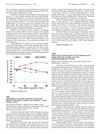
 Human prostate cells produce more WISP1/CCN4 when there's not enough oxygen.
1 citations
,
August 2019 in “Journal of pediatric & adolescent gynecology” This report describes a novel AR gene mutation in a female patient, contributing to androgen insensitivity syndrome, and emphasizes its potential impact on genetic counseling.
60 citations
,
October 2020 in “Nature Communications” This study found that small molecule AP-1 inhibitors may selectively target SMO inhibitor-resistant basal cell carcinoma cells characterized by specific markers, potentially enhancing combinatorial cancer therapies.
 1 citations
,
January 2023 in “Annals of Dermatology”
1 citations
,
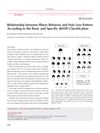
January 2023 in “Annals of Dermatology” The BASP classification helps predict patient behavior and improve treatment for hair loss.
 July 2010 in “Hair transplant forum international”
 This article discusses the first international certification examination by the American Board of Hair Restoration Surgery, with no new research findings reported.
 37 citations
,
July 2005 in “Journal of The American Academy of Dermatology”
37 citations
,
July 2005 in “Journal of The American Academy of Dermatology” This article reviews the clinicopathologic features of short anagen syndrome in a child and suggests diagnostic methods like clinical examination and scalp hair growth rate measurement, without reporting new clinical results.
4 citations
,
August 1999 in “Clinical Cosmetic and Investigational Dermatology” This study highlights the potential role of the CYP21A2 and CYP19A1 genes in severe acne vulgaris among Han Chinese, especially males.
 44 citations
,
November 2016 in “Journal of The American Academy of Dermatology”
44 citations
,
November 2016 in “Journal of The American Academy of Dermatology” This article updates a diagnostic tool (SALT II) for assessing hair loss by adding more precise measurements of scalp surface area, particularly useful for various types of alopecia.
20 citations
,
August 2003 in “Clinical and Experimental Dermatology” In this study, a novel E583V missense mutation in the hairless gene was identified in an Italian family with atrichia with papular lesions, reinforcing the significance of zinc-finger and LXXLL domains in this condition.
March 2008 in “The Knowledge Bank (The Ohio State University)” This study found that AR-007 degrades faster and has a stronger association with hsp70 than AR-014, suggesting it is less stable when bound to the androgen receptor.