 1 citations
,
May 2016 in “Dermatologic Surgery”
1 citations
,
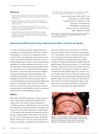
May 2016 in “Dermatologic Surgery” The document concludes that using a phototrichogram with a protractor and tapeline is a reliable and noninvasive way to measure hair loss.
 3 citations
,
February 2019 in “Disease Markers”
3 citations
,
February 2019 in “Disease Markers” This study reports that a lower 2D:4D finger length ratio is significantly associated with higher disease activity and reduced spinal mobility in females with ankylosing spondylitis, but not in males.
 7 citations
,
January 2021 in “Dermatology and therapy”
7 citations
,
January 2021 in “Dermatology and therapy” This study confirmed that the Alopecia Areata-Investigator Global Assessment and other clinical outcome assessments are valid and relevant measures of treatment success for alopecia areata patients in Japan, aligning with previous North American findings.
January 2026 in “Figshare” This report presents gene set enrichment scores for hair follicle compartments using tape strip and bulk biopsy methods, providing statistical data but no new experimental findings.
 13 citations
,
January 2018 in “Annals of Dermatology”
13 citations
,
January 2018 in “Annals of Dermatology” Alopecia areata and androgenetic alopecia affect quality of life similarly.
7 citations
,
July 2024 in “Dermatology Practical & Conceptual” This study found that the systemic immune-inflammation index (SII) can be used as a cost-effective marker to assess the severity and treatment response in patients with alopecia areata.
 1 citations
,
January 2024 in “Archives of Endocrinology and Metabolism”
1 citations
,
January 2024 in “Archives of Endocrinology and Metabolism” This study found that self-assessed mFG and Hirsuta scores have low specificity for diagnosing hirsutism in clinical settings, though they may still be useful for screening in epidemiological studies.
 16 citations
,
February 2017 in “Dermatology and Therapy”
16 citations
,
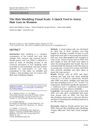
February 2017 in “Dermatology and Therapy” This study established and validated a visual scale to assess hair shedding in women with thick hair, finding it effective in distinguishing greater hair loss among women with female pattern hair loss compared to those without.
56 citations
,
March 2017 in “Plant and Cell Physiology” This study used light sheet fluorescence microscopy to successfully image and analyze calcium oscillations in the root hairs of Arabidopsis thaliana, finding that these oscillations correlate with the root hair growth rate and that auxin affects these properties.
 June 2016 in “American Journal of Cardiology”
 This paper discusses the relationship between androgenetic alopecia and cardiovascular atherosclerosis, focusing on carotid intima-media thickness and the SYNTAX score, and reports no new results.

In this study involving 30 Kazakh women with systemic lupus erythematosus, the researchers found a strong correlation between disease activity (SELENA-SLEDAI scores) and organ damage (SLICC/ACR scores), which depended on disease duration and reliably reflected cumulative disease activity.
December 2019 in “International journal of scientific and research publications”  1 citations
,
November 2025 in “Clinical Chemistry and Laboratory Medicine (CCLM)”
1 citations
,
November 2025 in “Clinical Chemistry and Laboratory Medicine (CCLM)” This study developed a new measurement procedure using isotope dilution-liquid chromatography-tandem mass spectrometry for accurate quantification of DHEAS in human serum or plasma, demonstrating high selectivity, sensitivity, and low measurement uncertainty, making it suitable for routine standardization and clinical evaluation.

This review examines the physiology of skin flap necrosis and various substances studied to improve flap viability, noting that promising results are mostly from animal studies, with nitroglycerin already tested in humans.
January 2020 in “Journal of Men s Health” In this study of BPH patients with testosterone deficiency, the combination of TU and dutasteride reduced prostate volume and improved testosterone-related symptoms but was less effective for sexual function compared to TU alone, indicating caution in using dutasteride for those with sexual dysfunction concerns.
April 2016 in “Apollo (University of Cambridge)” This article reviews treatment approaches for trichotillomania, emphasizing differences from OCD therapies and recommending specific management strategies, without providing new experimental findings.
 September 2024 in “Journal of the American Academy of Dermatology”
 This study evaluated microneedling's effect on hair loss, finding a minor reduction in SALT scores for androgenetic alopecia patients, but no significant change for fibrosing or alopecia areata groups. Further skin biopsy analyses are pending to explore other changes beyond SALT scores.
June 2025 in “British Journal of Dermatology” This study introduces ALUDWIG, an automated tool for assessing female androgenic alopecia severity from smartphone images, which may offer a more consistent alternative to current scoring methods like the Ludwig scale.
 7 citations
,
August 2015 in “Dermatologic Surgery”
7 citations
,
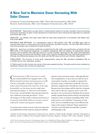
August 2015 in “Dermatologic Surgery” This study found that cross beam laser is a reliable tool for assessing scalp laxity in hair restoration surgery, with results comparable to the Mayer elasticity scale.
The digital system for measuring melasma shows promise but needs more development for better accuracy and automation.
In an outpatient cardiology center, this study found that introducing the AHA/ACC ABI screening protocol significantly increased the frequency of ABI ordering by 31.6% for symptomatic patients.
19 citations
,
March 1975 in “British Journal of Dermatology” This study presents a method for extracting and measuring cyclic AMP in small amounts of skin tissue, finding varying levels in the dermis, epidermis, and hair follicles.
3 citations
,
November 2020 in “Dermatologic Therapy” This study found that intralesional triamcinolone acetonide was more effective than saline for hair regrowth in scalp alopecia areata, with 10 mg/mL showing the best response but more side effects.
 April 2025 in “International Journal of Homoeopathic Sciences”
 This case report suggests that individualized homeopathic therapy with Carcinosin may benefit pediatric patients with alopecia areata by improving hair regrowth and psychological symptoms, as supported by standardized assessment tools.
1 citations
,
November 2024 in “Journal of Dermatological Treatment” Significant hair regrowth doesn't always mean complete hair recovery in alopecia areata.
 3 citations
,
January 1989 in “Journal of Japan Oil Chemists Society”
3 citations
,
January 1989 in “Journal of Japan Oil Chemists Society” This study examined the effects of six surfactants on hair and scalp, finding varying irritation levels and impacts on protein denaturation and scalp turnover time, with AMT suggested as a good detergent.
 11 citations
,
March 2021 in “Dermatology and therapy”
11 citations
,
March 2021 in “Dermatology and therapy” This study developed the Alopecia Areata Patient Priority Outcome (AAPPO), a new tool designed to measure and capture the symptoms and impacts of alopecia areata that matter most to patients.
January 2026 in “International Journal of Dermatology” This article discusses the development of the Alopecia Areata Children's Quality of Life Index and highlights its potential importance for assessing the psychosocial burden in pediatric cases, without providing clinical results.

The document concludes that dermatology training and grading scales need to better represent dark-skinned individuals to improve diagnosis and assessment of skin conditions.
October 2024 in “Acta Biomaterialia” This study introduced a novel method that uses upright structured illumination microscopy and atomic force microscopy to map the mechanical properties of thick living tissue slices, revealing the intricate mechanical heterogeneity of mouse skin and effects of preservation techniques on tissue stiffness.