 April 2023 in “Journal of Investigative Dermatology”
 This study demonstrated that the Epidermal Biopotential Sensing System (EBSS) can measure digital biomarkers of pain in mice, suggesting potential applications in assessing pain and screening analgesics in populations with communication difficulties.
In an outpatient cardiology center, this study found that introducing the AHA/ACC ABI screening protocol significantly increased the frequency of ABI ordering by 31.6% for symptomatic patients.
1 citations
,
January 2020 in “Egyptian Journal of Dermatology and Venereology” This study found that men with androgenetic alopecia had higher serum levels of testosterone and DHT compared to controls, suggesting a significant role of serum androgens in AGA development and progression.
 June 2023 in “Clinica Chimica Acta”
 This study observed that both finasteride and dutasteride significantly decreased dihydrotestosterone concentrations in hair, with dutasteride showing the greatest reduction.
1 citations
,
June 2022 in “Journal of Cosmetic Dermatology” This study in a Korean population identified two novel genetic variants that may increase the risk of androgenetic alopecia, contributing to understanding its genetic basis in non-European populations.
 11 citations
,
March 2021 in “Dermatology and therapy”
11 citations
,
March 2021 in “Dermatology and therapy” This study developed the Alopecia Areata Patient Priority Outcome (AAPPO), a new tool designed to measure and capture the symptoms and impacts of alopecia areata that matter most to patients.
 22 citations
,
May 2002 in “Skin Research and Technology”
22 citations
,
May 2002 in “Skin Research and Technology” This study found that in male androgenetic alopecia, the contrast enhanced phototrichogram technique was superior in detecting changes in hair density and thickness compared to other methods.

This study reports that the newly optimized AR antagonist 39 demonstrated effective hair growth and safety in a mouse model of androgenetic alopecia, showing comparable efficacy to pyrilutamide with faster response and favorable pharmacokinetics, due to innovative structural design and dual metabolic inactivation strategy.
May 2026 in “Canadian Diabetes & Endocrinology Today” This review discusses the psychosocial impact and potential endocrine implications of androgenetic alopecia, particularly noting a moderate impairment in quality of life, but it reports no new clinical results.
 July 2025 in “Physiological Reviews”
 This study presents male pattern androgenetic alopecia (mpAGA) as a natural physiological process involving reversible transformation of hair follicles, but notes unresolved links with androgen mechanisms and highlights potential research avenues beyond androgen receptor signaling for treatment exploration.
January 2026 in “European Journal of Dermatology” This article examines the use of legal amphetamines by French political figures from the Liberation to the 1960s, highlighting their impact on health and their prevalence among Communist activists, influenced by habits from the Resistance.
This study found that the optimized AR antagonist compound 39 showed potent hair growth activity with improved safety in mice, suggesting potential for better topical treatments for androgenetic alopecia.
 1 citations
,
July 2024 in “Indian Journal of Case Reports”
1 citations
,
July 2024 in “Indian Journal of Case Reports” This article presents a case study of a 16-year-old male with GAPO syndrome, characterized by growth retardation, alopecia, pseudoanodontia, and optic atrophy, who sought dental treatment for missing teeth.
 April 2018 in “Journal of Investigative Dermatology”
 This study found that the PPAR-γ modulator AGED can reverse epithelial-mesenchymal transition in hair follicles affected by lichen planopilaris ex vivo, suggesting potential for treating scarring alopecias.
 11 citations
,
July 2012 in “International Journal of Trichology”
11 citations
,
July 2012 in “International Journal of Trichology” Caffeine may help hair growth in hereditary hair loss.
 2 citations
,
January 2013 in “International Journal of Dermatology”
2 citations
,
January 2013 in “International Journal of Dermatology” ALDOA levels drop in hair cells during hair loss.
 February 2026 in “Zenodo (CERN European Organization for Nuclear Research)”
 This review discusses advancements in understanding the genetic and stem cell involvement in androgenetic alopecia, evaluates current treatments, and emphasizes the need for evidence-based guidelines but presents no new clinical results.
September 2025 in “Cosmetics” This study found that using a pharmacogenetic panel with 26 SNPs can improve treatment outcomes for androgenetic alopecia, as overall response rates to minoxidil, finasteride, and dutasteride were high, and specific genetic markers predicted poor responses to these drugs.
 2 citations
,
January 1997 in “Archives of Dermatology”
2 citations
,
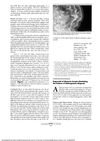
January 1997 in “Archives of Dermatology” This retrospective study of 1604 alopecia areata cases reported 13 instances of a potentially new hair regrowth pattern, termed the "androgenetic-like pattern".
 December 2022 in “Small methods”
 This study developed dissolving microneedles incorporating a new AR degrader for treating androgenetic alopecia, showing that a single application leads to superior hair regeneration compared to daily minoxidil, without systemic toxicity or androgen-related issues.
January 2025 in “Journal of Controlled Release” This study developed a gas-propelled microneedle patch with puerarin/quercetin nanoparticles, which demonstrated improved hair-regenerating effects in an androgenetic alopecia mouse model by increasing drug delivery, alleviating oxidative stress, promoting angiogenesis, and rejuvenating senescent cells.
In this study, a dual soft drug design strategy improved the AR antagonist candidate 39, showing potent AR antagonism and good safety in a mouse hair-growth model, with similar efficacy to pyrilutamide but faster response.
 January 2016 in “Springer eBooks”
 This article reviews the classification systems for androgenetic alopecia and reports no new research findings.
3 citations
,
December 1975 in “PubMed” This study found that acid and alkaline phosphatases serve different functions in Beagle dog skin, with ALP primarily involved in growth processes and ACP in phospholipid breakdown.
 13 citations
,
March 2017 in “Genomics”
13 citations
,
March 2017 in “Genomics” This study reported that pathways related to apoptosis, cell proliferation, and WNT signaling might be key drivers of hair loss in androgenetic alopecia, guiding potential targets for therapy development.
 September 2025 in “Medicine”
 This study found that male patients with androgenetic alopecia exhibited signs of increased arrhythmia risk, such as higher P-wave dispersion and lower corrected QT interval on ECG, suggesting potential benefits from closer cardiac monitoring.
January 2015 in “Faculty of 1000 Research Ltd” Androgenetic alopecia may be irreversible due to the detachment of a muscle from hair follicles.
 42 citations
,
August 2017 in “Human Reproduction”
42 citations
,
August 2017 in “Human Reproduction” This study observed that a longer anterior clitoral anogenital distance (AGDAC) is associated with polycystic ovary syndrome in adult Mediterranean women.

In this study, researchers optimized the soft drug AR antagonist 14-P1 to create candidate 39, which demonstrated effective AR antagonism and safety in a hair-growth mouse model, showing similar efficacy to pyrilutamide but with quicker onset and a lower risk of systemic toxicity.
 142 citations
,
March 2019 in “Frontiers in Cellular Neuroscience”
142 citations
,
March 2019 in “Frontiers in Cellular Neuroscience” This review discusses the development and potential therapeutic applications of adenosine receptor agonists and positive allosteric modulators, noting that while many clinical trials have been unsuccessful, initial results for new compounds are promising.