July 2026 in “European Urology Focus” This study found a significant association between baldness patterns, particularly vertex and early-onset baldness, and an increased risk of prostate cancer.
 June 2026 in “International Journal of Molecular Sciences”
 This review synthesizes current evidence on the Warburg effect in anaplastic thyroid carcinoma and discusses potential therapeutic targets, but reports no new clinical results.
 May 2026 in “Discover Oncology”
 This review discusses the role of LGR4 in tumors, highlighting its involvement in cancer progression, metastasis, and chemotherapy resistance, as well as its regulatory effects on tumor stem cell self-renewal and stem cell characteristics, based on multiple recent studies.
 April 2026 in “Antioxidants”
 In this study, broccoli sprout extract and sulforaphane were found to reduce cell viability, suppress growth, and induce apoptosis in breast cancer cells, and oral broccoli sprout extract inhibited tumor growth in animal models, suggesting it may be effective in managing breast cancer.
 March 2026 in “Dermatopathology”
 This study found that sebaceous gland-derived cutaneous adnexal carcinomas exhibited the highest frequency of genomic alterations compared to other tumor types.
 February 2026 in “International Journal of Molecular Sciences”
 This review discusses the potential benefits of hyperthermia in cancer therapy, combined with natural compounds, to enhance treatment efficacy and reports no new clinical results.
January 2026 in “Medicina” In this study, researchers documented the immunohistochemical distribution of CD34 in basal cell carcinoma and found distinct patterns of CD34 expression, with variations in CD34 positivity between different areas of BCC tumor stroma and adjacent skin regions.
January 2026 in “International Journal of Molecular Sciences” This study found that inhibiting the Hedgehog pathway may reduce proliferation and migration in melanoma, suggesting its potential repurposing as a therapeutic target.
December 2025 in “Pharmaceutics” This review highlights new perspectives in genomics and epigenomics for skin rejuvenation, comparing innovative strategies like senolytics and DNA repair modulators with classical treatments, and emphasizing the importance of tailoring therapies using individual genomic profiles for personalized anti-ageing approaches.
December 2025 in “Neurobiology of Stress” This study found that individuals with a recent history of suicide attempts exhibited altered DHEA hair levels, suggesting possible dysregulation of the HPA axis as a biopsychosocial feature, and recommends further investigation into hair hormones as potential markers of suicidal crisis and vulnerability.
November 2025 in “Cancers” This study conducted a meta-analysis and found that men with both frontal and vertex male pattern baldness have a slightly increased risk of developing prostate cancer, though most data was from Caucasian populations and effect modification by genetic variations was not assessed.
November 2025 in “Clinical and Translational Allergy” This study developed a consensus document to guide danazol discontinuation in hereditary angioedema patients, enhancing the standardization and safety of treatment protocols.
October 2025 in “Pharmaceuticals” This review discusses the repurposing of auranofin for oncological and non-oncological uses and highlights its early-stage clinical trial findings, suggesting further exploration of its therapeutic potential.
September 2025 in “Current Oncology” This review highlights the potential roles of long non-coding RNAs (lncRNAs) in malignant brain tumors, reporting that further research into their involvement in therapy resistance and cancer pathways could improve diagnosis and treatment outcomes.
September 2025 in “Healthcare” This review discusses the off-label use of SSRIs to manage inappropriate sexual behavior in elderly dementia patients and highlights the unclear risk of post-SSRI sexual dysfunction, noting a need for high-quality clinical trials.
August 2025 in “Andrology” In this study, the researchers reconstructed Abraham's family pedigree from the Bible's book of Genesis to explore potential medical or genetic explanations for reported cases of familial infertility, linking historical accounts with plausible scientific reasoning.
 July 2025 in “Advanced Science”
 In this study, researchers discovered two new signaling pathways that regulate how melanocytes establish pigment patterns in reconstituted hair-bearing skin, offering insights that could inform strategies to prevent hair greying.
 January 2025 in “PLoS ONE”
 This study found that ING5 knockout mice are prone to developing lymphomas and severe dermatitis, suggesting ING5 plays a role in tumor suppression and stem cell maintenance in vivo.

This study explored social perceptions of men with androgenetic alopecia, finding that increased hair loss was associated with perceptions of being older, less attractive, smaller, and less masculine, but more family-oriented and socially agreeable, highlighting how hair loss influences first impressions.
 August 2024 in “Drug Design Development and Therapy”
 This review explores the biological applications and pharmacokinetics of decursin, a compound isolated from Angelica gigas, highlighting its potential neuroprotective, anti-inflammatory, and anticancer properties based on in vitro and in vivo studies.

This study found that increasing hair loss in men was associated with appearing older, less attractive, and less successful, but more family-oriented and likeable, highlighting the influence of hair loss on first impressions.
 January 2024 in “Current research in toxicology”
 This review reports that thallium poisoning causes severe neurological damage, with early gastrointestinal symptoms and later neurological dysfunction, and highlights the importance of early diagnosis and Prussian blue as an effective antidote.
December 2023 in “International journal of molecular sciences” This in vitro study found sex chromosome differences affect steroidogenic enzyme activity and androgen receptor expression in human skeletal muscle cells, showing varied responses to testosterone exposure between 46XY and 46XX cells.
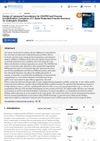 November 2023 in “ACS Omega”
 This study reported that a novel cationic liposome formulation for delivering encapsulated Cas9 protein and sgRNA successfully decreased SRD5α2 mRNA expression by 29.7% in vitro, suggesting a potential alternative treatment option for conditions like prostate cancer and benign prostatic hyperplasia without current drug side effects.
November 2023 in “Biology” This study investigated m6A RNA modification in hair follicle development, finding that Hycole rabbits displayed longer hair, higher primary hair follicle ratios, and thicker skin compared to Rex rabbits, while also identifying key differential genes and pathways involved in hair growth.
November 2023 in “Children” In this study, valproic acid, levetiracetam, and phenytoin were the main anti-seizure medications associated with adverse drug reactions in pediatric epilepsy patients, with younger children and those on polytherapy at higher risk.
October 2023 in “Cancers” In this retrospective study, patients with cutaneous squamous cell carcinoma located in highly sun-exposed areas had a higher risk of local recurrence compared to those with tumors in less sun-exposed areas, though metastasis rates did not differ between the groups.
September 2023 in “International journal of molecular sciences” This study reviews progress in understanding how redesigned lipid metabolism supports energy production and treatment resistance in advanced carcinomas, highlighting a hypothesis supported by preclinical and clinical evidence and suggesting potential clinical targeting of resistance mechanisms.
 June 2023 in “Pharmaceuticals”
 This review reports that sex-related differences in pharmacological response have been observed in SARS-CoV-2 infection, dyslipidemia, and diabetes mellitus, with implications for treatment strategies; for example, men may respond better to genomic vaccines for SARS-CoV-2, while women may benefit more from certain antiviral medications.
 March 2023 in “Lecture Notes in Education Psychology and Public Media”
 This analysis found that women preferred men with beards for short-term relationships and clean-shaven men for long-term relationships, while men preferred long-haired women for long-term relationships but had no preference for short-term relationships.