28 citations
,
July 2005 in “Journal of Investigative Dermatology” Sca-1+ cells in newborn mouse skin may become fat cells.
December 2013 in “Pump Industry Analyst” This study found that using particle-based antigen delivery in combination with cyanoacrylate skin surface stripping is an effective needle-free method for targeting HIV-1 p24 protein to skin cells, enhancing transcutaneous vaccination potential.
 3 citations
,
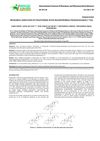
November 2017 in “International Journal of Pharmacy and Pharmaceutical Sciences”
3 citations
,
November 2017 in “International Journal of Pharmacy and Pharmaceutical Sciences” This study identified new oxidative derivatives of finasteride, including a newly discovered metabolite, by using the fungus Macrophomina phaseolina.
August 2026 in “JAMA Dermatology” This study found that upadacitinib significantly improved hair regrowth compared to placebo in adults and adolescents with severe alopecia areata, and demonstrated a positive benefit-risk profile.
In this case report, topical application of fluocinolone acetonide acetate ointment increased hair length and thickness in three family members with congenital hypotrichosis.
January 2013 in “프로그램북(구 초록집)”  55 citations
,
June 2013 in “Dermatologic Surgery”
55 citations
,
June 2013 in “Dermatologic Surgery” This review discusses the use of ablative and nonablative fractional resurfacing for enhanced topical drug delivery in dermatology and reports no new clinical results; further studies are needed to explore these methods.
6 citations
,
January 2024 in “International Journal of Dermatology” This study examined FAERS data and found an increasing trend in alopecia areata cases, with monoclonal antibodies most frequently linked to the condition.
 2 citations
,
October 2022 in “The journal of investigative dermatology/Journal of investigative dermatology”
2 citations
,
October 2022 in “The journal of investigative dermatology/Journal of investigative dermatology” This study found that Aire‒/‒ mice spontaneously developed persistent AA-like lesions, highlighting a potential role for AIRE in hair follicle biology and pathogenesis of alopecia areata.
April 2025 in “International Journal of Dermatology” This article proposes renaming frontal fibrosing alopecia to frontal fibrosing alopecia syndrome to better reflect its varied presentations and enhance understanding and treatment approaches.
23 citations
,
May 2017 in “Journal of the American Academy of Dermatology” This study found that patients with frontal fibrosing alopecia had lower epidermal melanocyte counts and reduced epidermal thickness compared to lichen planopilaris patients and controls, suggesting a link with hypopigmentation.
7 citations
,
August 1996 in “The Journal of Clinical Endocrinology and Metabolism” 10 citations
,
August 2024 in “Chemical Engineering Journal” This study found that a microenvironment-responsive ATAN-Met hydrogel system improved infective diabetic wound healing by enhancing re-epithelialization, neurovascular and hair follicle regeneration, and exhibited antibacterial and immunoregulatory effects, activated beneficial pathways, and responded to glucose/ROS for drug release.
 August 2016 in “Journal of Investigative Dermatology”
 This study reported improvement in hair loss lesions in C3H/HeJ mice with alopecia areata following treatment with the CCR5 inhibitor maraviroc, alongside reduced infiltration of specific T cells in the lesions.
September 2018 in “The Journal of Urology” This review discusses FAERS data on 5-alpha reductase inhibitors and their potential implications for post-finasteride syndrome, but it does not report any new clinical results.
9 citations
,
January 2023 in “Journal of Clinical Medicine” This study presents a validated questionnaire, the FFA-QLI, which effectively assesses and differentiates the quality of life impact among patients with frontal fibrosing alopecia, showing greater sensitivity in identifying severe cases than the DLQI.
 November 2022 in “The journal of investigative dermatology/Journal of investigative dermatology”
 This study found that YAP1 localization and expression patterns in human skin xenografts resembled pathological conditions, suggesting that YAP1 may be a potential target for treating skin pathologies.
 27 citations
,
February 2014 in “Experimental Dermatology”
27 citations
,
February 2014 in “Experimental Dermatology” This study found that dermal papilla cells from balding scalp follicles secrete significantly less insulin-like growth factor-1 and its binding proteins, suggesting a mechanism contributing to male pattern baldness.
March 2023 in “Reactions Weekly” January 2009 in “Xiandai huagong” This research outlines a chemical synthesis process for Finasteride, detailing the conversion of pregnadienolone acetate through various chemical reactions and modifications.
 December 2023 in “bioRxiv (Cold Spring Harbor Laboratory)”
 This study found that AP-2α and AP-2β transcription factors are crucial for maintaining adult skin homeostasis, with their inactivation in keratinocytes leading to impaired differentiation, hair abnormalities, and inflammation, highlighting their key regulatory roles.
8 citations
,
July 2017 in “The journal of investigative dermatology/Journal of investigative dermatology” This study identified four circulating microRNAs as highly predictive of frontal fibrosing alopecia status, suggesting potential roles in diagnostics and disease understanding.
 11 citations
,
May 2023 in “Journal of Cutaneous Medicine and Surgery”
11 citations
,
May 2023 in “Journal of Cutaneous Medicine and Surgery” This study found that combining plasma rich in growth factors with conventional treatment significantly improved hair regrowth and reduced symptoms in patients with frontal fibrosing alopecia compared to conventional treatment alone.
This study found that 2-hydroxy-1,4-naphthoquinone was the most effective inhibitor of steroid 5α-reductase, showing stronger inhibition than avicequinone C in HaCaT cell assays.
 4 citations
,
March 2014 in “The FASEB Journal”
4 citations
,
March 2014 in “The FASEB Journal” This study observed that deleting ARNT in keratinocytes of mice reduced zigzag hair production and altered hair follicle differentiation, likely by affecting the expression of specific cyclin-dependent kinase inhibitors.
February 2013 in “Seoul National University Open Repository (Seoul National University)” Ameloblasts and odontoblasts help hair follicles regenerate.

This study found a significant positive association between higher air quality index values and the incidence of alopecia areata, with a clear dose-response relationship observed among the participants.

This study found that the optimized AR antagonist compound 39 showed potent hair growth activity with improved safety in mice, suggesting potential for better topical treatments for androgenetic alopecia.

This study reports that the newly optimized AR antagonist 39 demonstrated effective hair growth and safety in a mouse model of androgenetic alopecia, showing comparable efficacy to pyrilutamide with faster response and favorable pharmacokinetics, due to innovative structural design and dual metabolic inactivation strategy.
January 2005 in “Experimental Dermatology” This abstract reviews recent findings on genetic factors in acne, highlighting the potential of genetic studies to advance understanding of its pathogenesis, but reports no new clinical results.