 1 citations
,
June 2026 in “Dermato”
1 citations
,
June 2026 in “Dermato” This narrative review found that ritlecitinib shows consistent effectiveness and a favorable safety profile for treating alopecia areata in clinical trials and real-world settings, with progressive hair regrowth observed, particularly when treatment is initiated early and maintained appropriately.
137 citations
,
January 2006 in “Frontiers in bioscience” This review discusses the role of corticotropin-releasing hormone in human skin, focusing on its regulation, receptors, and functions, and highlights parallels with the hypothalamo-pituitary-adrenal axis; it reports no new research findings.
December 2025 in “JGH Open” In this case study, a 78-year-old Japanese woman with Cronkhite-Canada syndrome experienced mesenteric lymphadenopathy, which reduced in size after treatment with the corticosteroid prednisolone. This suggests that mesenteric lymphadenopathy, though uncommon in CCS, may respond to steroid therapy.
 43 citations
,
May 1986 in “Clinics in Endocrinology and Metabolism”
43 citations
,
May 1986 in “Clinics in Endocrinology and Metabolism” This review examines androgen status in male and female obesity and its influence on the metabolic syndrome, but reports no new clinical results.
 May 2025 in “Journal of Nanobiotechnology”
 This study reported that an ATRA-loaded nanostructured lipid carrier gel (ATRA-NLC-Gel) improved symptoms of alopecia areata in mice by enhancing transdermal drug delivery, reducing skin irritation, and promoting hair regrowth through targeted follicle enrichment and pathway activation.
7 citations
,
August 2024 in “Clinical and Experimental Dermatology” In this retrospective study conducted at a trichology clinic, the off-label use of upadacitinib for at least 24 weeks was found to have a promising efficacy and safety profile for treating severe alopecia areata in adolescents.
86 citations
,
January 2020 in “British Journal of Dermatology” This study developed the Alopecia Areata Investigator Global Assessment (AA-IGA) to measure scalp-hair loss in alopecia areata patients, incorporating perspectives of both patients and clinicians to define treatment success.
May 2026 in “Journal of Medicinal Chemistry” In this study, the authors developed a novel PROTAC named dAR-6–1, which demonstrated superior hair regeneration in an AGA mouse model compared to minoxidil, highlighting its promise as a therapy due to potent AR degradation and excellent skin permeability.
 2 citations
,
November 2017 in “Elsevier eBooks”
2 citations
,
November 2017 in “Elsevier eBooks” This article discusses the role of the androgen receptor in regulating development and homeostasis, and reviews treatment approaches for conditions related to hormone imbalances, without reporting new clinical findings.
 18 citations
,
February 2010 in “Odontology”
18 citations
,
February 2010 in “Odontology” This report describes Rabson-Mendenhall syndrome cases in two siblings and briefly reviews the literature, highlighting insulin receptor gene mutations as the underlying cause.
May 2019 in “Journal of Evidence Based Medicine and Healthcare” In this study, 1.9% of patients at a dermatology outpatient department were diagnosed with alopecia areata, with the most common affected age group being 20-40 years.
 May 2026 in “Zenodo (CERN European Organization for Nuclear Research)”
 This review highlights the dual nature of Abrus precatorius Linn., known for its toxic compound abrin and medicinal potential. The research emphasizes its traditional uses, phytochemical diversity, and pharmacological effects, while calling for standardization and controlled trials to ensure safety and efficacy in therapeutic applications.
January 2026 in “Annals of Dermatology” This source suggests that alitretinoin may be a safe and potentially effective treatment for patients with mild to moderate alopecia areata not responding to conventional therapies, though further research is needed to confirm its role, either alone or as an adjunct.
 127 citations
,
July 2002 in “EMBO journal”
127 citations
,
July 2002 in “EMBO journal” This study found that RXRα/RARγ heterodimers are necessary for retinoic acid-induced keratinocyte proliferation in the skin, while normal epidermal maintenance does not require RAR-mediated signaling.
January 2018 in “International Society of Hair Restoration Surgery” This announcement details employment opportunities at the Anderson Center for Hair and includes no clinical research findings.
January 2025 in “Dermatologic Therapy” This study found that ablative fractional carbon dioxide laser treatment improved skin fibrosis, reduced skin hardening, and enhanced hair follicle growth in localized scleroderma patients, with significant improvements across several clinical measures and no severe adverse effects observed.
September 2025 in “Journal of the American Academy of Dermatology” January 2026 in “Experimental Dermatology” The study suggests that refractory chronic alopecia areata cases have more infiltrating skin resident memory T cells, and using a JAK inhibitor may be an effective treatment option.
June 2025 in “Rapid Communications in Mass Spectrometry” November 2025 in “American Journal of Case Reports” This case report describes a child with acrodermatitis enteropathica and normal zinc levels who developed Kaposi's varicelliform eruption, highlighting the role of novel SLC39A4 variants and the importance of early zinc supplementation and antiviral prophylaxis.
 86 citations
,
August 2011 in “Toxicological sciences”
86 citations
,
August 2011 in “Toxicological sciences” In this study, researchers found that TCDD exposure accelerated differentiation and altered gene expression in human epidermal cells, indicating the epidermal barrier as a target of TCDD-activated AHR.
 22 citations
,
November 2021 in “Dermatology and Therapy”
22 citations
,
November 2021 in “Dermatology and Therapy” This study found that the Alopecia Areata Patient Priority Outcomes questionnaire is a reliable and valid tool for measuring the severity and impact of hair loss in individuals with alopecia areata.
 June 2026 in “Journal of health economics and outcomes research”
 In this study, researchers found that ritlecitinib 50 mg offered a lower cost per responder than baricitinib 2 or 4 mg at both 24 and 52 weeks for treating severe alopecia areata, suggesting potential implications for reimbursement or formulary decisions.
48 citations
,
July 2023 in “Pediatric Dermatology” This study found that among adolescents with alopecia areata and significant hair loss, treatment with ritlecitinib resulted in greater hair regrowth and self-reported improvement compared to placebo over 48 weeks, with common side effects including headache, acne, and nasopharyngitis.
September 2023 in “Journal of the American Academy of Dermatology” This study found that oral Janus kinase inhibitors were effective in treating alopecia areata, with a clinical response rate of 48.3%, though further research is needed to assess long-term effects.
July 2026 in “Dermatology and Therapy” In this retrospective study, baricitinib and ritlecitinib showed similar effectiveness and safety over 52 weeks for treating severe alopecia areata, with non-severe adverse events more common for baricitinib, driven by weight gain.
5 citations
,
September 2023 in “Archives of Dermatological Research” In this retrospective study of 123 pediatric alopecia areata patients, hair loss episodes were most frequent in winter and showed significant correlations with air pressure and hours of sunlight, especially in non-atopic individuals, suggesting a role for climate factors in seasonal hair loss patterns.
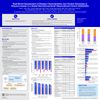
In this retrospective study of alopecia areata patients across several European countries, researchers observed a notable reduction in SALT scores, but few patients reached or maintained a clinically significant SALT score of ≤20, indicating potentially limited effectiveness of current treatments for extensive hair loss.
5 citations
,
August 2024 in “Frontiers in Immunology” In this study, upadacitinib was reported as effective in rapidly treating psoriasiform eczema in five male patients and showed varying degrees of effectiveness on other immune-mediated comorbidities like alopecia areata, vitiligo, ulcerative colitis, and hidradenitis suppurativa.