This study tested a novel cryo-carboxy dispensing device for treating androgenetic alopecia in six volunteers and found an unexpectedly rapid and positive response, with significant hair regrowth observed by day 90, prompting early conclusion of the trial.
July 2022 in “Journal of Investigative Dermatology” Arg1+ macrophages may play a role in Alopecia Areata, offering new treatment targets.
9 citations
,
August 2011 in “The World Journal of Men s Health” This study concluded that administering 5-alpha reductase inhibitors before photoselective vaporization of the prostate increased hemoglobin change, lasing time, and energy required during the procedure compared to controls.
191 citations
,
November 2007 in “Journal of Biological Chemistry” This review discusses the acyl-CoA synthetase very-long-chain (ACSVL) enzyme family, including its biochemical characteristics, tissue expression, and involvement in lipid metabolism, but presents no new experimental results.
April 2023 in “Journal of Investigative Dermatology” This study found that intradermal injection of a specially designed RNA molecule, cp-asiAR, successfully reduced androgen receptor levels and promoted hair growth in a mouse model of androgenetic alopecia, while also improving hair follicle characteristics in ex vivo human scalp tissues without significant toxicity.
April 2024 in “Institutional Repositories DataBase (IRDB)” This study identified 11 previously unreported ABCA12 variants associated with varying severities of autosomal recessive congenital ichthyoses and expanded the phenotype spectrum of ichthyosis linked to these variants.
July 2026 in “Journal of the American Academy of Dermatology”  January 2025 in “Lasers in Medical Science”
 In this reported case, a 13-year-old boy with alopecia areata experienced complete lesion resolution and varied hair regrowth across different laser treatment parameters after three months of combined oral prednisone, topical ointment, and CO2 fractional laser therapy.
August 2024 in “Journal of Photochemistry and Photobiology B Biology” In this study, the combination of low level light therapy with arginine, arterial extract, or biotin tripeptide-1 was associated with improvements in hair density and follicle structure in androgenic alopecia.
 April 2023 in “The journal of investigative dermatology/Journal of investigative dermatology”
 This study found that treatment with ritlecitinib led to significant scalp hair regrowth in patients with alopecia areata at Weeks 24 and 48, with higher response rates observed in those receiving 50 mg compared to 30 mg doses.
 January 2019 in “Acta dermatovenerologica Alpina, Pannonica et Adriatica (Tiskana izd.)”
 This study found that the treatment group experienced a higher average increase in hair counts than the placebo group, but the difference was not statistically significant.
 July 1991 in “Endocrinology”
 This study suggests that combining the 5α-reductase inhibitor 4-MA with the antiandrogen Flutamide may improve prostate cancer therapy by additively inhibiting prostatic growth and androgen-sensitive functions in rats.
55 citations
,
October 2015 in “Journal of Investigative Dermatology” Alopecia areata is linked to immune-related genes, suggesting JAK inhibitors as a potential treatment.
 August 2016 in “Journal of Investigative Dermatology”
 This study reported improvement in hair loss lesions in C3H/HeJ mice with alopecia areata following treatment with the CCR5 inhibitor maraviroc, alongside reduced infiltration of specific T cells in the lesions.
10 citations
,
November 2017 in “Letters in drug design & discovery” This paper discusses a structure-based analysis to find new BRD4 inhibitors, identifying finasteride and amentoflavone as promising candidates for BET inhibition.
October 2021 in “Book Publisher International (a part of SCIENCEDOMAIN International)” This study explored a new treatment for Alopecia Areata, combining high negative pressure microdermabrasion with intralesional steroid injections, and compared its effects to steroid injections alone, although the abstract does not report specific outcomes.
 August 2023 in “Journal of Cosmetic Dermatology”
 In this study, injecting two different concentrations of botulinum toxin A was found to be safe and effective for treating androgenetic alopecia in Egyptian men and women, with improvements in hair grade and vellus hair density observed over six months.
 1 citations
,
January 2017 in “Springer eBooks”
1 citations
,
January 2017 in “Springer eBooks” This review discusses recent advances in understanding alopecia areata's disease mechanisms and highlights JAK molecules as promising therapeutic targets, but reports no new clinical results; controlled trials are needed.
 1 citations
,
September 2023 in “Journal of the American Academy of Dermatology”
1 citations
,
September 2023 in “Journal of the American Academy of Dermatology” This study focused on baricitinib's effect on patients with severe alopecia areata, highlighting its efficacy for hair regrowth and its potential to improve health-related quality of life and psychological symptoms, as seen in two phase 3 trials.
June 2025 in “British Journal of Dermatology” This study detailed the implementation of an autonomous AI device in an NHS skin cancer pathway, showing that it achieved a sensitivity of 97.3% for diagnosing skin cancers and exceeded sensitivity targets compared to specialists with a negative predictive value over 99.7%.
March 2026 in “Journal of Investigative Dermatology” This study found that GPT-4o demonstrated high concordance with in-person and image-based provider assessments in generating SALT scores for alopecia areata, suggesting its potential as an adjunct tool in clinical practice for automating these assessments.
 January 2024 in “Biomedicines”
 This study found that a single injection of autologous cell micrografts significantly improved hair condition in women with androgenetic alopecia six months post-treatment.
January 2026 in “Dermatologic Therapy” In this study, photobiomodulation therapy applied twice weekly for 12 weeks significantly improved hair regrowth and quality of life in alopecia areata patients, with no noted side effects.
 1 citations
,
March 2024 in “Skin health and disease”
1 citations
,
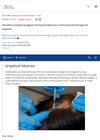
March 2024 in “Skin health and disease” This study found that vibration assisted analgesia reduced pain during intralesional corticosteroid therapy for hair loss, enabling treatment in a broader range of patients, including those with needle phobia.
54 citations
,
December 2004 in “PubMed” This study suggests that topical Cyclosporin A formulations, with or without a penetration enhancer, effectively stimulated hair regrowth in a rat model of alopecia areata.
 4 citations
,
July 2020 in “Biochemical and Biophysical Research Communications”
4 citations
,
July 2020 in “Biochemical and Biophysical Research Communications” This study suggests that EDA-A2 induces apoptosis in hair follicles by increasing DKK-1 expression, implicating EDA2R signaling as a potential therapeutic target for androgenetic alopecia.
This study highlights that azelaic acid, initially recognized for skin hypopigmentation, shows potential in treating various skin conditions due to its complex mechanisms, even though these are not yet fully understood, indicating a need for further research.
 1 citations
,
September 2023 in “Journal of Education Health and Sport”
1 citations
,
September 2023 in “Journal of Education Health and Sport” This study provides a comprehensive analysis of anabolic-androgenic steroids, reporting that their use enhances muscle mass but is associated with significant health issues including cardiac muscle hypertrophy, liver disease, and changes in gender characteristics, emphasizing the need for patient awareness of these risks.
 6 citations
,
January 2020 in “International journal of biological sciences”
6 citations
,
January 2020 in “International journal of biological sciences” In this study, deletion of ROBO4 in mice ameliorated hair loss caused by elevated PAF levels, suggesting potential interplay with VLDLR-related pathways.
 9 citations
,
January 2018 in “Journal of the European Academy of Dermatology and Venereology”
9 citations
,
January 2018 in “Journal of the European Academy of Dermatology and Venereology” A male patient developed frontal fibrosing alopecia after antiandrogen therapy for prostate cancer.