15 citations
,
June 2019 in “Biochemical Journal” This study identified a heterozygous de novo mutation in the ODC1 gene causing a new disorder characterized by overgrowth and developmental delay, and suggests that DFMO treatment may help manage elevated ODC activity and putrescine levels.
 February 2025 in “Infectious Diseases & Immunity”
 This case report highlights two instances of suspected human herpesvirus 6 reactivation in patients with existing psychiatric disorders, underscoring the need for further research into the relationship between viral reactivation and psychiatric conditions.
 39 citations
,
August 2022 in “Cell Death and Disease”
39 citations
,
August 2022 in “Cell Death and Disease” This study found that a dopamine-methacrylated hyaluronic acid hydrogel enhances the efficacy of adipose-derived stem cells in promoting skin regeneration, potentially involving the Notch signaling pathway.
 8 citations
,
September 2004 in “Contact dermatitis”
8 citations
,
September 2004 in “Contact dermatitis” Avoiding dyed wigs and clothing improved severe allergic reactions in a woman treated with diphencyprone.
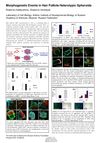
This study found that hyaluronic acid increased the size of hair follicle germ-like aggregates and the number of proliferative cells but did not maintain specific markers during the process.
January 2018 in “bioRxiv (Cold Spring Harbor Laboratory)” This study found that the mutant hairless rhino bald protein in mice interacts with the vitamin D receptor but cannot repress its transactivation and shows abnormal cellular localization.
10 citations
,
August 2010 in “Hereditas (Beijing)” This review summarizes the role of Hoxc13 in regulating hair follicle development and growth, noting its influence on keratin and keratin-associated proteins, and reports no new experimental findings.
April 2020 in “The journal of investigative dermatology/Journal of investigative dermatology” This source reports that a study by Liu et al. analyzed genetic factors influencing adalimumab response in hidradenitis suppurativa, finding a specific genetic variant (SNP rs59532114) associated with an inadequate response to the treatment due to increased abscess and inflammatory nodule counts.
October 2014 in “Microscopy” This study found that using ionic liquid for specimen preparation allowed for observation of dermal papilla cells and their cilia in near-living conditions, reducing damage typically caused by conventional preparation methods.
July 2025 in “Journal of Investigative Dermatology” Reduced AhR signaling in HS tunnels leads to persistent inflammation and microbial imbalance.
February 2026 in “Experimental Dermatology” In human hair follicle cultures, this study found that cyclohexyl salicylate, an OR2A4/7 agonist, promoted hair growth by delaying catagen development and expanding epithelial stem cell progeny, suggesting its potential as a non-drug hair loss treatment.
7 citations
,
December 1971 in “European Journal of Endocrinology” Human hair follicles can process steroid hormones like DHEA.
29 citations
,
January 1996 in “The Journal of Clinical Endocrinology & Metabolism” This study identified a compound heterozygous mutation in the 3 beta-HSD gene that confirmed inherited 3 beta-HSD deficiency in a Pakistani child with salt-wasting congenital adrenal hyperplasia.
 September 2024 in “Journal of Medicine and Life”
 In this study, researchers identified a recurrent nonsense mutation, c.409C>T (p.Arg137*), in the COL7A1 gene through whole exome sequencing in a family with autosomal recessive dystrophic epidermolysis bullosa, demonstrating the importance of this method for diagnosing genetically complex conditions.
 35 citations
,
April 2014 in “American Journal of Medical Genetics”
35 citations
,
April 2014 in “American Journal of Medical Genetics” The study reported a significant genotype–phenotype correlation in prepubescent males with XLHED, particularly in the severity of skin and hair manifestations between those with different EDA mutations.
11 citations
,
June 1979 in “British Journal of Dermatology” This study found that the dehydroepiandrosterone hydroxylating enzyme system in hair follicles is similar to the liver monooxygenase system, sharing characteristics such as inhibition by carbon monoxide and dependency on NADPH.
 December 2023 in “Materials Today Sustainability”
 Scientists made glow-in-the-dark dots from human hair that can detect iron, prevent counterfeiting, and reveal fingerprints.
175 citations
,
August 1997 in “Nature Genetics” 1 citations
,
August 2015 in “PubMed” This case study reports an Asian female with congenital adrenal hyperplasia presenting atypically with polymenorrhagia, who showed improvement with oral dexamethasone, despite no change in hirsutism or clitoromegaly.
June 2010 in “Chinese Journal of Dermatology” This study found a novel R430Q gene mutation in hHb6, which may be linked to the hereditary hair disorder monilethrix in the examined family.
37 citations
,
September 2009 in “JEADV. Journal of the European Academy of Dermatology and Venereology/Journal of the European Academy of Dermatology and Venereology” This study found that diphencyprone is an effective and safe treatment for extensive alopecia areata, especially with long-term therapy and maintenance to reduce relapse risk.
 November 2022 in “Journal of Investigative Dermatology”
 This study demonstrated that hiPSC-derived hair-bearing skin organoids lacked sufficient type VII collagen at the epidermal-dermal junction, indicating a need for further maturation to model certain forms of epidermolysis bullosa effectively.
 3 citations
,
May 1990 in “Journal of Steroid Biochemistry”
3 citations
,
May 1990 in “Journal of Steroid Biochemistry” This study found that diagnosing non-classical 3 beta-hydroxysteroid dehydrogenase deficiency solely based on elevated serum or urinary 5-ene-steroids may not be reliable.
1 citations
,
May 2024 in “Communications Biology” This study found that Dab2 conditional knockout mice experienced delayed hair follicle cycles and reduced hair follicle stem cell activity, suggesting Dab2's crucial role in regulating stem cell activation and anti-aging process in hair follicles.
 49 citations
,
December 2017 in “Journal of pharmaceutical and biomedical analysis”
49 citations
,
December 2017 in “Journal of pharmaceutical and biomedical analysis” This study developed and validated a high-resolution mass spectrometry method to screen for prohibited substances and analyze six endogenous steroids in urine according to World Antidoping Agency requirements, demonstrating its effectiveness for antidoping analysis.
 36 citations
,
January 2019 in “Nature communications”
36 citations
,
January 2019 in “Nature communications” This study found that Ldh activity in hair follicle stem cell-mediated squamous cell carcinoma is not necessary for tumorigenesis, as its modulation did not affect the cancer's development or characteristics.
1 citations
,
January 1988 In this study, topical dehydroepiandrosterone (DHEA) doubled sebum production in women without systemic side effects, suggesting it may be a safe treatment for reduced sebum output related to menopause.
8 citations
,
July 2015 in “International Journal of Dermatology” This study reports that a homozygous A1103G mutation in DSG 4 is responsible for localized autosomal recessive hypotrichosis in a 2-year-old Chinese girl, resulting in reduced DSG 4 expression and hair defects.
 2 citations
,
October 2001 in “Analytical Sciences”
2 citations
,
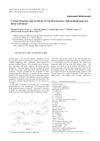
October 2001 in “Analytical Sciences” A new compound that could treat various androgen-related conditions was created and analyzed.
 July 2008 in “Hair transplant forum international”
 This piece marks the tenth anniversary of the American Board of Hair Restoration Surgery and highlights the addition of 14 new diplomates from diverse countries, while reporting no new clinical findings.