 November 2023 in “Burns and trauma”
 This review discusses how the skin microbiome impacts different types of cutaneous wounds, such as acute and chronic, and explores therapeutic strategies targeting the microbiome to enhance healing outcomes.
114 citations
,
February 2023 in “International Journal of Molecular Sciences” This review discusses the relationship between skin microbiome changes and conditions such as ageing and skin disease, emphasizing the need for further research, but reports no new findings.
1 citations
,
January 2023 in “Science Advances” This study found that bacterially induced metabolic changes in stem cells can enhance skin and hair follicle regeneration in both mice and humans, suggesting potential strategies for improving recovery after injury.
 8 citations
,
October 2022 in “Cold Spring Harbor perspectives in biology”
8 citations
,
October 2022 in “Cold Spring Harbor perspectives in biology” The document concludes that better understanding the wound microbiome can improve chronic wound care by preserving helpful bacteria and targeting harmful ones.
100 citations
,
August 2022 in “Microbial Cell Factories” This review discusses the interactions between skin microbiota and human skin health, examining how imbalances may contribute to skin diseases, and reports no new clinical results.
 47 citations
,
March 2022 in “Frontiers in cellular and infection microbiology”
47 citations
,
March 2022 in “Frontiers in cellular and infection microbiology” This review discusses the role of the skin microbiome in the pathogenesis of various skin disorders, such as atopic dermatitis and psoriasis, and reports no new clinical findings; it emphasizes potential therapeutic implications.
 53 citations
,
April 2021 in “Cell Host & Microbe”
53 citations
,
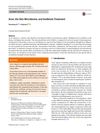
April 2021 in “Cell Host & Microbe” This study found that skin microbiota, particularly in wild-type mice, promotes wound-induced hair follicle neogenesis and wound healing, highlighting the potential downsides of routine antibiotic use on skin regeneration.
 134 citations
,
January 2019 in “American journal of clinical dermatology”
134 citations
,
January 2019 in “American journal of clinical dermatology” This review summarizes recent research on the skin microbiome's role in acne development and how antibiotic treatments affect skin microbes, but it reports no new clinical results.
365 citations
,
November 2018 in “Journal of Allergy and Clinical Immunology” This review discusses the role of the skin microbiome in maintaining health and modulating atopic dermatitis, emphasizing the need for novel therapeutic strategies, but reports no new clinical results.

