1 citations
,
January 2023 in “Science Advances” This study found that bacterially induced metabolic changes in stem cells can enhance skin and hair follicle regeneration in both mice and humans, suggesting potential strategies for improving recovery after injury.
 53 citations
,
April 2021 in “Cell Host & Microbe”
53 citations
,
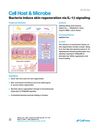
April 2021 in “Cell Host & Microbe” This study found that skin microbiota, particularly in wild-type mice, promotes wound-induced hair follicle neogenesis and wound healing, highlighting the potential downsides of routine antibiotic use on skin regeneration.
7 citations
,
March 2021 in “Journal of Investigative Dermatology” In this study, the authors observed that Staphylococcus aureus lipase gehB is crucial for bacterial penetration of hair follicles in mice, implicating lipases in inflammation and skin damage.
1425 citations
,
September 2020 in “Open Biology” This review explores the cellular mechanisms of tissue repair and discusses how advancements in understanding wound pathology could lead to the development of more effective therapies for chronic, non-healing wounds, which are prevalent among individuals with diabetes and aging.
 306 citations
,
April 2019 in “International Journal of Molecular Sciences”
306 citations
,
April 2019 in “International Journal of Molecular Sciences” This review discusses the protective roles of skin-resident immune cells in maintaining tissue homeostasis and facilitating wound healing, but reports no new experimental findings.
 70 citations
,
February 2019 in “The journal of immunology/The Journal of immunology”
70 citations
,
February 2019 in “The journal of immunology/The Journal of immunology” This study found that short-chain fatty acids produced by the skin microbe Propionibacterium acnes may drive inflammatory gene expression in sebocytes, potentially contributing to acne.
 184 citations
,
December 2018 in “Nature Communications”
184 citations
,
December 2018 in “Nature Communications” This study demonstrated that enhancing human skin constructs with hair follicles through engineered cell organization and vascularization improved hair growth in immunodeficient mice, suggesting potential advances for treating alopecia and chronic wounds.
 276 citations
,
December 2017 in “Journal of Dermatological Science”
276 citations
,
December 2017 in “Journal of Dermatological Science” This review discusses the limitations of animal models, particularly mice, in accurately predicting human skin wound healing outcomes and emphasizes understanding species-specific differences in skin characteristics for better translation to clinical settings.
158 citations
,
June 2017 in “Maturitas” This review discusses the role of estrogen deficiency in post-menopausal skin aging and wound healing, highlighting opportunities for developing estrogen receptor-targeted therapies and reports no new clinical results.
 192 citations
,
March 2017 in “Cell host & microbe”
192 citations
,
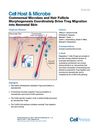
March 2017 in “Cell host & microbe” The researchers reported that hair follicle development and commensal microbe colonization promote the accumulation of regulatory T cells in neonatal skin, with the Ccl20-Ccr6 pathway playing a key role in this process.
353 citations
,
November 2014 in “Molecular immunology” This review discusses the immune functions of porcine skin and proposes a classification of dendritic cell subsets based on similarities to human skin, but it reports no new clinical results.
 96 citations
,
July 2014 in “Cold Spring Harbor Perspectives in Medicine”
96 citations
,
July 2014 in “Cold Spring Harbor Perspectives in Medicine” This review discusses various stem cell compartments in adult murine and human epidermis, examining their expressed markers and characterization assays, and reports no new experimental results.
 208 citations
,
January 2013 in “Lab on a Chip”
208 citations
,
January 2013 in “Lab on a Chip” The researchers described a chip-based bioreactor platform for dynamic perfusion, which may enhance in vitro skin models by introducing mechanical shear stress and extending culture periods.
 265 citations
,
July 2012 in “Cell”
265 citations
,
July 2012 in “Cell” This study found multipotent progenitors in sweat ducts that become unipotent after sweat gland development, highlighting distinct regenerative capabilities in adult glandular skin stem cell populations.
185 citations
,
December 2010 in “Archives of Biochemistry and Biophysics” Keratin gene mutations cause various skin and hair disorders, but new research offers hope for future treatments.
195 citations
,
December 2009 in “Journal of Investigative Dermatology” This study found that sebum free fatty acids may enhance the antibacterial defense of human sebaceous glands by upregulating the expression of the antimicrobial peptide hBD-2, potentially aiding in acne treatment.
1279 citations
,
November 2005 in “Nature Medicine”