Search
for
Sort by
Research
300-330 / 1000+ results
research SHISA6 Confers Resistance to Differentiation-Promoting Wnt/β-Catenin Signaling in Mouse Spermatogenic Stem Cells
This study found that activation of Wnt/β-catenin signaling in mouse testes promotes spermatogonial differentiation and reduces the stem cell pool, with SHISA6 inhibiting this process and maintaining stem cell characteristics.

research Expansion of the spectrum of ITGB6-related disorders to adolescent alopecia, dentogingival abnormalities and intellectual disability
This study found that a novel rare variant in ITGB6 may cause intellectual disability, alopecia, and dentogingival anomalies in a specific Pakistani family, highlighting a potential role for ITGB6 beyond enamel formation.
research Socio world
research P22-023-23 Pilot Study Protocol on Application of Non-Invasive Vitamin D Hair Test and Screening E-Tool for Indigenous Populations in the Great Northern Plains
research Transcriptional Characteristics Showed That miR-144-y/FOXO3 Participates in Embryonic Skin and Feather Follicle Development in Zhedong White Goose
This study identified key genes and miRNAs involved in feather morphogenesis in Zhedong White geese, highlighting a negative correlation between FOXO3 and miR-144-y.
research Comparative proteomic analyses using iTRAQ-labeling provides insights into fiber diversity in sheep and goats
This study found that specific proteins associated with fiber structure, hair growth, and fatty acid synthesis, including the DSC2 gene, may influence wool and hair characteristics in sheep and goats.
research 320 Desmoglein 3-mediated mechanical transadhesion controls epithelial stem cell quiescence
This study found that mechanical disruption of the desmosomal cadherin Dsg3 in hair follicle stem cells activates them from quiescence, highlighting its role as a key regulator of stem cell quiescence and epithelial niche integrity.
research Role of the Notch Ligand Delta1 in Embryonic and Adult Mouse Epidermis
Delta1 is crucial for controlling skin cell growth and preventing tumors in mice.
research Characterization of a Hair (Wool) Keratin Intermediate Filament Gene Domain
research Real-world single-center experience with 10 cases of generalized pustular psoriasis successfully treated with ixekizumab
Ixekizumab effectively treats generalized pustular psoriasis.
research Genome-wide p63-Target Gene Analyses Reveal TAp63/NRF2-Dependent Oxidative Stress Responses
This study found that TAp63 and ΔNp63 isoforms in the p63 family interact with different transcription factors to regulate distinct transcriptional programs, affecting various biological functions like metabolic pathways, oxidative stress response, and epithelial morphogenesis in mouse epidermal cells.
research 689 Cell-type-specific nascent transcriptomics through PRECISE-seq reveal molecular principles of tissue dynamics
research K25 (K25irs1), K26 (K25irs2), K27 (K25irs3), and K28 (K25irs4) Represent the Type I Inner Root Sheath Keratins of the Human Hair Follicle
This study describes the expression patterns of type I inner root sheath keratin proteins K25–K28 in human hair follicles, highlighting their distinct distribution within different layers.
research The Parathyroid Hormone Second Receptor PTH2R and its Ligand Tuberoinfundibular Peptide of 39 Residues TIP39 Regulate Intracellular Calcium and Influence Keratinocyte Differentiation
This study suggests that TIP39 and its receptor PTH2R, identified in human epidermis, may play a role in keratinocyte function and influence skin differentiation.

research Triterpenes in the Ethanol Extract of Poria cocos Induce Dermal Papilla Cell Proliferation
This study found that Poria cocos extract may enhance human follicle dermal papilla cell proliferation through the AKT signaling pathway, indicating its potential for hair growth promotion.
research Isolation and Molecular Cloning of Epidermal- and Hair Follicle-Specific Peptidylarginine Deiminase (Type III) from Rat
In this study, researchers purified and cloned rat peptidylarginine deiminase type III, demonstrating its activity and specific expression in the epidermis and hair follicles.
research 0748 Synergy of TP53 and non-canonical sonic hedgehog pathway in the development of complex basal cell carcinoma
Complex basal cell carcinomas need personalized treatment due to unique genetic mutations.

research 189 Integrating single-cell and spatial transcriptomics of human hair follicles to define transcriptional signature of follicular dermal papilla
This study used single-cell and spatial transcriptomic profiling to identify specific molecular markers in human follicular dermal papilla cells, enhancing understanding of their role in hair follicle development.

research A homozygous nonsense mutation identified in COL7A1 in a family with autosomal recessive dystrophic epidermolysis bullosa
In this study, researchers identified a recurrent nonsense mutation, c.409C>T (p.Arg137*), in the COL7A1 gene through whole exome sequencing in a family with autosomal recessive dystrophic epidermolysis bullosa, demonstrating the importance of this method for diagnosing genetically complex conditions.
research SOVEREIGN PROJECT RE-GENESIS: CONTINUOUS-WAVE PHONOPHORETIC QUANTUM-VOLUMETRIC REGENERATION SYSTEM (CQ-VRS)
This research outlines an innovative bioregeneration chamber aimed at significantly extending human lifespan and enhancing health maintenance by treating the body as a thermodynamic system, potentially enabling an average lifespan of 130 to 150 years in an advanced therapeutic setting.
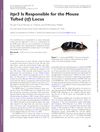
research Itpr3 Is Responsible for the Mouse Tufted (tf) Locus
This study identified the Itpr3 gene as responsible for the tufted hair loss phenotype in the BTBR mouse strain.

research DNA Methylation‐Regulated ZDHHC17 Promotes the Risk of Facial Skin Aging
This study highlights the potential of ZDHHC17 methylation as a biomarker or therapeutic target in addressing skin aging, offering new insights into its molecular mechanisms.
research Identification of a preferred substrate peptide for transglutaminase 3 and detection of in situ activity in skin and hair follicles
In this study, researchers identified a highly reactive, isozyme-specific sequence for TGase 3, contributing to understanding its distinct functional role and activity distribution in the mouse epidermis.

research Expression analysis of the type I keratin protein keratin 33A in goat coat hair
The researchers reported that keratin 33A is a structural protein specific to goat cashmere hair, with increased winter expression in high-cashmere-producing breeds.

research Rand Protease: The Role of Calcium-Binding Site on Stability with Mutagenesis and The Effectiveness on Leather Dehairing
In this study, researchers used in silico mutagenesis to identify key calcium-binding sites influencing the stability of Rand protease from Bacillus subtilis, potentially enhancing its application in industries like leather dehairing by improving stability and eliminating the need for additional metal ions during the process.

research Third World Congress of the International Academy of Cosmetic Dermatology
This research introduced and validated the Scales of General Well-Being, which reliably measures overall and specific aspects of well-being across different demographics in North America.
research Analysis of Genetic Diversity and Construction of a Core Collection of Ginkgo biloba Germplasm Using EST-SSR Markers
In this study, researchers assessed the genetic diversity of 101 Ginkgo biloba individuals using EST-SSR markers and concluded that there is a high level of genetic diversity in Ginkgo populations, facilitating the construction of a core germplasm collection for breeding purposes.

research 709 Nitric oxide-releasing topical therapeutic agent for atopic dermatitis
In this study, the novel isoprenylcysteine analog SIG-1451 was shown to inhibit pro-inflammatory cytokine release in various cell-based assays relevant to allergic dermatitis, acting on targets such as IL-4 and IL-6 with potential anti-inflammatory benefits.
research Corrigendum to: Low Molecular Weight Collagen Peptide (LMWCP) Promotes Hair Growth by Activating the Wnt/GSK-3β/β-Catenin Signaling Pathway
The authors will correct the table to show the right antibody information.