Search
for
Sort by
Research
90-120 / 1000+ results
research Experiences From a Combined Dermatology and Rheumatology Clinic
This study found that skin diagnoses in rheumatology patients were often unrelated to their underlying rheumatologic diseases, highlighting the importance of collaboration between dermatologists and rheumatologists.

research A disproportionality analysis of adverse events caused by pexidartinib from the FDA adverse event reporting system
This study analyzed pexidartinib-associated adverse events from FDA data and reported common events such as hepatic issues and systemic reactions. It highlighted sex-specific susceptibilities and reinforced the need for risk mitigation and long-term monitoring in tenosynovial giant cell tumor management.

research Roxithromycin antagonizes catagen induction in murine and human hair follicles: implication of topical roxithromycin as hair restoration reagent
In this study, topical 5% roxithromycin was effective in restoring hair growth in about half of individuals with androgenetic alopecia without causing adverse effects.

research A splice variant in KRT71 is associated with curly coat phenotype of Selkirk Rex cats
This study found an association between a splice site variant in the KRT71 gene and curly hair in Selkirk Rex cats, identifying a significant locus on chromosome B4.
research Synthesis and biological activity of raltitrexed-carrier conjugates.
This study observed that conjugates of the anticancer drug raltitrexed with dextran and albumin were more cytotoxic than the free drug at high concentrations, altering cell cycle effects.
research Topical Ruxolitinib for Folliculitis Decalvans
research Off‐Label Use of Topical Ruxolitinib in Dermatology: A Systematic Literature Review and Current Perspectives
This systematic review assessed the off-label use of topical Ruxolitinib cream for various skin conditions and found it effective for lichenoid and granulomatous dermatoses, though results for alopecia areata were inconsistent. The authors indicate that further research is warranted to confirm these findings.
research Diagnosis of breast cancer by X-ray diffraction of hair
This study reports that hair from women with breast cancer showed a unique X-ray diffraction feature, potentially offering a non-invasive method for detecting the disease.
research 237 Unveiling Skin Cancers Pathophysiology via the Modeling of Xeroderma Pigmentosum Disease Modeling Using CRISPR-Cas9 Technology
Blocking the JAK/STAT pathway may help reduce skin sensitivity in Xeroderma pigmentosum.
research SDRIFE Induced by Tofacitinib
In this case report, researchers identified a potential adverse skin reaction, called SDRIFE or Baboon syndrome, caused by the drug tofacitinib in a 19-year-old woman being treated for alopecia subtotalis, leading the authors to recommend discontinuation of the drug.

research 924 Efficient genome editing using CRISPR/Cas9 ribonucleoprotein approach in iPS cells for recessive dystrophic epidermolysis bullosa
This study demonstrated that gene-corrected 3D skin constructs from RDEB patient-derived iPSCs, grafted onto immunocompetent mice, showed normal collagen VII expression after two months.
research Activation of liver X receptors inhibits experimental fibrosis by interfering with interleukin-6 release from macrophages
This study found that activating liver X receptors with an agonist reduced skin fibrosis in experimental models, particularly in inflammation-driven conditions, by inhibiting macrophage infiltration and interleukin-6 release.
research INVESTIGATIONS INTO THE ROLE OF THE X-LINKED EPIGENETIC REGULATOR UTX (KDM6A) IN SELF-RENEWING STRATIFYING EPITHELIA
This study found that the X-linked gene UTX is crucial for regulating skin differentiation and inflammation in females by affecting retinoic acid signaling, also highlighting potential links to sex disparities in skin diseases.

research Protoporphyrin IX: the Good, the Bad, and the Ugly
This review discusses the mechanisms associated with protoporphyrin IX in living cells and reports no clinical results; the authors emphasize its potential in cancer diagnosis and the risks of toxicity.
research A new mutation Rim3 resembling Re den is mapped close to retinoic acid receptor alpha (Rara) gene on mouse Chromosome 11
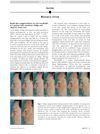
research Rapid skin repigmentation on oral ruxolitinib in a patient with coexistent vitiligo and alopecia areata (AA)
This case study reported significant but temporary hair regrowth and skin repigmentation in a patient with vitiligo and alopecia areata during treatment with oral ruxolitinib.

research Advances in the treatment of autosomal recessive congenital ichthyosis, a look towards the repositioning of drugs
This review highlights the ongoing need for novel treatments for autosomal recessive congenital ichthyoses, suggesting that drug repositioning, utilizing existing medications or biologics, could provide more affordable and effective options for managing this lifelong skin condition.
research 487 Exploring ribosomal RNA modifications and corresponding snoRNAs in human skin cell senescence
In this study, researchers investigated changes in ribosomal RNA modifications associated with stress-induced cellular senescence in human skin cells, identifying potential biomarkers and targets for interventions to mitigate skin aging.
research A Case of Topical Ruxolitinib Treatment Failure in Alopecia Areata
This study reports that topical ruxolitinib failed to induce hair growth in a 66-year-old patient with alopecia areata, highlighting the need to explore factors affecting treatment response and compare topical vs oral administration outcomes.
research ARTS, an unusual septin, regulates tumorigenesis by promoting apoptosis
This review examines the molecular mechanisms by which the proapoptotic protein ARTS inhibits tumorigenesis and discusses prospects for developing drugs that mimic its function, with no new experimental results reported.

research Ruxolitinib found to cause eyelash growth: a case report
This study reports the first case of eyelash elongation and thickening in a patient with hypereosinophilic syndrome taking the Janus kinase inhibitor ruxolitinib.
research A Plain Language Summary on Ritlecitinib Treatment for Adults and Adolescents with Alopecia Areata
Ritlecitinib works well and is safe for treating alopecia areata.

research 448 Physiological function of krox20 (Egr2) in epithelial stem cells
In this study, the researchers reported that Krox20 plays a crucial role in epidermal homeostasis and hair development, influencing stem cell maintenance and cell survival through the modulation of cellular pathways.

research Structural Abnormalities in the Hair of a Patient with a Novel Ribosomopathy
This study characterized hair from a patient with a ribosomopathy and identified distinct differences, including reduced hair thickness and lipid content, compared to family members.
research The Role of Interferon-γ in Autoimmune Polyendocrine Syndrome Type 1
This study investigated the impact of the JAK inhibitor ruxolitinib on APS-1 patients, reporting that treatment decreased excessive T-cell-derived interferon-γ, normalized inflammatory markers, and led to remission of several autoimmune symptoms without serious adverse effects.

research 138 Characterization of xenobiotic metabolizing enzymes of a reconstructed human epidermal model from adult hair follicles
In this study, the reconstructed skin epidermal model derived from hair follicles showed gene expression and enzyme functionality consistent with native human skin, suggesting its viability for studying skin metabolism and potential toxicity of dermo-cosmetic ingredients.
research X linked mental retardation.
This article discusses the classification of mental retardation based on IQ ranges and provides no new experimental findings.
research Topical Ruxolitinib for the Treatment of Alopecia Universalis
This article discusses the potential of topical ruxolitinib as a treatment for alopecia universalis and acknowledges the need for alternatives to systemic JAK inhibitors due to the risk of serious side effects.
research Oral and Topical Janus Kinase Inhibitors in Patients With Cutaneous T‐Cell Lymphoma: A Real‐World Single‐Center Experience
This study provides initial insights into the use of JAK inhibitors for CTCL, reporting some cases of symptom improvement, but highlights the need for further research on their association with CTCL development and safety.