89 citations
,
March 1996 in “Proceedings of the National Academy of Sciences” This study found that homozygous mutant mice with a hypomorphic CD18 mutation developed a chronic inflammatory skin disease resembling human psoriasis, potentially implicating additional genetic factors in disease susceptibility.
2 citations
,
January 1999 in “Dermatology”  November 2022 in “The journal of investigative dermatology/Journal of investigative dermatology”
 This study found that cPPARγ and dnPPARγ isoforms are differentially expressed in healthy human skin, suggesting that PPARγ modulators may have compartment-specific effects depending on isoform presence.
 2 citations
,
June 2021 in “PubMed”
2 citations
,
June 2021 in “PubMed” In this study, researchers re-evaluated biopsies from elderly patients with erosive pustular dermatosis of the scalp and identified plasma cell and lymphocyte infiltrates as key histological indicators for diagnosis, observing that high-potency topical steroids effectively healed the lesions.
9 citations
,
March 2023 in “Chemosphere” This study found that exposure to certain pesticides may be associated with delayed sexual maturation in adolescent males.
18 citations
,
January 2021 in “Theranostics” This study found that actively targeted AN2728-loaded nanocarriers reduced inflammation and improved skin condition in a mouse model of psoriasiform inflammation compared to free drug and non-targeted nanoparticles.
 10 citations
,
September 1997 in “Molecular carcinogenesis”
10 citations
,
September 1997 in “Molecular carcinogenesis” This study found that mirex and TPA promote papilloma formation in CD-1 mouse skin through distinct populations of mutant Ha-ras cells, resulting in additive tumor yields.

In this study, researchers found that female rats exhibited more pronounced panic-related escape behavior during hypoxia, particularly in the diestrus phase, and that low-dose fluoxetine reduced this behavior, suggesting its potential for managing panic disorder symptoms related to hormonal cycles in women.
 January 1999 in “American Journal of Medical Genetics Part A”
 This case report describes a rare occurrence of ectodermal dysplasia features in a 14-year-old with MBTPS1 gene variants, expanding the known spectrum of related disorders.
 15 citations
,
January 2020 in “RSC advances”
15 citations
,
January 2020 in “RSC advances” In this study, researchers developed a new Supported Ionic Liquid Phase palladium catalyst that showed effectiveness in aminocarbonylation reactions for synthesizing pharmaceutical compounds like CX-546 and a precursor of Finasteride, though results were sensitive to substrate variations and prompted palladium leaching concerns.
 17 citations
,
January 2010 in “Acta Dermato Venereologica”
17 citations
,
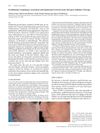
January 2010 in “Acta Dermato Venereologica” This report details a case of a 43-year-old woman developing yellowish papular eruptions alongside typical acneiform skin reactions on her cheeks and chest following a switch from cetuximab to panitumumab treatment.
 25 citations
,
January 2005 in “Pediatric Dermatology”
25 citations
,
January 2005 in “Pediatric Dermatology” This article discusses the use of methotrexate for treating generalized pustular psoriasis in a 2-year-old child, providing a specific case study but reporting no new clinical results.
November 2025 in “JDDG Journal der Deutschen Dermatologischen Gesellschaft” This study documented a case of an 11-month-old with PKU who developed acrodermatitis enteropathica-like symptoms due to severe phenylalanine deficiency, requiring dietary adjustment to restore phenylalanine levels.
 April 2026 in “bioRxiv (Cold Spring Harbor Laboratory)”
 This study introduced hydrogel microneedles loaded with palladium nanoparticles, which utilize the inherent cytotoxicity of polyethyleneimine to enhance the effectiveness of doxorubicin in treating melanoma, achieving a tumor inhibition rate of up to 98% in a murine model.
 7 citations
,
January 1989 in “Leprosy Review”
7 citations
,
January 1989 in “Leprosy Review” This report describes a woman with borderline lepromatous leprosy who developed a serious skin reaction to dapsone; she recovered quickly after stopping dapsone and receiving corticosteroids.
2 citations
,
September 2023 in “Journal of the American Academy of Dermatology” In a post-hoc analysis of six trials, this study observed that both adult and pediatric patients with moderate-to-severe palmoplantar psoriasis treated with ixekizumab experienced rapid and complete clearance of lesions, sustained for up to 5 years in adults and 2 years in children.
 August 2023 in “The journal of investigative dermatology/Journal of investigative dermatology”
 This study reports that a patient with rare linear lichen planopilaris experienced complete hair regrowth after 12 weeks of treatment with the antibody ixekizumab, suggesting it as a potential targeted therapy.
8 citations
,
January 2019 in “JAAD Case Reports” This article describes erosive pustular dermatosis of the scalp, emphasizing its chronic nature, potential complications, and the lack of specific diagnostic findings, but reports no new clinical results.
 July 2024 in “New Phytologist”
 This study suggests that the transcription factor PDF2 in Arabidopsis may link lipid sensing with growth responses to phosphate starvation by acting as a sensor for lyso-PCs through its START domain.
8 citations
,
July 2022 in “International Journal of Molecular Sciences” This study found that in estrogen receptor-positive breast cancer cells, 17β-estradiol repressed polyamine oxidase transcription by interacting with AP-1 sites on its promoter.
 November 2022 in “Journal of Investigative Dermatology”
 This study identified 15 Iranian patients with PLEC variants linked to various plectinopathies and highlighted a novel association between a homozygous nonsense variant in PLEC and a rare combination of disorders including EB pruriginosa, muscular dystrophy, and congenital myasthenic syndrome.
10 citations
,
January 2020 in “Biomedicine & Pharmacotherapy” This study found that XiaoZhenFang (XZF) reduced skin toxicities caused by Erlotinib in a mouse model, likely through mechanisms involving inflammation and EGFR-related pathways.
 May 2011 in “Value in Health”
 This study found that the oral Janus kinase inhibitor CP-690,550 has a direct effect on reducing pruritus in patients with psoriasis, independent of clinician-assessed improvements in psoriasis severity.
 February 2026 in “Trials”
 The Exfoliate-Dissolve-Repair skincare approach may effectively treat keratosis pilaris and reduce the need for corticosteroids.
 March 2026 in “Preprints.org”
 In this study, plerixafor was found to enhance melanogenesis and promote repigmentation by engaging a β-arrestin–β-catenin–MITF signaling axis in melanocytes, and showed effectiveness in restoring depigmentation in a murine model without causing systemic toxicity.
January 2005 in “Industrial Catalysis” This study found that regenerating the Pd/C finasteride synthesis catalyst using methanol extraction and nitric acid oxidation achieved a pregnendone conversion of 97.5%.
 April 2026 in “Zenodo (CERN European Organization for Nuclear Research)”
 This presentation argues that post-exposure syndromes like PSSD and Long COVID form a coherent group of conditions driven by complex interactions in high-dimensional state spaces rather than singular molecular pathways.
 10 citations
,
May 1978 in “Acta Dermato Venereologica”
10 citations
,
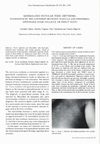
May 1978 in “Acta Dermato Venereologica” In this study, seven patients with generalized toxic erythema developed sterile pustules localized to hair follicles or sweat ducts, with most having a history of medication, solvent exposure, or infection.
 21 citations
,
December 2016 in “European journal of pharmaceutics and biopharmaceutics”
21 citations
,
December 2016 in “European journal of pharmaceutics and biopharmaceutics” This study found that nano-sized lipid particles improved the skin accumulation and retention of dexamethasone compared to a base cream, suggesting potential benefits for inflammatory skin disease treatment.
2 citations
,
January 2012 in “Journal of Clinical & Experimental Dermatology Research” This study found that adding fexofenadine to DPCP treatment in non-atopic Alopecia areata patients did not significantly improve hair regrowth, but it did significantly reduce treatment-related discomfort.