26 citations
,
June 2010 in “Electrophoresis” This study reported advances in identifying low-abundance proteins in wool by using fractionation techniques to reduce the dominance of intermediate filament proteins, improving the understanding of the wool proteome.
138 citations
,
December 1976 in “Journal of Biological Chemistry” This study purified a transglutaminase enzyme from human epidermis that requires calcium or strontium for activity and forms cross-linked polymers, but its detailed activation mechanism remains unclear.
 45 citations
,
November 2017 in “Biomaterials”
45 citations
,
November 2017 in “Biomaterials” This study demonstrated a method for large-scale preparation of self-sorted hair follicle germs in vitro, which successfully generated hair follicles when transplanted into the skin of nude mice.
 8 citations
,
January 2009 in “Transactions of the Materials Research Society of Japan”
8 citations
,
January 2009 in “Transactions of the Materials Research Society of Japan” This study found that CMAD wool keratin may protect human hair from damage during repeated bleaching and permanent waving treatments.
 February 2024 in “New phytologist”
 This study reported that during wheat polyploidization, decreased DNA methylation and specific hypomethylated promoters were associated with altered gene transcription, contributing to root hair elongation and improved nitrate uptake, highlighting the role of epigenetic regulation in enhancing crop traits.
 9 citations
,
March 2015 in “Journal of Microbiology and Biotechnology”
9 citations
,
March 2015 in “Journal of Microbiology and Biotechnology” This study found that ultra-high molecular weight poly-γ-glutamic acid promoted hair growth in telogenic C57BL/6 mice by inhibiting 5-alpha reductase activity and inducing the anagen phase.
 42 citations
,
January 2017 in “Stem cells international”
42 citations
,
January 2017 in “Stem cells international” This study found that while extracellular matrix components like hyaluronic acid promoted larger organoid formation, other matrix components hindered hair follicle germ assembly in an in vitro model.
 11 citations
,
October 2011 in “Allergologia et immunopathologia”
11 citations
,
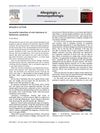
October 2011 in “Allergologia et immunopathologia” A girl with Netherton syndrome was able to eat wheat without allergies after a special treatment.
 September 2025 in “Clinical Toxicology”
 In this investigation, acute alopecia was linked to selenium-contaminated wheat in rural Maharashtra, India, following reports of sudden hair loss in 18 villages, with evaluations conducted in Machindrakhed and Bhondgaon.
 March 2024 in “Journal of animal science/Journal of animal science ... and ASAS reference compendium”
 In this study, supplementing ewes with soy hulls instead of a traditional corn-based supplement showed no impact on gastrointestinal nematode infection levels in hair sheep ewes managed in a pasture-based system, though some differences in packed cell volume at weaning were noted.
1 citations
,
January 2021 in “Springer Proceedings in Materials” This study demonstrates a sample preparation method for wool follicles that allows for clear keratin labeling and ultrastructural preservation in microscopy, reducing common artefacts from conventional fixation techniques.
 14 citations
,
May 2020 in “Biomolecules & Therapeutics”
14 citations
,
May 2020 in “Biomolecules & Therapeutics” This study found that vanillic acid from wheat bran promoted dermal papilla cell proliferation, potentially stimulating hair growth by activating the PI3K/Akt and Wnt/β-catenin pathways.
 July 2023 in “Journal of bioscience and bioengineering”
 This study found that slow vitrification using DMSO for cryopreserving hair follicle germs in mouse skin showed effective hair regeneration, making it a promising method for hair regenerative medicine.
January 2009 in “Adelaide Research & Scholarship (AR&S) (University of Adelaide)” This study on the sheepgenomics program reported significant progress in identifying genes that can be manipulated to enhance wool production and quality in sheep.
November 2025 in “Agriculture” This study applied a machine learning-based genomic analysis to identify genetic markers associated with wool traits in Central Anatolian Merino sheep, successfully highlighting loci relevant to fiber diameter, staple length, and greasy fleece yield, which could inform breeding programs to enhance wool quality and yield.
35 citations
,
July 2010 in “The FEBS journal” In this study, researchers identified a highly reactive, isozyme-specific sequence for TGase 3, contributing to understanding its distinct functional role and activity distribution in the mouse epidermis.
21 citations
,
June 2004 in “Experimental Dermatology” This study found that Ber-EP4 immunoreactivity is present in specific areas of hair follicles across different stages of the hair cycle, particularly in the secondary hair germ, but not in mature anagen follicles.
 4 citations
,
August 2014 in “Journal of molecular structure”
4 citations
,
August 2014 in “Journal of molecular structure” In this study, the authors concluded that a hydrolyzed eggwhite protein treatment promoted the reconnection of disulfide bonds in excessively bleached hair, after reduction and oxidation processes in permanent waving.
This study concluded that a combination of millet seed extract, L-cystine, and calcium pantothenate may improve anagen hair rate in women with androgenetic alopecia over six months.
 August 2022 in “Italian Journal of Animal Science/Italian journal of animal science”
 This study found that supplementing Angora goats with whole field bean seeds postpartum did not prevent weight and body condition losses but was associated with improved mohair growth and kid weight gain, likely due to better nutrient partitioning towards lactation and hair growth.
47 citations
,
June 2017 in “The FEBS journal” This study found that CRISPR/Cas9-induced loss-of-function mutations in the FGF5 gene significantly increased wool length and yield in genetically modified Chinese Merino sheep compared to wild-type controls.
September 2017 in “The journal of investigative dermatology/Journal of investigative dermatology” The researchers reported that TGM2 appears to play a crucial role in sebocyte differentiation and may act as a negative regulator of lipid metabolism in sebaceous glands.
 September 2022 in “bioRxiv (Cold Spring Harbor Laboratory)”
 This study indicates that a helminth-derived protein, TGF-β mimic, may accelerate wound healing and promote regenerative processes in skin tissue by interacting with TGF-β receptors.
July 2021 in “Zenodo (CERN European Organization for Nuclear Research)” This review discusses mealworm farming as a sustainable, low-cost, and environmentally friendly method for producing high-quality poultry and fish feed, but it does not report new results.
 September 2025 in “Animal Bioscience”
 This study found that triglyceride and energy metabolic pathways are crucial factors influencing wool fiber diameter in fine-wool Alpine Merino sheep, providing insights for enhancing wool quality.
January 2022 in “Institutional Repositories DataBase (IRDB)” This study found that pen-type microwells enhanced hair follicle germ formation by promoting cell assembly, suggesting microwell array geometry significantly influences in vitro hair follicle development.
October 2014 in “University of the Arts London Research Online (University of the Arts London)” This study compared hydrolysed wheat protein, L-arginine, and hydrolysed collagen for their effectiveness in enhancing the tensile strength of heavily bleached hair.
 August 2024 in “Life Science Alliance”
 This study found that topical application of TGF-β mimic promoted enhanced wound healing and tissue regeneration in mice, suggesting its potential as a therapeutic option for improving wound healing.
This study found that creambath preparations with waru leaf extract accelerated hair growth in New Zealand White rabbits, though none matched the positive control; the 37.5% concentration increased hair weight effectively.
 2 citations
,
July 2023 in “Agronomy”
2 citations
,
July 2023 in “Agronomy” This study found that treating wheat with 100 µM melatonin under drought conditions significantly improved root and shoot growth, increased melatonin levels, and enhanced drought resistance, potentially clarifying the mechanisms of melatonin's protective effects in plants facing water scarcity.