 July 2023 in “International Ayurvedic medical journal”
 In this single case study, Ayurvedic treatments using Madhuka taila nasya and Japaakusumadi lepa were reported to benefit a patient with premature hair graying, suggesting a potential safe and effective alternative to conventional methods.
 June 2022 in “Asian Pacific journal of health sciences”
 This study reports a case of Indralupta (Alopecia Areata) successfully treated using Ayurvedic methods including Prachhan karma, Lepa, and Shirodhara, offering an alternative to conventional treatments like minoxidil and steroids, which may have adverse effects.
 December 2021 in “International Journal of Science and Research (IJSR)”
 This study explored Ayurvedic treatments for Khalitya (Alopecia areata) and found that using Virechana Karma, along with systemic medicines and Rasayan drugs, may be extremely beneficial in managing this condition.
 4 citations
,
June 2019 in “Journal of Ayurvedic and Herbal Medicine”
4 citations
,
June 2019 in “Journal of Ayurvedic and Herbal Medicine” In this case study, a 14-year-old boy with a patch of hair loss was treated with Ayurvedic herbal and mineral therapies for 8 weeks, resulting in full hair regrowth on the affected area.
 December 2025 in “International Journal of Research in Ayurveda and Pharmacy”
 This case report details a 19-year-old female with autoimmune hair loss successfully managed using an integrated Ayurvedic approach, achieving complete hair regrowth and symptom resolution within two months, suggesting potential efficacy for autoimmune conditions warranting further study.
 September 2025 in “International Journal of Advanced Academic Studies”
 This review examines Ayurvedic and modern literature on combining Anu Taila Nasya and Gokshura lepa for hair loss and presents no new clinical results.
 June 2021 in “International Ayurvedic Medical Journal”
 In this source, a case of a female patient with indralupta (alopecia areata) was successfully treated using Ayurvedic methods, specifically jaluaka, haridra, and nimbalepa, suggesting an effective alternative to corticosteroids, which have harmful side effects and are unsuitable for long-term use.
 February 2021 in “PDEAS International Journal of Research in Ayurved and Allied Sciences”
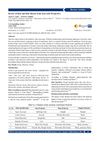
 This article reviews Ayurvedic concepts and treatments related to hair and reports no new clinical results.
 June 2026 in “Kerala Journal of Ayurveda”
 This case report suggests that an Ayurvedic treatment protocol may effectively manage paediatric indralupta, a condition similar to alopecia areata, with complete hair restoration observed in an 11-year-old patient without adverse effects.
 January 2025 in “International journal of Indian medicine”
 This review discusses nine Ayurvedic medicinal herbs listed in the Dhanvantari Nighantu as beneficial for hair, detailing their properties like promoting hair growth, enhancing hair thickness, and maintaining dark hair color, alongside supporting research on these effects.
 January 2024 in “International Ayurvedic medical journal”
 This study presents a case report of a 25-year-old woman with PCOS who experienced irregular menstruation, weight gain, and depression, highlighting improvements in her symptoms and menstrual regularity after three and a half months of treatment with Ayurvedic medicine and yoga.

In this case study, a 26-year-old female with hair fall, dandruff, scalp itching, and dry hair reported improvements after using Dhatturadi Tail and taking Yashtimadhu churna with milk, evaluated through a custom scoring system, according to researchers at the National Institute of Ayurveda, Jaipur.
 March 2022 in “International journal of biology, pharmacy and allied sciences”
 This case study describes the successful management of alopecia areata in an 18-year-old female patient using Shaman Aushadhi.
 September 2021 in “International Ayurvedic Medical Journal”
 This study reported that in 31 patients with diffuse hair loss, daily application of Bhringraj oil significantly reduced hair fall, dandruff, itching, and dryness over four weeks, without any adverse reactions.
 August 2020 in “International journal of research in ayurveda and pharmacy”
 This article discusses the use of Maltadya tail for treating forms of alopecia in Ayurvedic medicine but presents no clinical results, emphasizing the oil's potential scalp and hair health benefits.
 August 2017 in “International journal of Ayurvedic and herbal medicine”
 This review discusses the Ayurvedic perspectives on Bhallataka, noting its detoxified forms may have various therapeutic properties, but reports no new clinical findings.
 25 citations
,
March 2018 in “Clinics in Dermatology”
25 citations
,
March 2018 in “Clinics in Dermatology” This review discusses traditional therapies used in the Indian subcontinent, covering practices like Ayurveda and homeopathy, and reports no new clinical results; the authors emphasize the need for rigorous studies.
 January 2026 in “International Journal of Research and Innovation in Applied Science”
 This article discusses the similarities between alopecia areata and Indralupta in Ayurveda and reports no new clinical results, highlighting traditional and modern management approaches for the condition.
 March 2024 in “Journal of Natural Remedies”
 In this study, an 18-year-old boy with alopecia areata successfully experienced normal and healthy hair regrowth after 4 months using microneedling with cupping, alongside internal herbal medication and topical oil application, as a cost-effective and less invasive alternative to high-cost hair treatments and transplantation.
 February 2024 in “Journal of ayurveda and integrated medical sciences”
 In this case study, a 22-year-old female with iron deficiency anaemia showed significant symptom improvement and haemoglobin increase after a month of Ayurvedic treatments and iron-rich dietary supplements.
 January 2024 in “Sanjeevani Darshan National Journal of Ayurveda & Yoga”
 This study aims to evaluate the efficacy of a treatment approach called Sthanika Chikitsa, involving Shiro Lepa and specific herbal and nasal preparations, for managing Indralupta, a condition akin to Alopecia Areata characterized by hair loss. Results are not provided in the abstract.
 July 2023 in “Journal of ayurveda and integrated medical sciences”
 This case report details the treatment of a 28-year-old woman with PCOS symptoms, including irregular menstruation, weight gain, and hair loss, using Ayurvedic management after ultrasound showed a bilateral PCO pattern.
 July 2023 in “AYUSHDHARA”
 This article examines the Ayurvedic perspective on the aging process, detailing how physical, emotional, and metabolic changes occur naturally over time, affecting various body systems, and highlights the role of Vayu dosha during the final stage of life, Vriddhavastha.
 April 2023 in “International journal of research in Ayurveda and pharmacy”
 This study reported significant symptom improvement in a 30-year-old female with hypothyroidism after Ayurvedic treatment with Kanchnar twak kwath, Shunthi churna, and Nimb tail nasya, noting a reduction in TSH levels from 18.65 to 6.92 post-treatment.
 July 2022 in “Journal of bio innovation”
 This article discusses the role of Panchakarma, a set of five Ayurvedic therapies, in detoxifying the body, as described in traditional Ayurvedic texts.
 October 2020 in “Ayurline: international journal of research in indian medicine”
 This review investigates the causes of greying hair in children, but reports no new clinical findings.
 April 2026 in “International Journal of Ayurveda and Pharma Research”
 In this case report, a 42-year-old woman with hypothyroidism showed improvement in symptoms like fatigue and hair loss after following an Ayurvedic regimen including Kunjal Kriya, Yoga, and diet changes alongside her regular medication, though further clinical studies are recommended to validate these findings.
 3 citations
,
October 2021 in “International Journal of Research in Ayurveda and Pharmacy”
3 citations
,
October 2021 in “International Journal of Research in Ayurveda and Pharmacy” This study reviewed the pharmacological properties of Priyaladi lepa, an Ayurvedic formulation, and reported its potential anti-dandruff benefits due to anti-inflammatory, anti-fungal, anti-microbial, anti-pruritic, antioxidant, and exfoliation effects, warranting further research for managing Darunaka (dandruff).
 1 citations
,
May 2023 in “AYUSHDHARA”
1 citations
,
May 2023 in “AYUSHDHARA” This study explores the Ayurvedic concept of Akala Palitya, or premature greying, noting that its incidence is rising due to modern lifestyle changes and environmental factors, particularly in tropical and developing countries.
 October 2025 in “International Research Journal of Ayurveda & Yoga”
 This review discusses the use of Kusthadi Lepam for treating Ek-Kustha, which resembles psoriasis, but reports no new clinical results; the authors suggest further research on its efficacy and safety.