April 2026 in “Future Medicinal Chemistry” This article discusses the impact of PROTACs technology in transforming drug discovery with its novel degradation mechanism, but it reports no new experimental findings.
4 citations
,
March 2020 in “JAAD Case Reports” This case report describes a 47-year-old male with rare total melanonychia linked to vitamin B12 deficiency, whose nail discoloration and constitutional symptoms improved following vitamin B12 supplementation.
 August 2019 in “International journal of contemporary pediatrics”
 This case study reports that a 3 ½ year-old male with vitamin D-dependent type II rickets showed partial improvement in alopecia and rickets when treated with high doses of 1,25(OH)2 vitamin D3.
June 2026 in “Precision medicine and engineering.” In this study, researchers created a hydrogel that reduces oxidative stress and releases a pro-angiogenic drug in response to enzyme activity, which accelerated healing and improved tissue regeneration in chronic diabetic wounds during in vivo experiments.
2 citations
,
April 2022 in “Nusantara Bioscience” This study proposes a quick and sensitive method for detecting vancomycin using modified silver nanoparticles and shows promising results against Gram-positive and Gram-negative bacteria.
36 citations
,
January 2010 in “Journal of Pediatric Endocrinology and Metabolism” This study identified a novel nonsense mutation in the VDR gene in two patients with hereditary vitamin D resistant rickets and alopecia, leading to resistance to 1,25-dihydroxyvitamin D3.
This study found that VDAC2 promotes apoptosis in secondary hair follicle stem cells of Albas cashmere goats by activating the P53 signaling pathway, with knockdown of VDAC2 reducing apoptosis and a P53 inhibitor partially rescuing VDAC2-induced apoptosis.
 January 2024 in “Fitoterapia”
 In this study, the analysis of Ukraine's pharmaceutical market from 2020 to 2023 found a large variety of Vitamin D3 preparations, predominantly domestic and synthetic, with capsule forms being common; consumer surveys highlighted that doctor recommendations strongly influenced purchasing decisions.
9 citations
,
January 2022 in “Biology” This study concluded that male mice are more susceptible to valproic acid-induced autism spectrum disorder than female mice, with noticeable differences in brain histoarchitecture and receptor protein levels.
2 citations
,
September 2014 in “International Journal of Dermatology” Sodium valproate can worsen psoriasis-like skin conditions.
 1533 citations
,
October 2008 in “Endocrine reviews”
1533 citations
,
October 2008 in “Endocrine reviews” This research highlights that engineered mice lacking the vitamin D receptor show multiple health issues similar to human vitamin D deficiency, underscoring the widespread impacts of the vitamin D endocrine system.
 1 citations
,
September 2023 in “Life science alliance”
1 citations
,
September 2023 in “Life science alliance” In this study, researchers observed that Vdr-knockout mice experience hair cycle arrest during the catagen stage, leading to alopecia, with persistent epithelial strands forming in the hair follicles, indicating Vitamin D receptor's role in regulating hair follicle regression and regeneration.
 March 2025 in “International Journal of Molecular Sciences”
 Veratric Acid may help promote hair growth and reduce hair loss.
 December 2025 in “Scientific Reports”
 This study found that preconditioning human hair follicle-derived stem cells with valproic acid enhanced their survival and migration in ischemic-like conditions by activating autophagy and inhibiting the AKT/mTOR pathway, suggesting this approach could improve stem cell therapies for ischemic stroke.
 26 citations
,
November 2016 in “European Journal of Clinical Pharmacology”
26 citations
,
November 2016 in “European Journal of Clinical Pharmacology” This study found that using valproic acid during radiotherapy for glioma was associated with delayed hair loss and improved survival outcomes.
 1 citations
,
September 2007 in “European journal of paediatric neurology”
1 citations
,
September 2007 in “European journal of paediatric neurology” Low dose valproic acid treatment caused hair loss in a young patient.
8 citations
,
October 2019 in “The Journal of surgical research/Journal of surgical research” This study demonstrated that sodium valproate accelerates skin healing and reduces necrosis in a rat model of skin flap potentially through mechanisms involving GABA and histone deacetylase pathways.
January 2011 in “Guangdong Medical Journal” This study observed that Vitamin D receptor expression at protein and mRNA levels was significantly lower in the hair follicles of alopecia areata patients compared to healthy individuals.
January 2008 in “Summit (Simon Fraser University)” This article describes viDA Therapeutics Inc.'s focus on developing new drugs for age-related conditions using their proprietary granzyme-based approach but reports no clinical outcomes, primarily discussing their funding and business strategy.
 6 citations
,
April 2013 in “International Journal of Dermatology”
6 citations
,
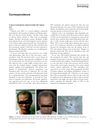
April 2013 in “International Journal of Dermatology” This correspondence article discusses a case of androgenetic alopecia treated with valproic acid but does not present new clinical findings.
 April 2026 in “The Open Biotechnology Journal”
 This review reports that resveratrol could benefit the management of chronic illnesses such as diabetes and cardiovascular disease, but challenges with bioavailability and regulatory issues persist.
 22 citations
,
April 2006 in “Journal of Dermatological Science”
22 citations
,
April 2006 in “Journal of Dermatological Science” This study reports that versican expression plays a crucial role in maintaining the anagen phase and hair inductive properties, as shown in a transgenic mouse model and hair growth assays.
 4 citations
,
February 2021 in “Plant journal”
4 citations
,
February 2021 in “Plant journal” This study found that the protein OsUEV1B is essential for maintaining phosphate balance in rice, with Pi deficiency leading to its inhibition and causing overaccumulation of phosphate in mutants.
 20 citations
,
December 2011 in “Journal of inherited metabolic disease”
20 citations
,
December 2011 in “Journal of inherited metabolic disease” This study found that valproic acid may interfere with the leucine metabolic pathway by inhibiting 3-methylcrotonyl-CoA carboxylase and biotinidase, which could contribute to side effects like skin rash and hair loss in patients.
 9 citations
,
March 2016 in “Natural Product Research”
9 citations
,
March 2016 in “Natural Product Research” This study found that baicalin promotes human microvascular endothelial cell proliferation, while visnadin and minoxidil enhance tubulogenesis, with hesperidin uniquely increasing VEGFR-2 phosphorylation compared to other compounds tested.
August 2026 in “Non-coding RNA Research” The study reports that vitamin E improves hair-follicle growth and dermal papilla cell proliferation in vitro by modulating the lncRNA2919/STAT1/SHH axis in Angora rabbits, enhancing cellular antioxidant capacity.
April 2017 in “The journal of investigative dermatology/Journal of investigative dermatology” This study found that topical Vorinostat induced significant hair regrowth in mice with alopecia areata, suggesting it as a potential repurposable treatment for the condition.
 17 citations
,
April 2007 in “Kidney international”
17 citations
,
April 2007 in “Kidney international” This study found that 1,25 dihydroxyvitamin D3 significantly increased the expression and activity of vasculoprotective natriuretic peptide receptor-A in cultured inner medullary collecting duct cells, suggesting a potential mechanistic role in cardiovascular and renal benefits.
11 citations
,
January 2018 in “DOAJ (DOAJ: Directory of Open Access Journals)” This case report observed that while a 4-year-old boy with vitamin D-dependent rickets type II showed biochemical and bone improvement after vitamin D and calcium treatment, his alopecia did not improve.
20 citations
,
June 2020 in “Journal of Advanced Research” This study found that high-dose vitamin A and E supplementation with zinc may improve glycemic control and beta-cell function in patients with type 2 diabetes, compared to no supplements.