 January 2022 in “Cellular and Molecular Biology”
 This study found that adding Triamcinolone to the local anesthetic solution and administering PRP sessions significantly improved hair transplantation outcomes, with gene expression indicating SRD5A2's role in transplant success.
14 citations
,
July 1994 in “Journal of Investigative Dermatology”  129 citations
,
January 2009 in “International Journal of Trichology”
129 citations
,
January 2009 in “International Journal of Trichology” This study found that trichoscopy criteria can distinguish female androgenic alopecia from chronic telogen effluvium, with specific features achieving 98% diagnostic specificity.
May 2005 in “Hair transplant forum international” This case report documents a 28-year-old woman who experienced complete scalp hair loss, which began a year earlier with patchy baldness and progressed to loss of eyebrow, axillary, and pubic hair.
10 citations
,
January 1925 in “Archives of Dermatology” This article discusses a historical case of a rare skin disorder involving alopecia and follicular plugs reported in 1907; it presents no new findings.
 60 citations
,
April 2018 in “Clinical, cosmetic and investigational dermatology”
60 citations
,
April 2018 in “Clinical, cosmetic and investigational dermatology” This review discusses the causes and diagnosis of traction alopecia, emphasizing education for high-risk populations as there is currently no cure, and presents no new clinical findings.
April 2026 in “Journal of Ethnopharmacology” January 2013 in “International Journal of Trichology” This case report describes a young girl with trichothiodystrophy and suggests the need for early diagnosis and multidisciplinary interventions for her educational challenges.
 2 citations
,
July 2005 in “Baylor University Medical Center Proceedings”
2 citations
,
July 2005 in “Baylor University Medical Center Proceedings” This case report diagnosed a 4-year-old girl with trichotillomania after observation of her twirling and pulling her hair at the affected site.
November 2022 in “Journal of Investigative Dermatology” This study found that autologous γdTregs displayed significant protective effects on alopecia areata-affected human scalp hair follicles in both ex vivo and in vivo settings, suggesting potential for future cell-based therapy.
11 citations
,
March 2021 in “The journal of investigative dermatology/Journal of investigative dermatology” This study found that hair loss in an Olmsted syndrome mouse model with a Trpv3 mutation was linked to premature keratinocyte maturation, affecting hair follicle structure and function.
 2 citations
,
January 2023 in “Journal of Education, Health and Sport”
2 citations
,
January 2023 in “Journal of Education, Health and Sport” In this study, researchers reviewed current treatments for trichotillomania and found that psychotherapy, particularly cognitive-behavioral therapy like habit reversal training, is most effective, with some medications helping to alleviate symptoms, though further study is needed on their use.
1 citations
,
October 1978 in “The Journal of Pediatrics”  5 citations
,
March 2017 in “Laser Physics Letters”
5 citations
,
March 2017 in “Laser Physics Letters” This review discusses the role of scalp imaging techniques in trichology for researching drug delivery and toxicology, without presenting new clinical results.
In this study, various cellular responses and signaling pathways were examined in hair follicles after exposure to ionizing radiation, including the effects of Wnt3a treatment, with findings noted in apoptosis, DNA damage, and differentiation processes.
 April 2018 in “Journal of Investigative Dermatology”
 This study identified the osteopontin-derived peptide, FOL-005, as a potential inhibitor of unwanted human hair growth by promoting catagen development without reducing stem cell numbers or showing toxicity.
March 2026 in “Skin Appendage Disorders” In this case report, a 38-year-old woman with monilethrix, a hair shaft disorder, was found to have both hair fragility and androgenetic alopecia, highlighting the diagnostic and management challenges posed by coexisting hair conditions.
 January 2025 in “Dermatologic Therapy”
 In this review, researchers explored key mechanisms underlying androgenetic alopecia, revealing how hormonal, oxidative, inflammatory, and lipid dysregulation suppress hair growth pathways and suggesting new therapeutic targets such as DP2 antagonists and microbiome modulators.
135 citations
,
October 1997 in “Journal of biological chemistry/The Journal of biological chemistry” This study suggests that trichohyalin is modified by peptidyl-arginine deiminase before being cross-linked by TGase 3, allowing the formation of rigid structures in hair follicle cells.
January 2024 in “Revista del Centro Dermatológico Pascua” In this case report, a 24-year-old male with acquired distal trichorrhexis nodosa showed significant improvement after avoiding harmful hair treatments and using a repair shampoo alongside biotin and zinc supplements.
This review explores emerging therapies for hair regrowth, highlighting two strategies: hair follicle neogenesis and Wnt/B-catenin pathway modulation, which show promise for treating alopecia by potentially offering more effective options than existing treatments.
 December 2025 in “IP Indian Journal of Clinical and Experimental Dermatology”
 This review reports that the treatment of androgenetic alopecia is shifting from single therapies to personalized, multimodal approaches incorporating both traditional and emerging pharmacologics, regenerative strategies, nutraceuticals, cosmeceuticals, and device-based interventions, with combination regimens showing improved outcomes.
 8 citations
,
July 2014 in “Anais Brasileiros de Dermatologia”
8 citations
,
July 2014 in “Anais Brasileiros de Dermatologia” This article discusses a case of alopecia areata, androgenetic alopecia, and trichostasis spinulosa, highlighting how dermoscopy can help differentiate black dots from trichostasis spinulosa lesions, but it reports no new clinical results.
 10 citations
,
October 2018 in “Dermatologic Therapy”
10 citations
,
October 2018 in “Dermatologic Therapy” In this study, researchers tested lotions containing DGLA, S-equol, and propionyl-l-carnitine on individuals with androgenic alopecia, noting a significant increase in hair count for women and a marginal increase for men after 6 months, along with improved hair cycle dynamics.
 1 citations
,
March 2022 in “Berkala Ilmu Kesehatan Kulit dan Kelamin/Berkala ilmu kesehatan kulit dan kelamin (Periodical of dermatology and venerology)”
1 citations
,
March 2022 in “Berkala Ilmu Kesehatan Kulit dan Kelamin/Berkala ilmu kesehatan kulit dan kelamin (Periodical of dermatology and venerology)” This case analysis found that trichoscopy is a valuable tool for diagnosing and monitoring treatment progress in tinea capitis by distinguishing between Microsporum and Trichophyton etiologies.
 January 2017 in “Journal of cosmetology & trichology”
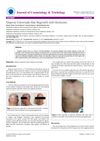
 This case study describes a man with long-standing alopecia universalis who experienced hair regrowth after taking testosterone, chorionic gonadotropin, and DHEA-S.
January 2020 in “Global dermatology” This study found that iontophoresis with growth factor cocktail including fibroblast growth factor 5-short significantly increased hair density in patients with androgenetic alopecia over 24 weeks.
5 citations
,
May 1958 in “Archives of Dermatology” In his letter, the author reports that regular corticosteroid and corticotropin therapy was associated with hair growth and the return of pigment in patients with alopecia totalis.
 May 2003 in “Journal of Investigative Dermatology”
 This article reviews the progress in hair biology research, including advancements in understanding androgen action, hair follicle stem cells, and autoimmune mechanisms in alopecia, and reports no new clinical results.
 9 citations
,
June 2011 in “International Journal of Cosmetic Science”
9 citations
,
June 2011 in “International Journal of Cosmetic Science” This study found that a commercially available shampoo significantly increased hair counts and reduced hair shedding in Korean subjects with alopecia over 16 weeks.