 January 2023 in “Skin appendage disorders”
 This study attempts to define normal post-transplant trichoscopic patterns in patients with androgenetic alopecia, highlighting several findings, but suggests longer follow-up studies are needed to confirm these observations.
This study reported that Asian patients have few racial differences in trichoscopy compared to Caucasian patients, except for certain features like greater mean hair diameter and masking effects by normal skin color.
July 2023 in “International journal of physiology” This article outlines hypertrichosis lanuginosa, emphasizing its rarity, potential congenital or acquired nature, association with malignancy, challenges in diagnosis, limited treatment options, and the need for more research to understand its mechanisms.
July 2002 in “Journal of applied cosmetology” This review discusses various syndromes and conditions associated with abnormal hair growth, including potential therapies, but reports no new clinical findings or results.
2 citations
,
July 2019 in “Indian dermatology online journal” This report documents a rare case of familial eyelash trichomegaly and synophrys in three siblings, with one sister also having loose anagen hair syndrome, an unreported association.
10 citations
,
January 1925 in “Archives of Dermatology” This article discusses a historical case of a rare skin disorder involving alopecia and follicular plugs reported in 1907; it presents no new findings.
January 2020 in “Hair therapy & transplantation” This article discusses the role of trichology in treating hair and scalp conditions by addressing underlying body systems and reports no new clinical findings.
29 citations
,
February 2019 in “Pediatric dermatology” This abstract suggests that specific trichoscopic features like black dots, coiled hair, and trichoptilosis may help differentiate trichotillomania from patchy alopecia areata.
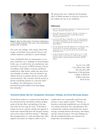
January 2002 in “Linchuang pifuke zazhi” This report describes an unusual case of proliferating trichilemmal cyst with trichoepitheliomatous change in a young woman, differing from its typical presentation in elderly women.
 9 citations
,
November 2013 in “Dermatologic Surgery”
9 citations
,
November 2013 in “Dermatologic Surgery” Hair transplant complications were likely due to deep graft placement and rough handling.
 16 citations
,
May 2003 in “International Journal of Dermatology”
16 citations
,
May 2003 in “International Journal of Dermatology” Trichotillomania, a disorder where people compulsively pull out their own hair, often starts around age 12, is more common in adult females, and can be treated with behavior therapy and medication.
19 citations
,
July 2004 in “Australasian Journal of Dermatology” In this case study, a 74-year-old woman improved her scalp hair condition by reducing chronic rubbing, leading to hair regrowth without ongoing abnormalities after behavior modification.
 January 2007 in “Revista del Centro Dermatológico Pascua”
 This case report describes a 2-year-old boy diagnosed with trichothiodystrophy, characterized by fragile hair, intellectual damage, diminished fertility, and short stature.
July 2025 in “Dermatology Practical & Conceptual” In this study, researchers found that hair alterations such as frontal-occipital inversion in males and a high occipital hairline may aid in diagnosing the uncommon condition TRPS.
 January 2016 in “Journal of Clinical Dermatology”
 This study found that trichoscopy is useful for diagnosing androgenetic alopecia and alopecia areata, and the severity of androgenetic alopecia can be assessed with this method.
January 2024 in “Revista del Centro Dermatológico Pascua” In this case report, a 24-year-old male with acquired distal trichorrhexis nodosa showed significant improvement after avoiding harmful hair treatments and using a repair shampoo alongside biotin and zinc supplements.
 205 citations
,
April 2005 in “Journal of Investigative Dermatology”
205 citations
,
April 2005 in “Journal of Investigative Dermatology” This study describes a system for generating hair follicles from dissociated cells in mice, suggesting that successful development requires a foundational epithelial platform.
 January 2026 in “Forum Dermatologicum”
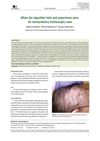
 This case study examined a 72-year-old woman with unique hair shaft constrictions consistent with monilethrix, despite features atypical for this condition, ultimately reaching a diagnosis that led to successful improvement using oral minoxidil and reduced hair trauma.
December 2021 in “Pathologica” This case report describes a rare instance of trichogerminoma with unusually numerous mitotic figures and a higher Ki67 proliferative rate, distinguishing it from previously documented cases.
July 2025 in “International Journal of Trichology” This study reported six pediatric cases of temporal triangular alopecia and highlighted the use of trichoscopy to distinguish it by detecting a distinctive carpet of vellus hair, helping to differentiate TTA from other hair loss conditions.
1 citations
,
January 2025 in “JAAD reviews.” This review from JAAD Reviews provides a comprehensive overview of hypertrichosis, discussing its diagnosis, treatment options like topical and laser therapies, and special psychosocial considerations for pediatric patients to better support clinicians and researchers in managing this condition.
December 2025 in “Y HOC TP HO CHI MINH” This study found that Trichoscope can effectively reveal clinical features of alopecia areata and androgenic alopecia, making it a useful tool for diagnosis and monitoring.
 16 citations
,
May 2015 in “Tissue Engineering Part C-methods”
16 citations
,
May 2015 in “Tissue Engineering Part C-methods” This study found that expanding hair follicle keratinocytes with a fibroblast feeder followed by short-term coculture with dermal papilla cells could restore their ability to form new hair follicles.
 4 citations
,
January 2012 in “Springer eBooks”
4 citations
,
January 2012 in “Springer eBooks” This study observed that male and female androgenetic alopecia share similar trichoscopic characteristics, such as hair shaft thickness heterogeneity and increased thin and vellus hairs.
32 citations
,
August 2016 in “Journal of the American Academy of Dermatology” This letter discusses congenital triangular alopecia (TTA), a non-scarring hair loss condition often seen in children, without reporting new clinical findings.
 January 2018 in “Springer eBooks”
 Congenital triangular alopecia is a harmless, non-spreading hair loss condition often seen in young children.
June 2011 in “European Journal of Pediatric Dermatology” This study diagnosed an 11-year-old girl with initial androgenetic alopecia and monilethrix after observing unique hair shaft abnormalities and skin conditions, unlike her affected parents.
 March 2021 in “CRC Press eBooks”
 This review discusses the various trichoscopic features of androgenetic alopecia and alopecia areata, noting white dots in advanced cases as indicators of poor prognosis, but reports no new clinical results.
4 citations
,
January 2018 in “Indian dermatology online journal” This case report found that dermoscopy, showing characteristic "comma" and "corkscrew" hairs, effectively identified tinea capitis in a 7-year-old girl, allowing for early treatment before confirmation with fungal culture.
 2 citations
,
July 2018 in “Elsevier eBooks”
2 citations
,
July 2018 in “Elsevier eBooks” This article discusses the uses and techniques of trichoscopy for hair and scalp disorders and reports no new clinical results.