![Activity of 17β-(N-Alkyl/Arylformamido) and 17β-[(N-Alkyl/Aryl) Alkyl/Arylamido]-4-Methyl-4-Aza-5α-Androstan-3-Ones as 5α-Reductase Inhibitors in the Hamster Flank Organ and Ear](/images/assets/861159f1-7bd4-420c-a16b-4829458efe68/small/15592.jpg) 10 citations
,
August 1998 in “Journal of Investigative Dermatology”
10 citations
,
August 1998 in “Journal of Investigative Dermatology” This study observed that the compound EM-402 reduced 5α-reductase activity and sebaceous gland size in the flank organs and ears of hamsters, indicating potent localized anti-androgenic effects without systemic action.
54 citations
,
May 2015 in “Endocrinology” In this study, manipulation of the enzyme 5α-reductase type 2 in human hepatocytes altered lipogenesis, suggesting clinical implications for patients using 5α-reductase inhibitors by affecting glucocorticoid action on hepatic lipid metabolism.
 January 2006 in “Advances in developmental biology”
 This review discusses the roles of the hairless (HR) protein as a corepressor, particularly its impact on RORα-mediated transcriptional repression, and reports no new experimental findings.
April 2026 in “The Journal of Steroid Biochemistry and Molecular Biology” 9 citations
,
May 2014 in “BMC medical genetics” In this case report, the authors suggest that a novel enhancer element's translocation near the TRPS1 gene may contribute to the TRPS phenotype, expanding understanding of the syndrome's genetic basis.
April 2016 in “The FASEB Journal” This study found that blocking androgen receptors in male rats during the perinatal period led to permanently increased estrogen and ER-a expression in the hypothalamus, affecting sexual preference in adulthood.
12 citations
,
June 2007 in “Journal of steroid biochemistry and molecular biology/The Journal of steroid biochemistry and molecular biology” This study developed a reliable and convenient cell-based model to screen for type II 5α-reductase inhibitors, identifying Curcumae longae and Mori ramulus extracts as potential candidates.
14 citations
,
September 2017 in “Hormones and behavior” This study found that the estrous cycle influences the effect of the δ-GABAAR agonist THIP in reducing binge drinking behavior in female mice, with receptor expression elevated during diestrus.
 6 citations
,
October 1993 in “Endocrinology”
6 citations
,
October 1993 in “Endocrinology” In this study, researchers found that finasteride inhibits progesterone synthesis by blocking cholesterol side-chain cleavage in mouse-derived MA-10 Leydig cells, but this effect may not be evident in human or rat cells.
10 citations
,
March 2022 in “Frontiers in Oncology” This study found that the overexpression of the lncRNA HOTTIP in glioma cells increased resistance to the chemotherapy drug temozolomide, suggesting a key role for miR-10b and EMT processes in this resistance.
 1 citations
,
March 2023 in “bioRxiv (Cold Spring Harbor Laboratory)”
1 citations
,
March 2023 in “bioRxiv (Cold Spring Harbor Laboratory)” This study found that Dermal Fibroblast Progenitors have repressed chromatin profiles which hinder their ability to reform skin in allograft assays despite their differentiation potential.
This study found that some white or grey hairs can naturally regain pigmentation, suggesting hair greying may be reversible in certain conditions linked to psychological stress.
 76 citations
,
September 1992 in “Endocrinology”
76 citations
,
September 1992 in “Endocrinology” This study details the isolation and characterization of the human type II 5 alpha-reductase gene, which may play a role in male pseudohermaphroditism, prostate cancer, and benign prostatic hyperplasia.
 11 citations
,
August 2014 in “PLoS ONE”
11 citations
,
August 2014 in “PLoS ONE” This study found that GFRα2 influences cell size but not survival or target innervation of Ret-positive low-threshold mechanoreceptors in mouse dorsal root ganglia, differing from its role in nonpeptidergic nociceptors.
56 citations
,
July 2014 in “PloS one” This study found that selective androgen receptor modulators (SARMs) significantly inhibited tumor growth and metastasis-promoting factors in AR-positive triple-negative breast cancer models.
 3 citations
,
June 2002 in “Transgenic Research”
3 citations
,
June 2002 in “Transgenic Research” This study suggests that inducible transgenic mice showing hair follicle changes similar to telogen effluvium in humans might serve as a useful model for understanding this type of hair loss.
10 citations
,
December 2015 in “Experimental dermatology” This study found that in mice, EGFR activation suppresses mitotic regulators like Rcc2 and Stathmin 1, facilitating the transition to catagen in hair follicles.
 13 citations
,
January 2005 in “Chemical and Pharmaceutical Bulletin”
13 citations
,
January 2005 in “Chemical and Pharmaceutical Bulletin” This study reported that newly synthesized progesterone derivatives significantly reduced prostate weight in testosterone-treated hamsters, with 5alpha-reductase inhibitory activity dependent on the size of the substituent at C-17.
 14 citations
,
April 2021 in “Biology”
14 citations
,
April 2021 in “Biology” This study found that ethanol extract of Tubtim Chumphae rice bran downregulates SRD5A gene expression, similarly to finasteride, suggesting potential use as an anti-hair loss product.
28 citations
,
December 2020 in “Journal of Ginseng Research” This study found that ginsenoside Rf from Panax ginseng may serve as an effective anti-pigmentation agent by inhibiting the CREB/MITF pathway, reducing melanogenesis in melanocytes and UV-irradiated human skin.
 40 citations
,
May 2014 in “PLoS ONE”
40 citations
,
May 2014 in “PLoS ONE” This study suggests that chronic stress can lead to decreased skin pigmentation in mice by disrupting the skin's HPA axis, potentially making stress a risk factor for depigmentation.
23 citations
,
June 1992 in “PubMed” This study found that RAR-gamma 1 mRNA is present in multiple skin layers and structures, suggesting a role in maintaining and differentiating normal epidermis and skin appendages.
 January 2010 in “Yearbook of Endocrinology”
 Two new compounds can block androgen receptor activity in different ways and may lead to new treatments for androgen-related diseases.
14 citations
,
June 1995 in “The Journal of Clinical Endocrinology and Metabolism”  April 2016 in “Journal of Investigative Dermatology”
 This study found that Sonic hedgehog signaling is crucial for Merkel cell development around hair follicles in mice, with Polycomb repressive complex 2 loss causing ectopic Merkel cells across all hair types.
 3 citations
,
April 2021 in “Journal of Medicinal Chemistry”
3 citations
,
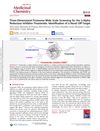
April 2021 in “Journal of Medicinal Chemistry” This study suggests that finasteride may inhibit the enzyme PNMT, potentially contributing to its sexual and psychological side effects.
30 citations
,
June 2000 in “Journal of dermatological science” In this study, researchers found that keratinocytes are unlikely to be target cells for androgen, as shown by limited androgen receptor transcriptional activity in keratinocyte cells.
3 citations
,
October 1993 in “Endocrinology” In this study, finasteride inhibited progesterone synthesis in mouse-derived MA-10 Leydig tumor cells by blocking cholesterol side-chain cleavage, but human and rat cells showed minimal sensitivity.
 April 2023 in “Journal of Investigative Dermatology”
 This study found that the dermal sheath smooth muscle regulates hair follicle progenitor cell death during hair regression through mechanical signaling of the TGF-β pathway.
 March 2025 in “The FASEB Journal”
 In this study on mice, intensive stress through methods like resiniferatoxin injections and physical restraint was found to inhibit hair follicle growth, with the mechanism involving the sympathetic nervous system and the cAMP signaling pathway in hair follicle stem cells.