 128 citations
,
August 2015 in “Cell Stem Cell”
128 citations
,
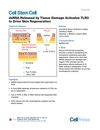
August 2015 in “Cell Stem Cell” The researchers reported that dsRNA from damaged skin activates TLR3, promoting hair follicle regeneration, while TLR3-deficient animals fail to initiate this process, suggesting potential therapeutic approaches for hair neogenesis.
July 2024 in “Journal of Investigative Dermatology” CD8+ T cells attack hair follicle stem cells, causing scarring and hair loss in Discoid Lupus.
 47 citations
,
June 2019 in “Nature Communications”
47 citations
,
June 2019 in “Nature Communications” This study found that self-noncoding dsRNA activates TLR3 to stimulate intrinsic retinoic acid synthesis, promoting new hair follicle formation in wounded mice and showing similar gene expression changes in humans treated with rejuvenation lasers.
7 citations
,
February 2011 in “Journal of dermatology” This study identified a specific LIPH gene mutation (736T>A) as common in Japanese patients with autosomal recessive woolly hair/hypotrichosis, potentially indicating its role in the condition's manifestation within this population.
April 2017 in “The journal of investigative dermatology/Journal of investigative dermatology” This study found that TLR3-mediated damage sensing can stimulate prostaglandin and Wnt pathways, potentially coordinating hair follicle regeneration in mice with large skin wounds.
In this study, researchers identified IL18R+ thymus-resident regulatory T cells in mice, demonstrating their unique molecular features and resistance to age- and stress-induced thymus involution, highlighting IL18 signaling's role in Treg migration and retention.
 1 citations
,
June 2021 in “bioRxiv (Cold Spring Harbor Laboratory)”
1 citations
,
June 2021 in “bioRxiv (Cold Spring Harbor Laboratory)” This study found that in wild-type Arabidopsis plants, root hair growth is suppressed with increased nutrient availability, with RHD6 subfamily genes down-regulated and GTL1 and DF1 genes influencing root hair morphology under these conditions.
 5 citations
,
March 2019 in “Experimental dermatology”
5 citations
,
March 2019 in “Experimental dermatology” In this study involving adult mice, the researchers identified that double-stranded RNA-mediated activation of toll-like receptor 3 stimulates wound-induced hair neogenesis, potentially reflecting mechanisms used in facial rejuvenation treatments.
 January 2024 in “Genetics in Medicine Open”
 In this report, two adult patients with Tatton-Brown-Rahman syndrome exhibited new cardiac features, such as atrial fibrillation and ventricular and atrial dilatation, highlighting the importance of cardiovascular follow-up in adults with this condition.
 April 2018 in “The journal of investigative dermatology/Journal of investigative dermatology”
 This study identified a novel mechanism by which dsRNA-induced TLR3 activation and retinoic acid pathways contribute to new hair follicle formation after deep wounds in mice and suggested a similar potential in humans.
This study found that IL18 signaling plays a crucial role in the homing and retention of mature regulatory T cells in the mouse thymus, primarily by upregulating the chemokine receptor CCR6.
35 citations
,
August 2006 in “Molecular genetics and metabolism” This study found significant variation in tissue mutant load in individuals with the T8993G mutation, which complicates genetic counseling and may inform genotype-phenotype correlations, especially using hair bulb mtDNA analysis.
 April 2019 in “Journal of Investigative Dermatology”
 This study identifies a mechanism where dsRNA activates TLR3 to induce RA production, promoting hair follicle regeneration in mice and suggesting a potential role in human tissue regeneration.
July 2025 in “Clinical Case Reports” In this case report, a 17-year-old male with a specific TRPS1 gene mutation presented with sparse, soft hair, short thumbs and toes, misaligned teeth, and distinctive bone abnormalities in the fingers and toes as observed through X-ray analysis.
 45 citations
,
January 2010 in “Journal of Veterinary Medical Science”
45 citations
,
January 2010 in “Journal of Veterinary Medical Science” This study identified a mutation in the keratin 71 gene that causes curly hair in certain rats, advancing our understanding of hair formation.
 November 2023 in “Food science of animal resources”
 This study found that in mice, oral administration of Lactilactobacillus curvatus LB-P9 accelerated hair regrowth and increased hair thickness, hair follicle numbers, and dermal thickness, likely by boosting hair growth factor production and dermal papilla proliferation.
July 2025 in “Journal of Investigative Dermatology”  1 citations
,
January 2024 in “Nature communications”
1 citations
,
January 2024 in “Nature communications” This study found that stimulating toll-like receptor 5 via mucosal delivery of a flagellin-containing fusion protein effectively extended lifespan and enhanced healthspan in mice, including improved bone density and cognitive capacity.
5 citations
,
June 2015 in “The Journal of Dermatology” This study identified "HTLV-1-associated lichenoid dermatitis" as a skin condition in HTLV-1-infected individuals, characterized by reactive eruptions associated with increased immunity toward infected CD4+ T cells.
A new mutation in the TRPS1 gene caused Trichorhinophalangeal syndrome in a 17-year-old, highlighting the need for genetic testing.
24 citations
,
March 2016 in “Journal of Investigative Dermatology” This study suggests that TIP39 and its receptor PTH2R, identified in human epidermis, may play a role in keratinocyte function and influence skin differentiation.
 7 citations
,
June 2010 in “Journal of The American Academy of Dermatology”
7 citations
,
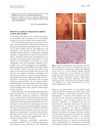
June 2010 in “Journal of The American Academy of Dermatology” This paper reports a single case of lichenoid cutaneous sarcoidosis that was unresponsive to standard treatments but showed marked improvement with the administration of oral tranilast.
48 citations
,
September 2020 in “Frontiers in Immunology” In this study, researchers found that loss of OGG1 in a mouse model of systemic lupus erythematosus increased IFN-driven immune responses and aggravated skin lesions, suggesting a protective role for OGG1 in SLE skin disease.
18 citations
,
October 2022 in “Biomedicines” This review presents clinical and preclinical evidence supporting innovative regenerative approaches to treat vitiligo, as existing treatments lack a specific cure and predictable long-term repigmentation outcomes.
May 2010 in “OPAL (Open@LaTrobe) (La Trobe University)” This research discusses potential cancer vaccine strategies using cell-based and DNA vector-based approaches, and suggests targeting the v3 splice variant of thioredoxin reductase 1 to inhibit cancer cell motility and metastasis formation.
July 2026 in “Theranostics” This study developed a novel ferritin-based delivery system (LR@Fn) that effectively co-delivers RG108 and LLY283 for hearing loss treatment in animal models, reducing hair cell loss and synaptic damage more effectively than dexamethasone.
21 citations
,
May 2014 in “Toxicological Sciences” This study found that skin exposure to toluene diisocyanate in mice creates immune-recognition reservoirs in the skin's stratum corneum and hair follicles, potentially leading to sensitization and allergic reactions.
July 2017 in “OPAL (Open@LaTrobe) (La Trobe University)” In this study, researchers investigated the role of the ATX-LPA axis in asthma pathogenesis using human and mouse models and highlighted the potential for developing new ATX inhibitors as effective asthma treatments.
45 citations
,
February 2011 in “IOP Conference Series Materials Science and Engineering” This study developed a sensor that effectively measures Tl+ cation in solutions with a wide dynamic range and low detection limit, responding linearly within the concentration range 1.0 × 10⁻⁸ to 1.0 × 10⁻¹M.
 5 citations
,
January 2018
5 citations
,
January 2018 This study optimized a screening assay to identify molecules that inhibit or enhance TRPM5 ion channel activity, which may have implications for treating dysfunctions linked to cardiac arrhythmias and diabetes.