 January 2018 in “Springer eBooks”
 Different races and genders have unique skin and hair issues, requiring specialized care and more research for effective treatment.
Tailored nonsurgical cosmetic procedures are crucial for safely treating diverse skin types, especially skin of color.
 January 2018 in “Stem cell biology and regenerative medicine”
 This review discusses how the nuclear lamina integrates biochemical and mechanical signals to influence gene expression and skin homeostasis, but reports no new clinical results.
 October 2017 in “Anesthesia and Pain Medicine”
 This report observed that repeated stellate ganglion blocks over six years were associated with improved skin elasticity, increased water content, and more hair follicles on the treated side of a patient's face.

This article discusses conventional and alternative treatments for hair loss but presents no new findings, highlighting concerns about the unknown long-term effects of approved drugs.
 April 2017 in “Journal of Pharmaceutical Investigation”
 In this study, the administration of indole-based compounds, particularly L-Tryptophan and Tryptophol, to a PCOS-induced rat model resulted in an increased number of healthy ovarian follicles and a reduction in ovarian cysts compared to untreated rats, suggesting potential therapeutic efficacy.
 April 2017 in “Journal of Investigative Dermatology”
 In this study, researchers demonstrated that the Id2 gene acts as a direct target and effector of BMP signaling, playing a key role in maintaining quiescence in hair follicle stem cells in vivo.
 April 2017 in “Journal of Investigative Dermatology”
 In this study, bovine milk-derived oligosaccharides were found to increase sebocyte proliferation, lipid content, and inflammatory mediator synthesis through the mTORC1 pathway, potentially contributing to milk-based inflammation in sebocytes.
 April 2017 in “Journal of Investigative Dermatology”
 This study found that a single dose of TRP significantly reduced the number of UV-B-induced actinic keratosis lesions in a mouse model and was associated with improved skin histology and minimal side effects.
 April 2017 in “Journal of Investigative Dermatology”
 This study observed that a 3D culture model of hair follicle cells showed an anagen-like phase between days 3 to 6 and transitioned to a catagen-like phase by day 7, highlighting cell differentiation and structural development over time.
 April 2017 in “Journal of Investigative Dermatology”
 This case study reports that a heterozygous missense GJA1 mutation, p.Gly138Ser, in a 2-year-old boy with oculodentodigital syndrome primarily resulted in syndactyly, fifth finger hypoplasia, and hypotrichosis, without neurological or craniofacial abnormalities.
 March 2017 in “Trichology and cosmetology:”
 Cosmetic procedures can improve skin appearance and boost confidence.
 April 2016 in “Journal of the American Academy of Dermatology”
 Dermoscopy helped correctly diagnose a skin condition that was previously misidentified as a different hair loss disease.
 April 2016 in “Journal of The American Academy of Dermatology”
 Ixekizumab is effective and safe for patients who did not improve with etanercept treatment for psoriasis.
 April 2016 in “Journal of The American Academy of Dermatology”
 Lichen planus may be associated with a higher risk of metabolic syndrome.
 January 2016 in “Springer eBooks”
 This review discusses medications used in dermatology, detailing their side effects and interactions, and reports no new clinical results.
 October 2015 in “Cosmetic Dermatology”
 This review examines the science and technology behind temporary and permanent hair straightening, discussing the processes, potential advancements, and considerations for reducing adverse effects, but does not report new research findings.
 October 2015 in “Elsevier eBooks”
 Spironolactone can cause side effects like high potassium levels and breast enlargement, and patients need careful monitoring.

This chapter reviews the uses and evidence for saw palmetto in treating lower urinary tract symptoms in men with benign prostate hyperplasia, but finds no strong support for its effect on hair loss.
 January 2015 in “Independent Nurse”
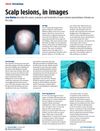
 Different scalp conditions can lead to hair loss or tumors, with treatments varying from creams to surgery; early detection is crucial.
 January 2015 in “Springer eBooks”
 Hair damage shows as fragility, dullness, and discoloration, varies by ethnicity, and is worsened by cosmetic procedures and diseases.
 September 2014 in “Aktuelle Dermatologie”
 This symposium review highlights past, present, and future developments in skin research, celebrating the work of Prof. Johanna Brandner and Dr. Peter Arne Gerber, without reporting new clinical results.
 July 2014 in “Elsevier eBooks”
 The document concludes that various hypersensitivity diseases in horses can be diagnosed and treated with methods like immunotherapy and medication, and early aggressive treatment is crucial for severe diseases like equine cutaneous pythiosis.
 April 2013 in “Developmental Cell”
 This study found that the chromatin remodeler Brg1 plays a crucial role in hair follicle maintenance and epidermal repair by regulating the Shh signaling pathway and forming a positive feedback loop.
This article provides no abstract or new findings and focuses on a patient registry related to spasticity care.
 July 2011 in “Microscopy and microanalysis”
 Human hair's structure makes it tough and resistant to breaking.
 February 2011 in “Journal of Intellectual Property Law & Practice”
 This article reviews the conflicting approaches to patentability of dosage regimen inventions under Chinese law and reports no resolution on which position Chinese courts will adopt.
 January 2011 in “Healthcare Informatics Research”
 This study found that symptoms like dry hair, seborrheic scalps, and certain lifestyle factors correlate with hair loss in patients at hair loss clinics.
 October 2010 in “Epilepsy Currents”
 This study found that inhibitory neurosteroids synthesized within glial cells can reduce seizure frequency in epileptic animals by enhancing inhibitory transmission via γ-aminobutyric acid receptors.
 March 2010 in “Cosmetic Dermatology”
 Hair straightening methods have advanced to improve effectiveness and reduce damage, but still rely on heat and chemicals.